12 Interesting Facts About Sumba Island You Should Know Before Visiting
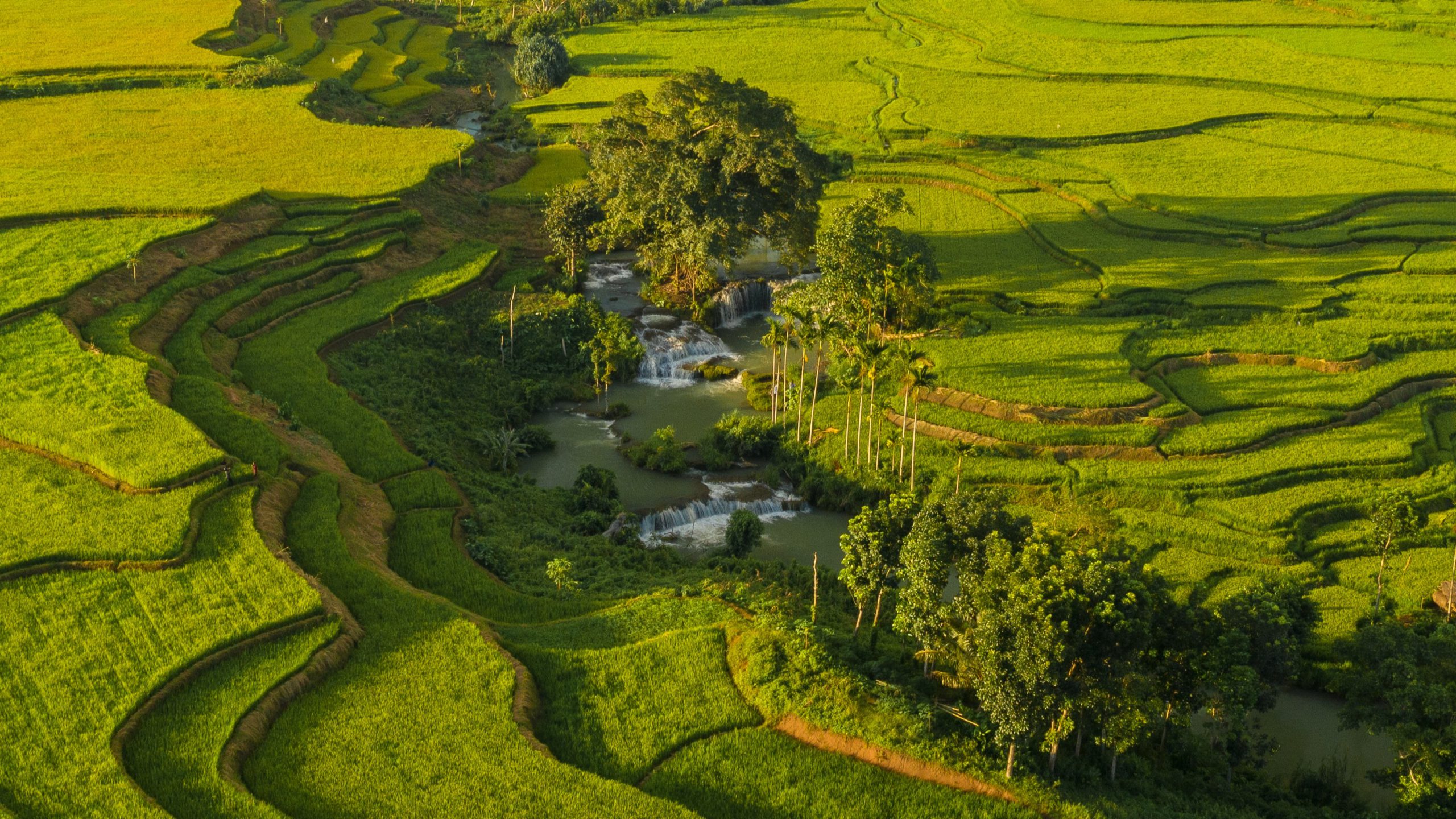
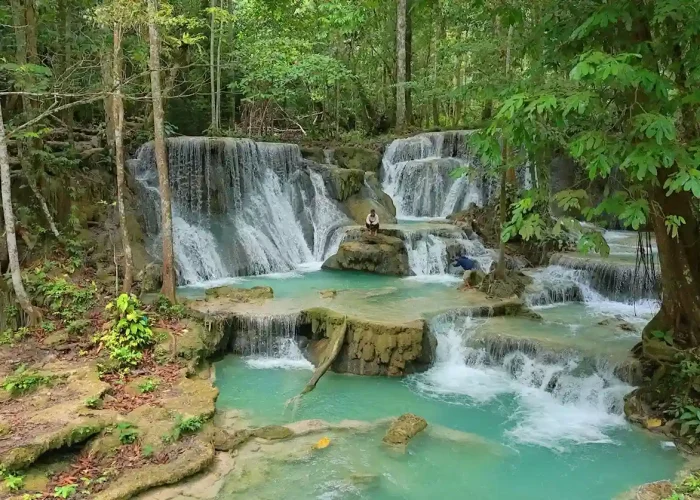
Weekacura Waterfall | Waterfalls in Indonesia | Sumba Tour | IndonesiaJuara Trip
Have you ever wondered why Sumba Island has been showing up more and more on the bucket lists of travelers around the world? Compared to Bali or Labuan Bajo, Sumba is still considered a quieter destination and not yet fully mainstream. But that is exactly where its charm lies. The island offers a combination of exotic landscapes, authentic culture, and a peaceful atmosphere that makes many people feel their travel experience becomes much more meaningful and different.
Interestingly, many people come to Sumba not only to see its beautiful beaches or savannah landscapes, but also because they are curious about the many unique facts about Sumba that make this island feel so distinctive. In this article, you will discover various interesting facts about Sumba Island that make this destination even more loved by both local and international travelers.
Table of Contents
Key Takeaways
- Sumba Island is increasingly being recognized globally as a world-class travel destination, not only because of its savannah landscapes and beaches, but also because of the Marapu culture, traditional villages, and a slow travel experience that remains highly authentic compared to other destinations in Indonesia such as Bali or Labuan Bajo.
- The uniqueness of Sumba’s nature can be seen in its combination of African-like savannahs, exotic waterfalls, private and untouched beaches, and Weekuri Lagoon, which is a rare natural saltwater lagoon phenomenon that is difficult to find elsewhere in Indonesia or even in Southeast Asia.
- Sumba’s cultural strength is deeply alive in traditions such as Pasola, megalithic rituals, traditional houses, as well as the role of Sumbanese horses and ikat weaving, all of which are preserved across generations as part of the local community’s social and spiritual identity.
- Almost every experience in Sumba is interconnected, where nature, culture, and daily life are closely woven together. This makes every journey feel more immersive and story driven, rather than just a typical sightseeing trip.
Interesting Facts About Sumba Island
Sumba Island has many unique characteristics that make it stand out from other tourist destinations in Indonesia. The island not only offers beautiful scenery, but also a travel experience that feels more personal, exclusive, and full of stories in every place you visit.
Here are some interesting facts about Sumba Island that make more and more travelers curious to visit it:
1. Sumba is Listed Among the 18 Destinations Worth Visiting in 2026 by Tatler Travel
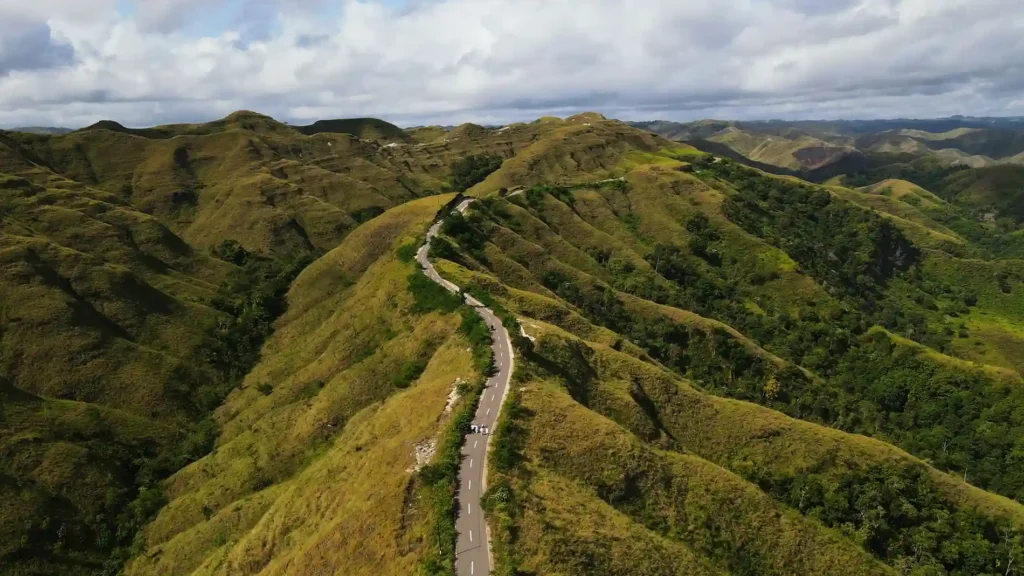
One interesting fact about Sumba Island that strengthens its position on the global tourism map is its inclusion in the list of destinations recommended to visit in 2026 by Tatler Travel. This recognition of Sumba as a destination worth visiting in 2026 from an international travel media outlet like this is not just “branding,” but is usually based on a combination of factors such as cultural uniqueness, destination sustainability, and authentic travel experiences.
In the context of Sumba, this is very relevant because the island still maintains its original character without too much commercialization. International travelers see Sumba as a destination that offers an “untouched luxury” experience, where nature and culture still exist side by side. This is also what makes Sumba increasingly noticed by the high-end travel market and the global slow travel segment.
2. Sumba Savannah is Often Said to Resemble Africa
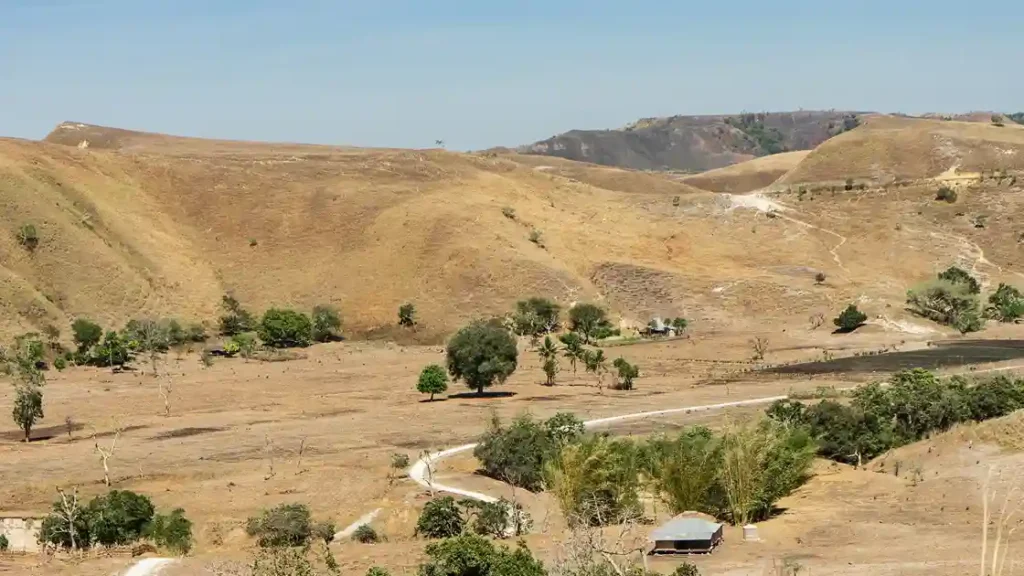
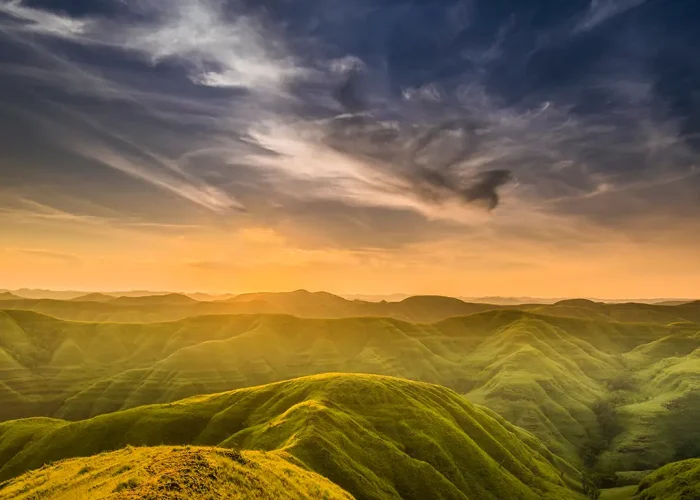
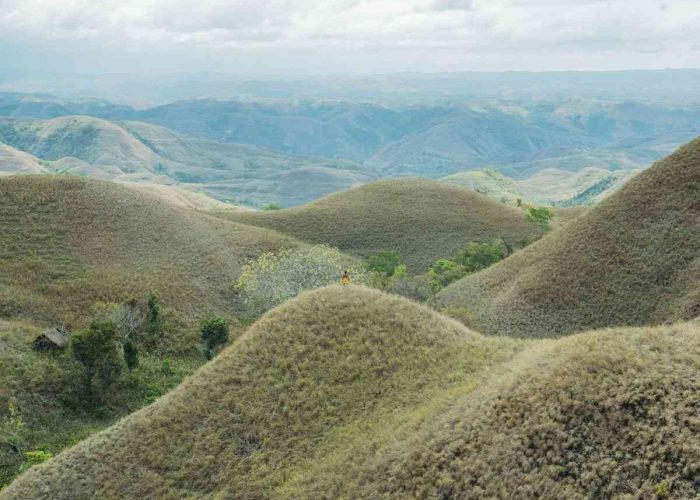
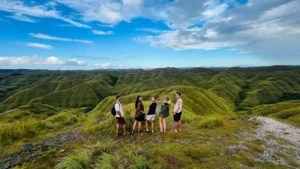
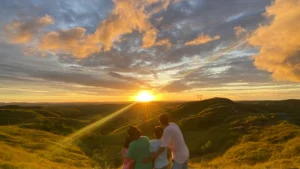
Another interesting fact about Sumba Island that is frequently talked about is its vast and dramatic savannah landscape that resembles Africa. During the dry season, parts of Sumba turn into stretches of golden hills that make many people feel like they are in East Africa. Landscapes like this are quite rare in Indonesia, which makes them a major attraction for both travelers and international photographers.
Some of the most famous savannah spots in Sumba include:
- Warinding Hill with its beautiful rolling hill contours during golden hour
- The savannah area around Waikabubak, which is often passed during road trips
- The hills in East Sumba with lontar palm trees and wide open skies
- Travel routes leading to traditional villages that offer classic Sumba scenery
3. Traditional Villages in Sumba Still Preserve Their Original Traditions
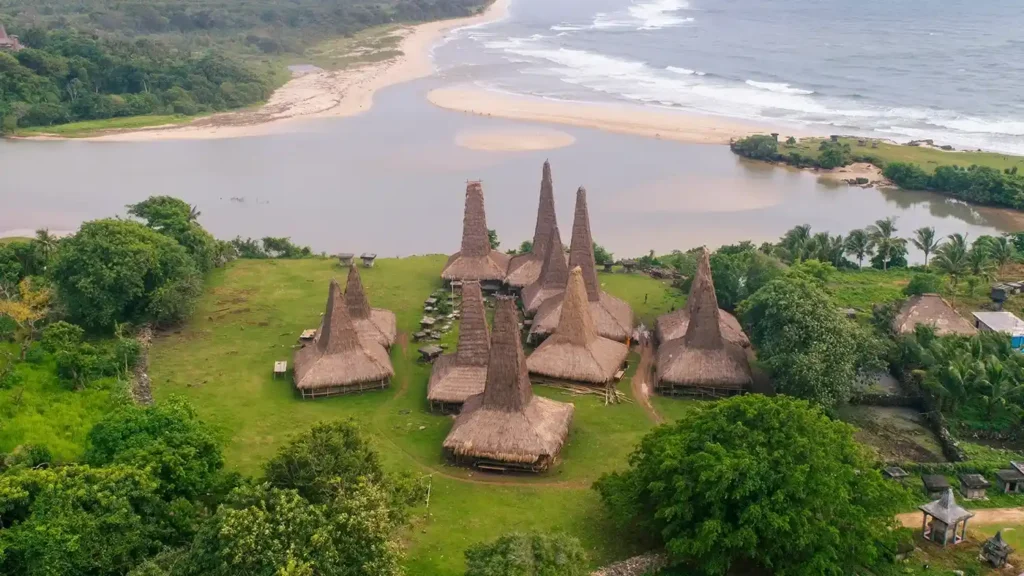
An interesting fact about Sumba Island that shows the strong identity of its local culture is the existence of traditional villages that are still actively inhabited today. Unlike “tourist village replicas,” traditional villages in Sumba are real settlements where people still live and carry out ancestral traditions in their daily lives.
Some of the most well known traditional villages in Sumba:
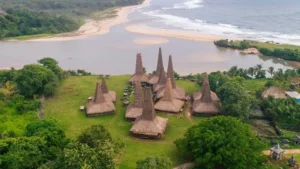
- Ratenggaro Village: famous for its tall traditional houses and coastal location
- Praijing Village: has a neatly arranged village layout in the hill area
- Tarung Village: one of the cultural centers in Waikabubak
- Traditional villages in Southwest Sumba that are still actively used for traditional rituals
In these villages, you can directly observe activities such as weaving, family rituals, and traditional social structures that are still maintained based on lineage and customary law.
4. The Pasola Tradition has Existed for Hundreds of Years
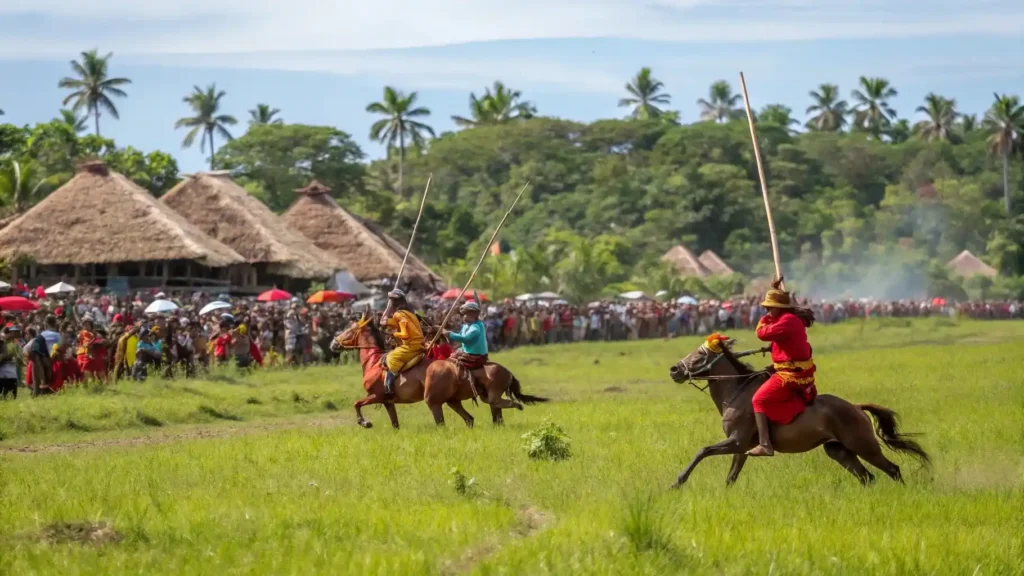
The Pasola tradition is one of the most fascinating facts about Sumba Island and has attracted global attention. This tradition is a ritual involving a symbolic “war” using wooden spears while riding horses, performed by two groups from different villages. Culturally, however, Pasola is not just a performance but part of the Marapu belief system related to the planting season.
Pasola usually takes place in West Sumba areas such as Kodi and Lamboya, following an ancestral calendar determined by traditional leaders called Rato. Interestingly, the timing is not fixed every year because it depends on natural signs and traditional calculations. Beyond its spiritual value, Pasola also symbolizes the balance between humans, nature, and ancestors. This is why the tradition is still strictly preserved until today.
Read more: Pasola Tradition in Sumba: A Meaningful and Fascinating Cultural War
5. Megalithic Burial Rituals Can Still be Found in Sumba
Despite modernization, Sumba still preserves its distinctive megalithic burial traditions, which is another interesting fact about the island. This system uses large stones as family burial markers, usually placed in traditional village areas. The process is not simple. In some cases, large stones are moved collectively by the community using traditional methods without heavy machinery. This reflects the strong sense of community in Sumbanese culture. You can still find these stone tomb structures in many traditional villages, and each stone often carries social meaning related to family status and ancestral history.
6. The Marapu Belief System is Still Preserved Today
Another unique fact about Sumba is the Marapu belief system, an ancestral spiritual tradition that is still practiced today. This belief is not only spiritual but also influences social structure, architecture, and daily life. In Marapu, balance between humans, nature, and ancestral spirits is the main principle. Because of this, many rituals are performed to maintain harmony, including in marriage, death ceremonies, and harvest celebrations. The uniqueness of Marapu lies in its ability to exist alongside modern development without losing its original identity.
7. Sumbanese Horses Play an Important Role in Daily Life
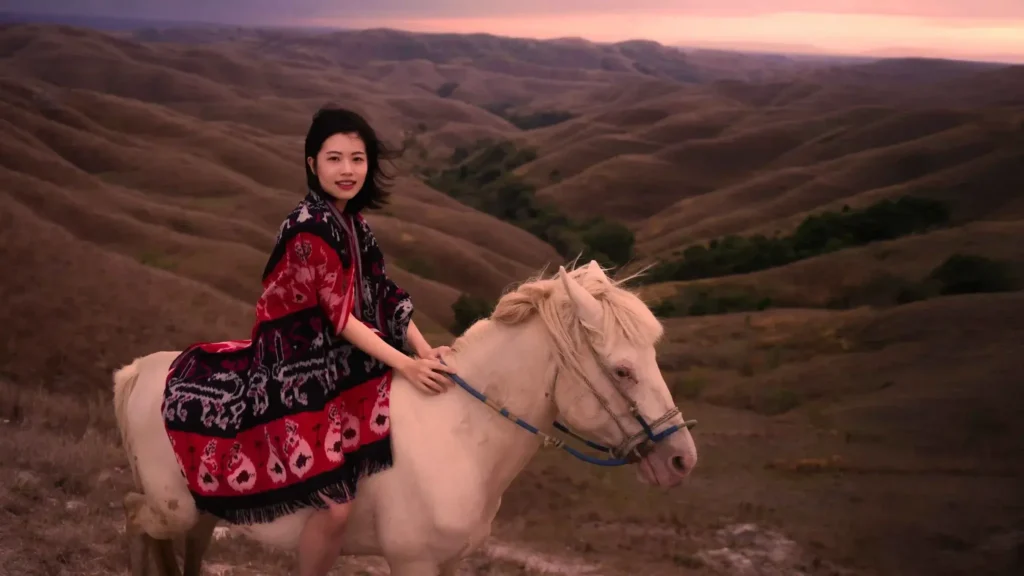
One of the unique aspects of Sumba Island is the deep role of horses in local life. In Sumba, horses are not just livestock but an important cultural identity symbol, often associated with social status and family honor. In rural areas, horses are still used as a primary mode of transportation. The island’s geography, dominated by savannahs and hills, makes horses remain highly relevant and naturally integrated into daily life.
The importance of Sumbanese horses is also clearly visible in the Pasola tradition, where horse riding skills are a central element of the ritual. This shows that the relationship between humans, horses, and culture in Sumba is not only functional but also deeply meaningful socially and spiritually.
8. Sumba Ikat Weaving Carries Deep Philosophy
Sumba ikat weaving is one of Indonesia’s cultural heritages that is created entirely through traditional processes and rich in philosophical meaning. Each motif is not just decoration but represents values of life, nature, and local beliefs.
The making process involves several traditional stages:
- Natural dyeing using local plants such as roots and leaves
- Manual tying techniques to form patterns before weaving
- Weaving processes that can take weeks to months
- Passing down techniques from generation to generation within weaving families
Because of its long and detailed process, each Sumba woven cloth is considered a cultural artwork with high value.
9. Sumba Traditional Houses Have Iconic Roof Architecture
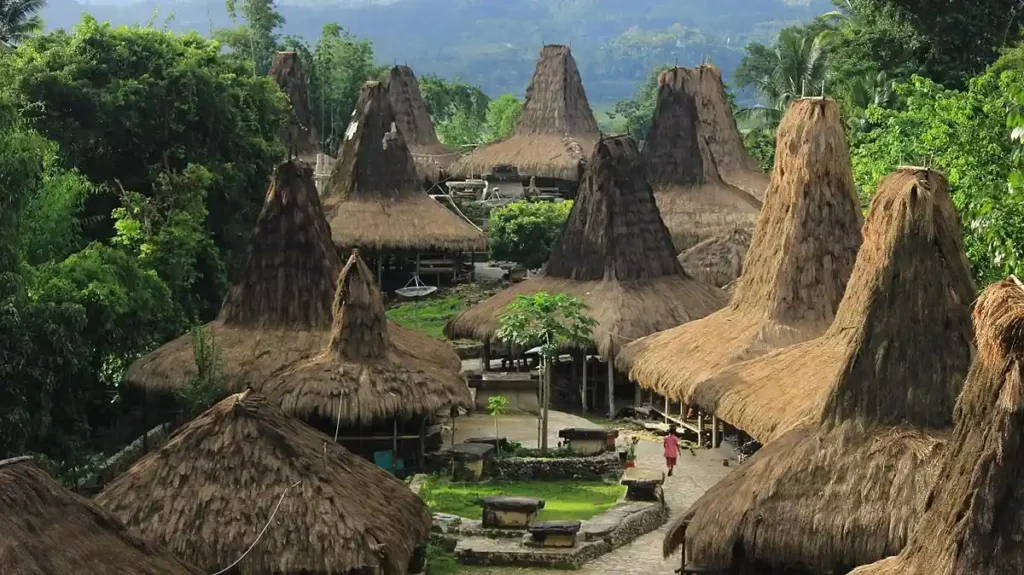
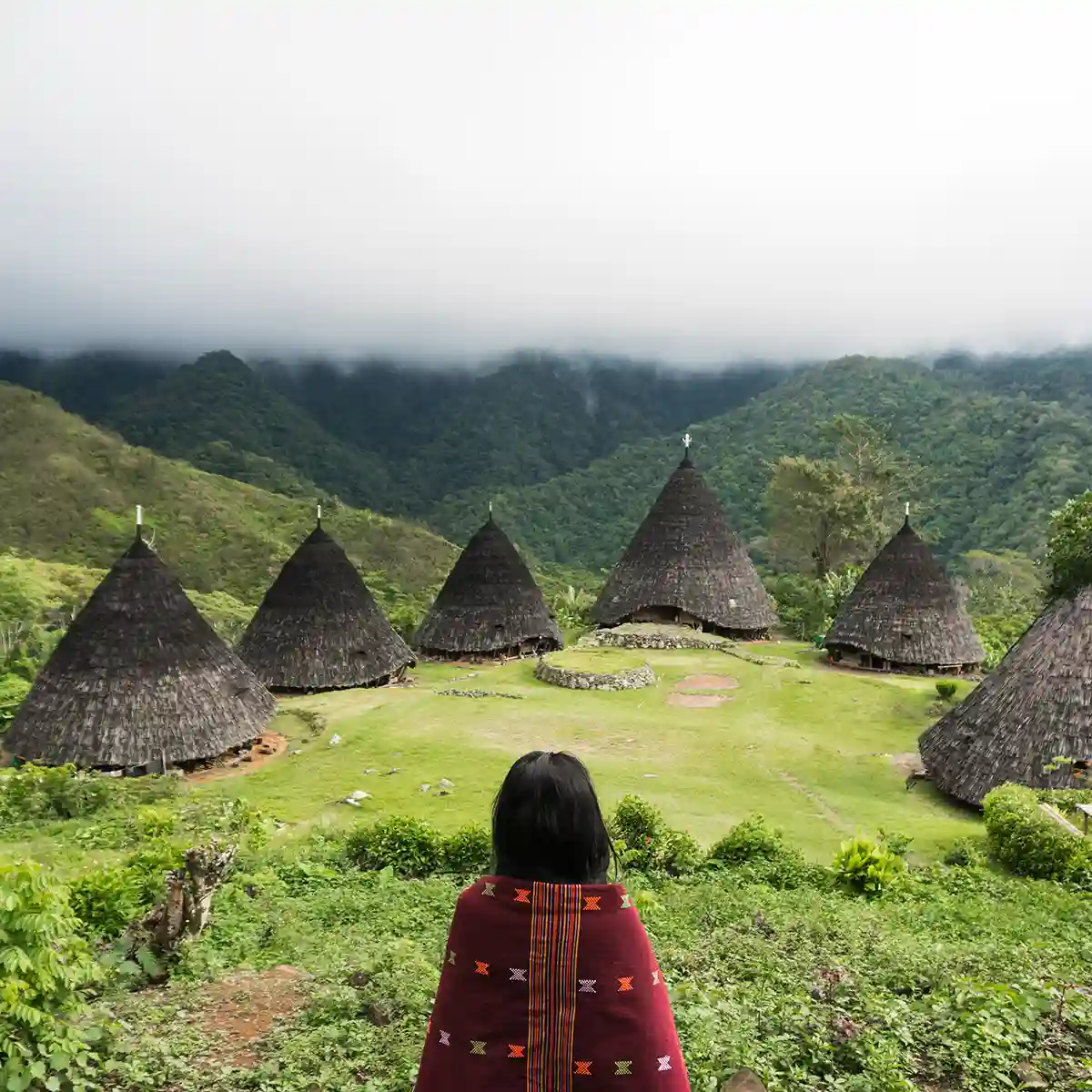
Traditional houses in Sumba are easily recognizable by their tall, towering roofs that resemble a spire, making them one of Indonesia’s most iconic architectural styles. These buildings are not only homes but also carry symbolic meanings related to social status and cultural values.
The upper part of the house is usually used to store sacred objects, family heirlooms, and harvest goods as a form of respect for ancestral traditions. The higher and more majestic the house, the stronger the symbol of honor and social standing of the owner within the community. This unique architecture makes traditional villages in Sumba visually striking and easily distinguishable from other regions in Indonesia.
10. Sumba Waterfalls have Unique Natural Characteristics
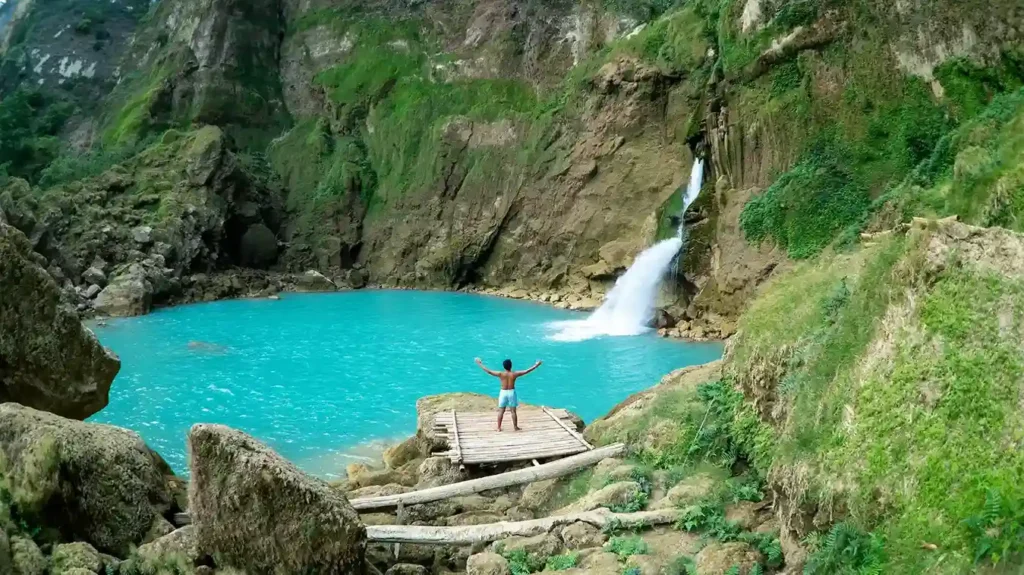
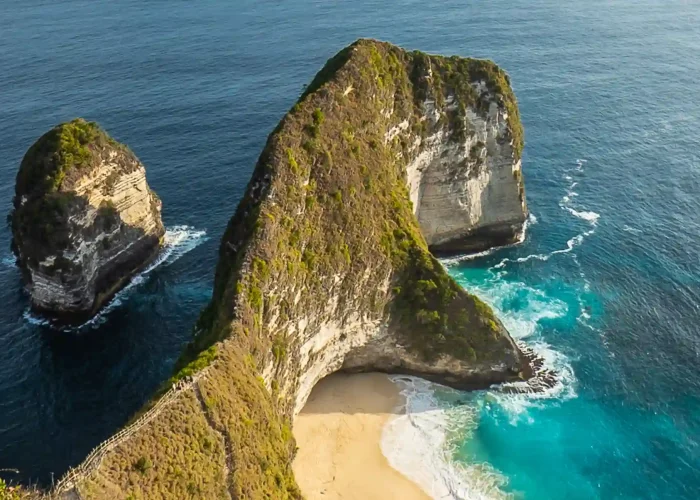
Besides savannahs and beaches, Sumba also has waterfalls with very diverse characteristics. Some are located in forests, while others are surrounded by limestone formations with unique shapes.
Popular waterfalls in Sumba include:
- Lapopu Waterfall, a multi tier waterfall often called the most iconic in Sumba
- Tanggedu Waterfall, featuring canyon like rock formations
- Waimarang Waterfall, known for its turquoise natural pool
Because access to some locations is still very natural, visiting waterfalls in Sumba feels like an adventure exploration.
11. Sumba Beaches Still Feel Very Private
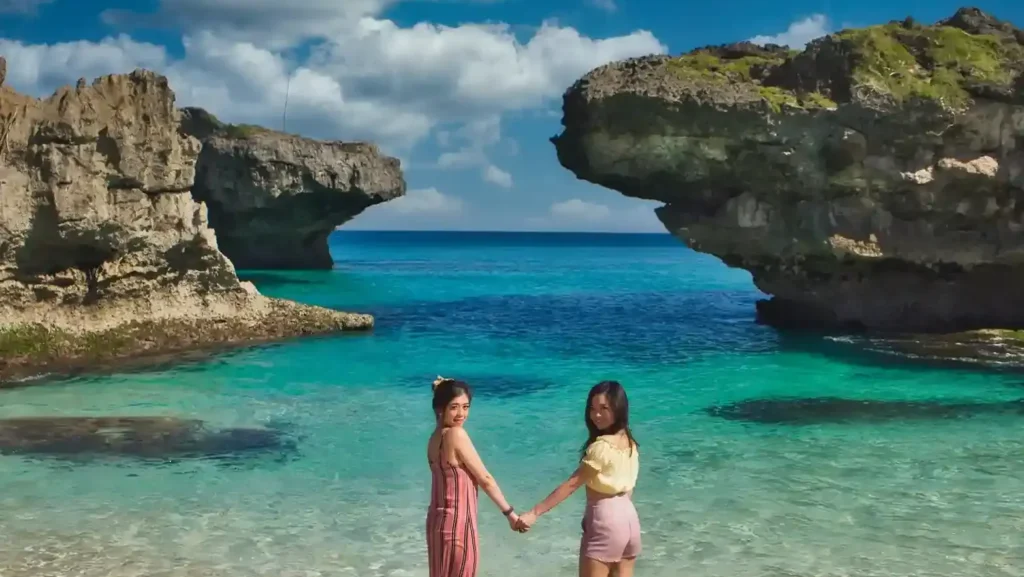
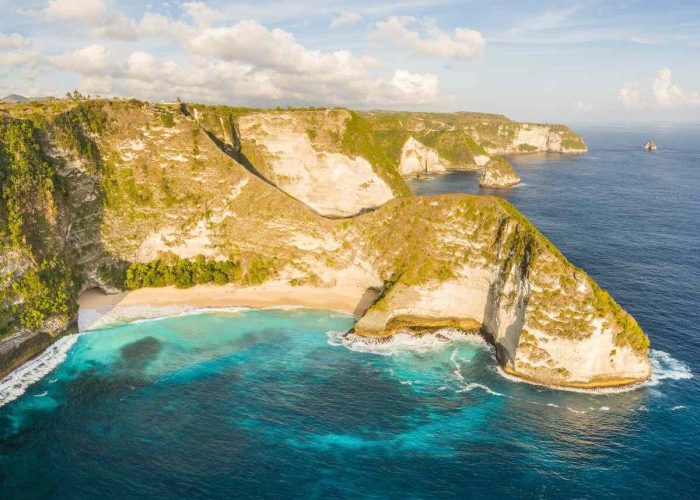
Beaches in Sumba are known for being calm, spacious, and not overly crowded with tourists. This makes the experience of enjoying the sea in Sumba feel more exclusive compared to more popular destinations.
Some of the best beaches in Sumba include:
- Mandorak Beach, a small lagoon surrounded by cliffs
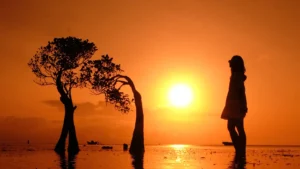
- Walakiri Beach, famous for its mangrove silhouettes at sunset
- Mbawana Beach, known for its iconic rock arch by the sea
- Pero Beach, perfect for a peaceful sunset experience
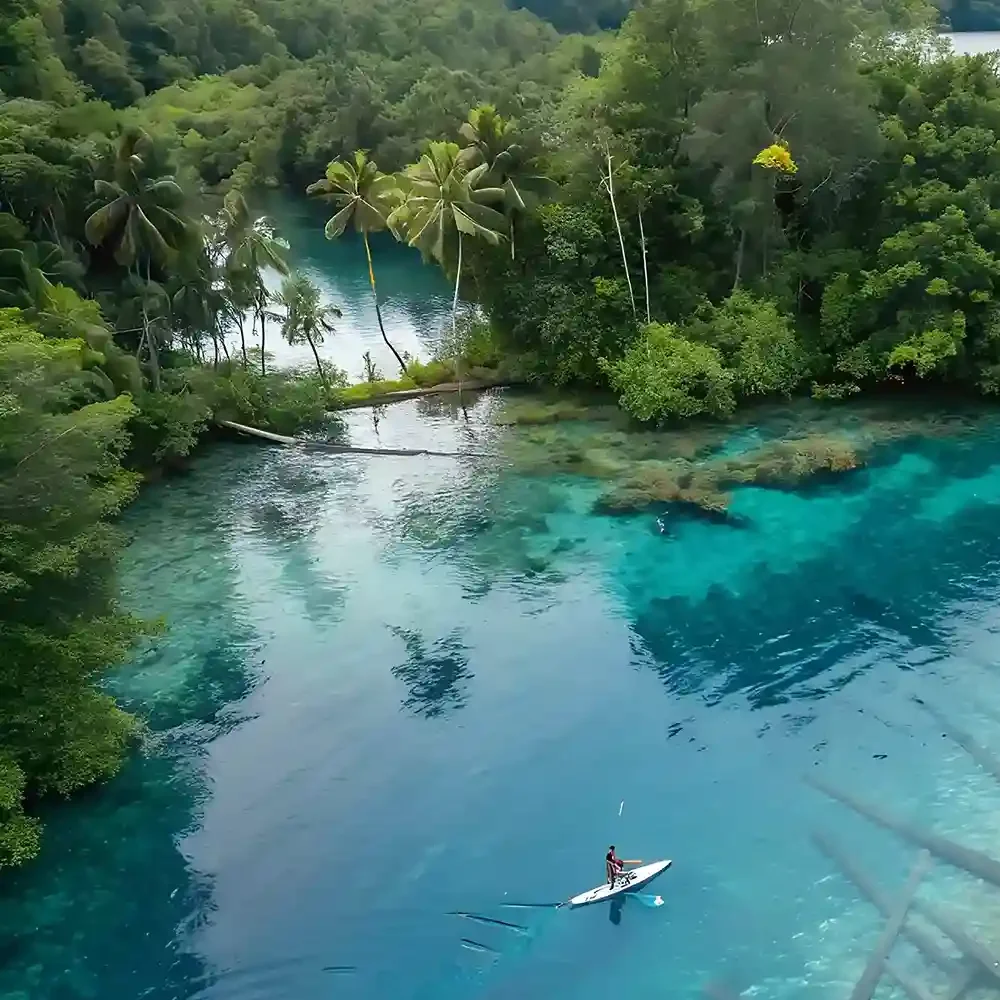
12. Weekuri Lagoon is a Rare Natural Saltwater Lagoon
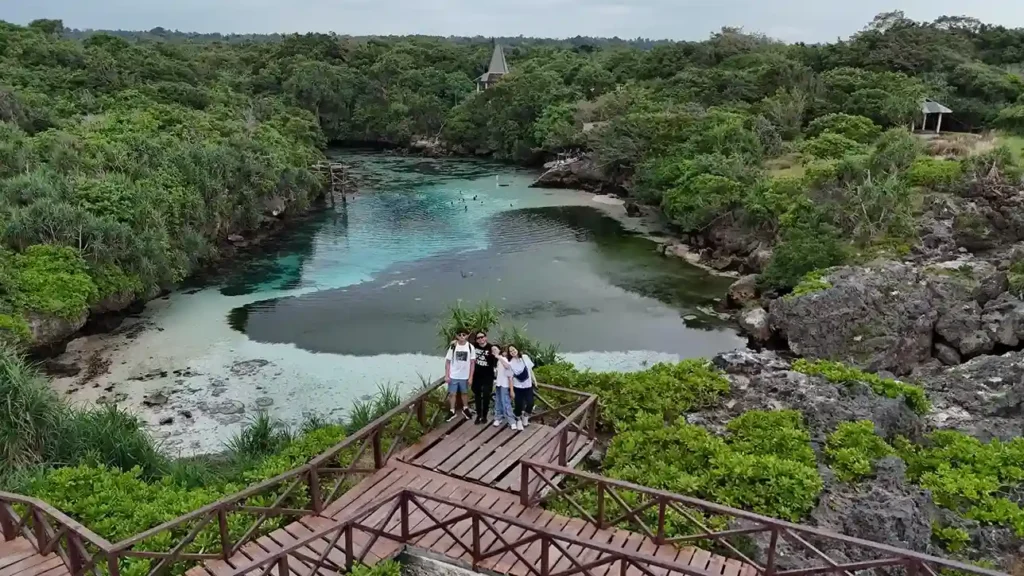
Weekuri Lagoon is one of the most unique natural phenomena in Sumba. This lagoon was formed by seawater entering through coral rock gaps, creating a natural pool with crystal clear turquoise water. Because it is protected from strong ocean waves, the water in Weekuri feels calm and safe for swimming. Many visitors also come just to enjoy the color gradients and peaceful surroundings. Besides swimming, Weekuri is also a popular sunset spot because of its open and dramatic views.
Read more: Complete Guide to a Exploring Sumba with IndonesiaJuara Trip
Explore the Interesting Facts of Sumba Island Directly with IndonesiaJuara Trip
From the various interesting facts about Sumba Island that you have just read, you can see that Sumba is not only about beautiful landscapes, but also about living culture, strongly preserved traditions, and truly authentic experiences in every corner of the island. From savannahs that stretch wide like Africa, traditional villages that are still inhabited by local communities, to the Pasola ritual that has been held for hundreds of years, everything creates a travel experience that feels completely different from other destinations in Indonesia.
And if you want to experience Sumba in a deeper and more hassle-free way, this is where IndonesiaJuara Trip can become your travel companion. Your journey will be accompanied by local guides who come directly from Sumba, so you are not just visiting as a tourist, but also getting the chance to understand the stories, culture, and meaning behind every place you visit. Contact our team now and book a Sumba tour with us to experience a more personal, authentic, and unforgettable journey in Sumba.