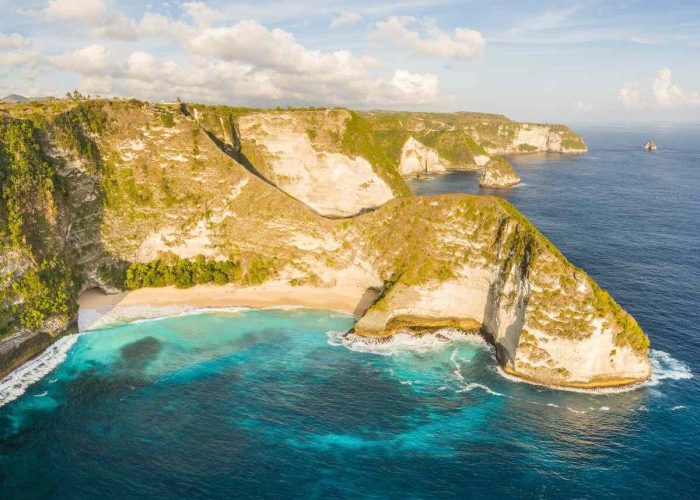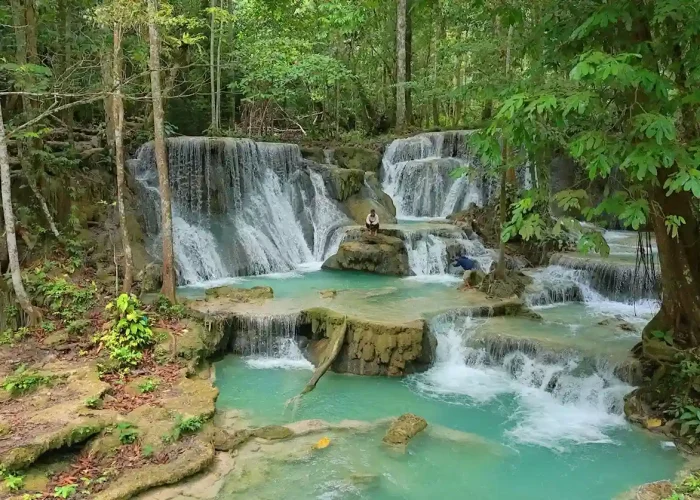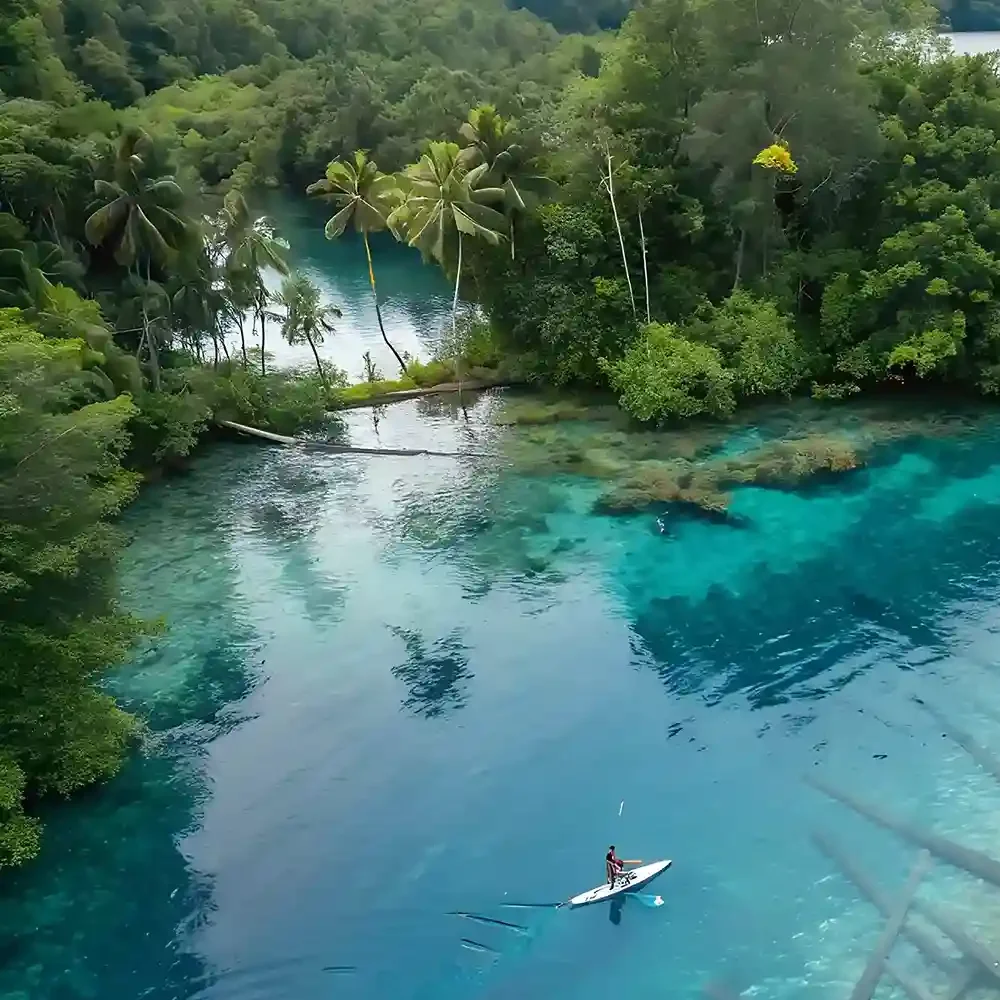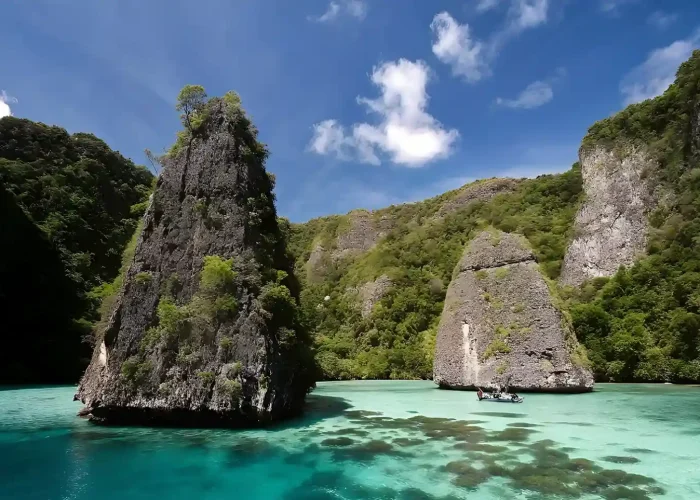
44 Tourist Destinations in Eastern Indonesia You Must Add to Your Itinerary
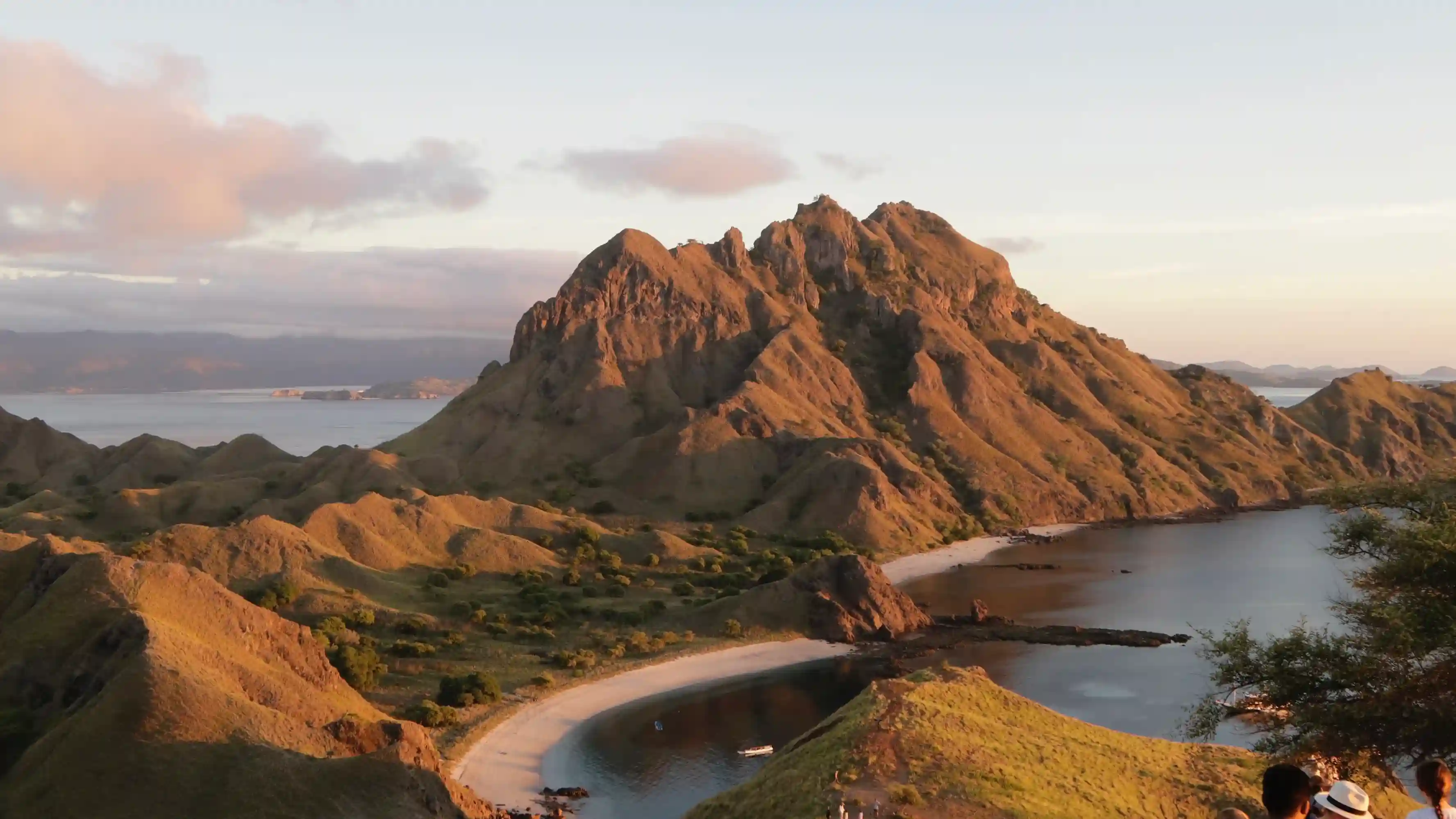
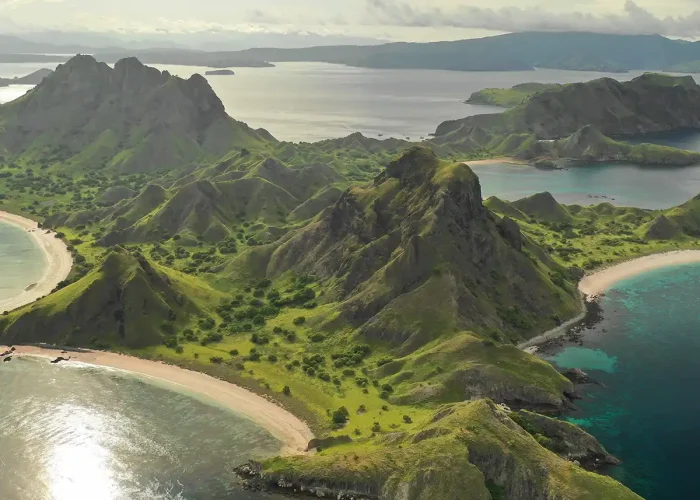
Padar Island Komodo | IndonesiaJuara Trip
Eastern Indonesia offers a different kind of travel experience in each region, from the islands and crystal-clear waters of Raja Ampat, the volcanic landscapes of Flores, and the savannas of Sumba to the rich underwater ecosystems of the Derawan Islands. With so many options available, which tourist destinations in Eastern Indonesia should you include in your travel plans?
This article covers 44 tourist destinations in Eastern Indonesia across several of these regions, including beaches, islands, lagoons, lakes, snorkeling spots, traditional villages, and wildlife habitats. Each destination offers different landscapes, activities, and travel experiences, allowing you to explore your options before deciding which places best suit your travel style.
Table of Contents
Key Takeaways
- Eastern Indonesia is not only about beaches. The region also offers marine tourism, trekking, wildlife encounters, traditional villages, savannas, and diverse landscapes.
- Labuan Bajo and Komodo National Park are ideal if you want to combine sailing, trekking, snorkeling, and Komodo dragon encounters in one trip.
- Raja Ampat offers a combination of karst landscapes, tourism villages, snorkeling, diving, and rich marine biodiversity.
- Sumba and Flores offer different experiences through savannas, hills, traditional villages, and local traditions.
- When visiting multiple destinations in Eastern Indonesia, transportation and itinerary planning are just as important as choosing where to go because some locations require boat trips, trekking, or a combination of both.
Natural Wonders and Geological Phenomena
Some tourist destinations in Eastern Indonesia are interesting not only because of their scenery, but also because of the natural processes that have shaped caves, lagoons, lakes, hills, and karst formations. Here are several destinations where you can experience unique landscapes and geological features across the region:
1. Rangko Cave, Labuan Bajo
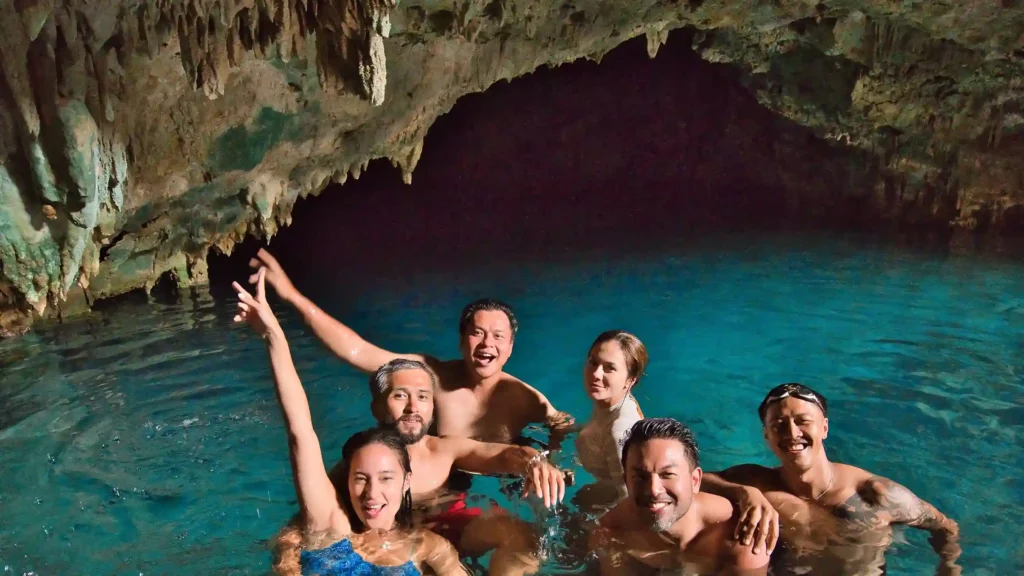
Rangko Cave is a limestone cave in the Labuan Bajo area with a natural saltwater pool inside. Its clear, bluish water is the main attraction, especially when sunlight enters through openings in the cave at certain times of the day.
To reach Rangko Cave, you need to take a boat to the Rangko area, followed by a land journey and a walk to the cave. Some of the things you can do here include:
- Swim in the natural pool with its clear saltwater.
- Enjoy the changing light inside the cave when conditions allow.
- Photograph the limestone formations and natural pool inside the cave.
- Bring a change of clothes if you plan to swim.
Because reaching the cave involves stairs and potentially slippery surfaces, pay attention to trail conditions and wear appropriate footwear.
2. Taka Makassar, Labuan Bajo
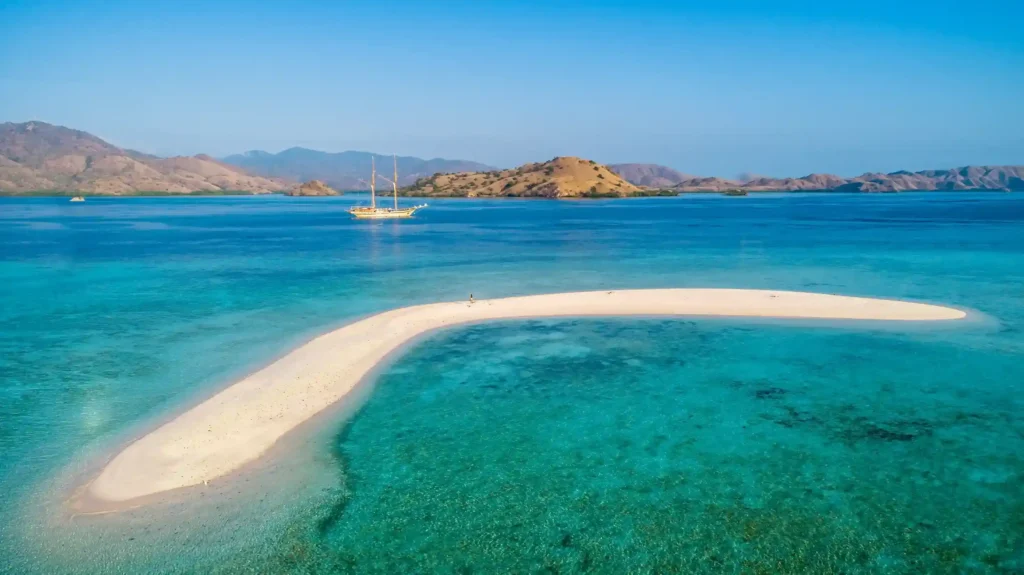
Taka Makassar is a small sandbar in the middle of the sea and one of the popular destinations on Labuan Bajo trips. The shape and size of its sandy land can change with the tides, so the experience may look different depending on when you visit.
Its main appeal lies in the combination of white sand, shallow water, and the surrounding sea. When sea conditions are favorable, you can:
- Stop at the sandbar and enjoy the open-sea surroundings.
- Swim or play in the water around the area where it is safe.
- Go snorkeling in the waters around Taka Makassar.
- Photograph the sandbar from above or from the boat.
Taka Makassar is usually part of an island-hopping or sailing trip around Komodo National Park, so you can combine your visit with several other destinations.
3. Padar Island, Labuan Bajo
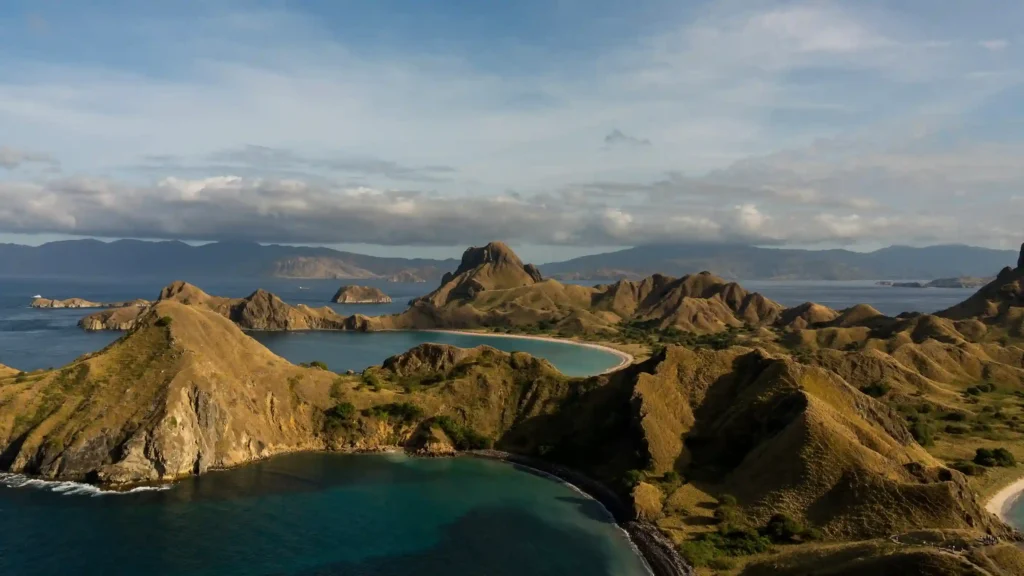
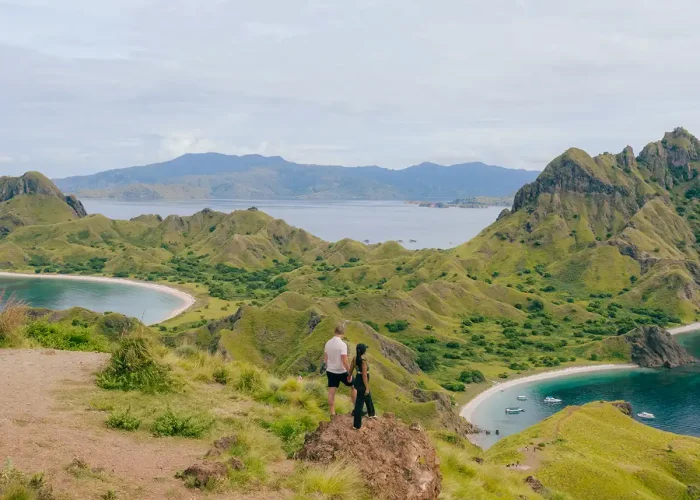
Padar Island is one of the iconic tourist destinations in Eastern Indonesia, known for its hills, coastlines, and bays that create the distinctive landscape of Komodo National Park. From the viewpoint on the hill, you can see several bays with different beach characteristics and shades of water. Padar Island is also part of Komodo National Park.
The main activity on Padar Island is trekking to the viewpoint. It is recommended that you:
- Wear comfortable footwear for the uphill trail.
- Bring drinking water because the trekking area is relatively exposed.
- Plan your visit according to the weather and heat conditions.
- Stay on designated trails and follow the instructions of park staff.
Padar Island is a suitable addition to your itinerary if you want to combine a relatively light trekking experience with island exploration in one trip.
4. Kelimutu Lake, Flores
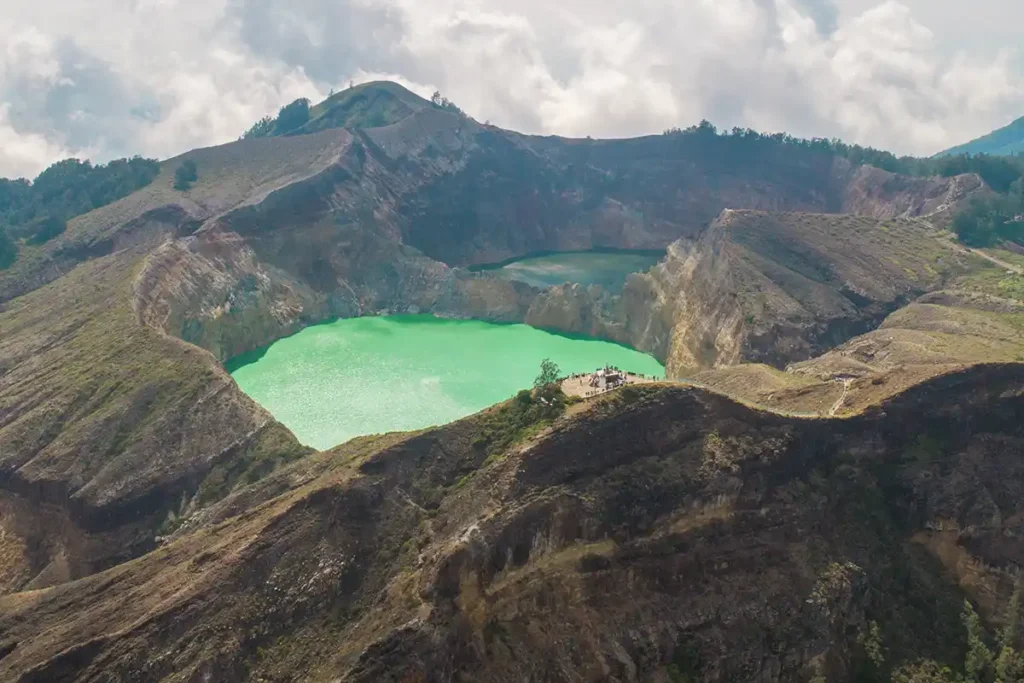
Kelimutu Lake consists of three crater lakes located within Kelimutu National Park in Flores, East Nusa Tenggara. The three lakes are part of the same volcanic area, but each has its own water color, which can change over time due to geochemical conditions within the lakes.
The Kelimutu experience is not only about viewing the lakes from a viewpoint, but also about experiencing the volcanic landscape of Flores. When visiting, you can:
- Enjoy views of the three crater lakes from the viewpoint area.
- Follow the available trekking paths.
- Experience how the atmosphere of the area changes depending on the weather.
- Combine the visit with cultural and nature-based experiences in Flores.
As the lakes are located within a conservation area, visitors need to follow national park regulations and help protect the environment around the lakes.
5. Cancar Spiderweb Rice Fields, Flores
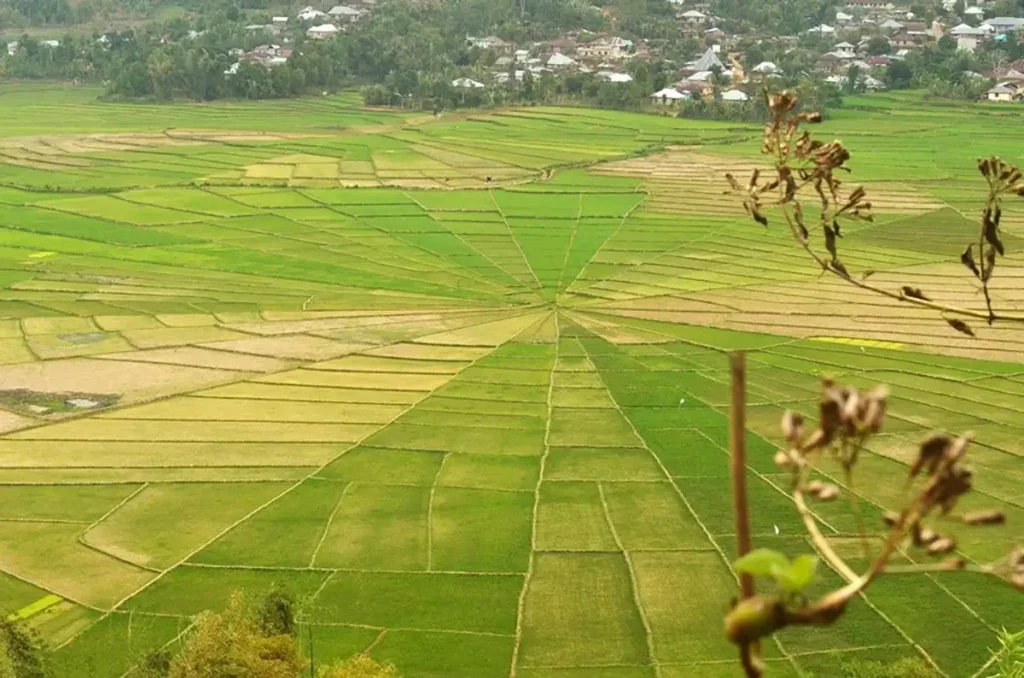
Cancar Rice Fields, or Lingko Lodok, in Manggarai feature a circular land pattern that resembles a spiderweb when viewed from a distance. This pattern is related to the traditional land distribution system of the Manggarai people, giving the destination both landscape and cultural significance.
From the viewpoint, you can see the rice field pattern from above as well as the surrounding rural landscape.
Things you can do include:
- Visit the Lingko Lodok viewpoint.
- Observe the rice field pattern from above.
- Photograph the landscape.
- Learn about the traditional Manggarai land distribution system through its local context.
This destination can be an interesting option when exploring Flores if you want to experience both the natural and cultural sides of Eastern Indonesia in one place.
6. Weekuri Lagoon, Sumba
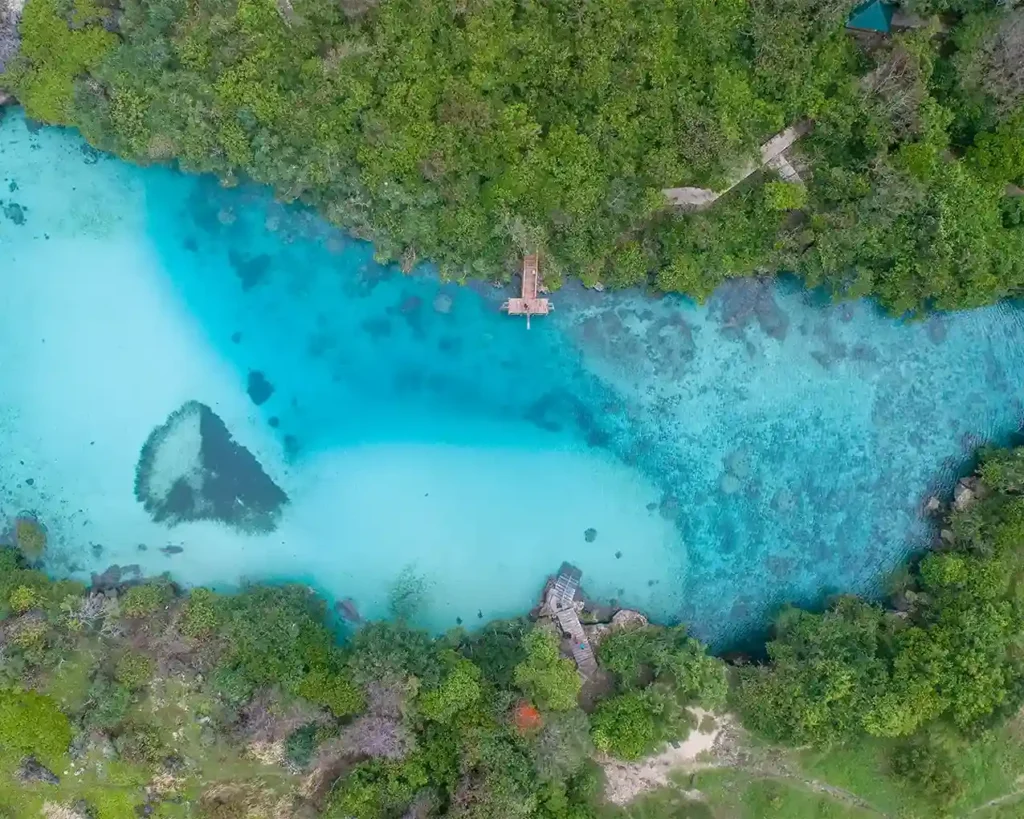
Weekuri Lagoon, also known as Weekuri Lake, is a saltwater lagoon in Southwest Sumba surrounded by rocks and cliffs. Its water is relatively calm and has a blue-green color, making the area a popular place for swimming and enjoying nature.
Unlike an open beach, Weekuri offers an experience in sheltered waters surrounded by rock formations.
Activities you can enjoy include:
- Swimming in the lagoon when conditions are safe.
- Relaxing around the edge of the lagoon.
- Taking photos from the surrounding cliff areas.
- Enjoying the combination of water, rocks, and Sumba’s natural vegetation.
If you plan to explore Southwest Sumba, Weekuri can be combined with several coastal destinations and traditional villages in the same area.
7. Warinding Hill, Sumba

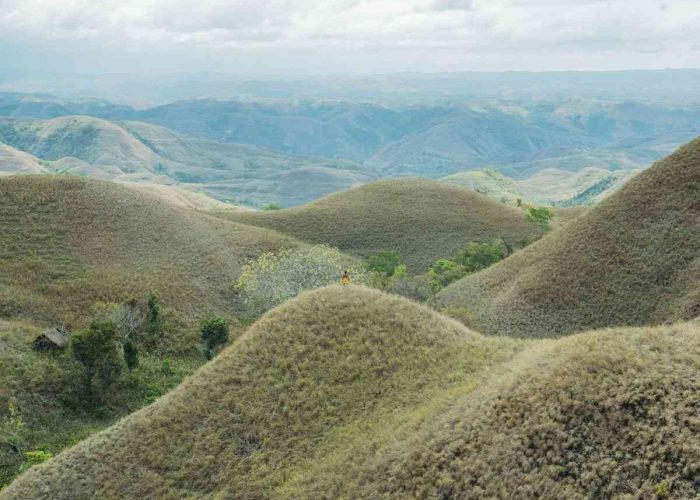
Warinding Hill is a hilly area covered by savanna and is one of the landscapes that represents the character of Sumba. The color of the hills changes with the seasons, from green during the rainy season to golden-brown tones during the dry season. This seasonal change means the scenery at Warinding does not always look the same throughout the year.
Some activities you can enjoy include:
- Taking in the hills and surrounding landscape from the available areas.
- Taking photos with the savanna as a backdrop.
- Watching the sunset when weather conditions are favorable.
- Observing seasonal changes in the vegetation.
The location is also relatively accessible from the Waingapu area, making Warinding Hill easy to include in an East Sumba itinerary.
8. Tanarara Savanna, Sumba
Tanarara Savanna is one of the areas that showcases Sumba’s open landscapes, with rolling hills and wide grasslands. Like several other savanna areas in Sumba, its appearance can change depending on the season and vegetation conditions.
The main appeal of Tanarara lies in its open surroundings and rolling landscape, which can be enjoyed along the journey.
When visiting, you can:
- Enjoy the savanna landscape along the route.
- Take photos of the landscape and hills.
- Observe how the grassland changes color depending on the season.
- Include it as part of a road trip route through Sumba.
Because parts of the area are open and exposed, consider the weather and timing of your visit to make the journey more comfortable.
9. Gusung Sanggalau, Derawan
Gusung Sanggalau is a sandbar in the Derawan Islands, East Kalimantan. Its sandy land becomes more visible when the tide is low, meaning its appearance is strongly influenced by tidal conditions. It is a suitable destination for travelers who want to experience the marine side of Eastern Indonesia in a simple and open setting.
Activities include:
- Walking across the sand when conditions allow.
- Swimming in the surrounding waters.
- Relaxing and enjoying the island atmosphere.
- Taking photos when the sandbar is clearly visible.
Because the presence of the sandbar is heavily influenced by the tides, conditions at the location can change during your visit.
10. Kehe Daing Lagoon, Derawan
Kehe Daing is a lagoon on Kakaban Island that is also locally known as Lobang Ikan. The area features calm waters, green vegetation, and sandy areas, giving it a different character from the open-sea destinations around the Derawan Islands. Reaching the lagoon requires a separate journey, making it more suitable for travelers who specifically want to explore another side of Kakaban Island.
The highlights of Kehe Daing include:
- A lagoon with calm water.
- Sandy areas for relaxing.
- Natural vegetation surrounding the area.
- An entrance route that can be affected by sea conditions.
- Swimming and photography when conditions allow.
If you visit Kakaban, Kehe Daing can be an additional destination besides Kakaban Lake.
11. Haji Mangku Cave, Derawan
Haji Mangku Cave is located on Maratua Island and is known for its bluish natural pool inside the cave. To reach the location, visitors need to walk along a trail through natural vegetation before reaching the cave area. The experience feels more like a nature exploration because reaching the site involves a short trek.
Things you can do include:
- Trekking to the cave.
- Enjoying the natural pool inside the cave.
- Swimming if conditions and your swimming ability allow.
- Photographing the cave formations and pool.
If you are traveling with children, adult supervision is necessary, especially around the pool.
12. Labuan Cermin, Derawan
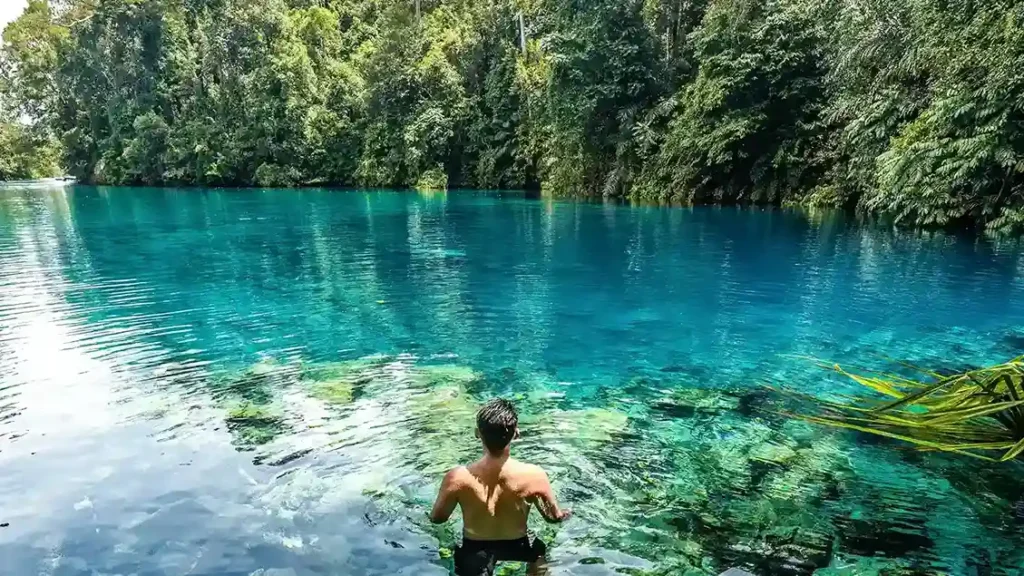
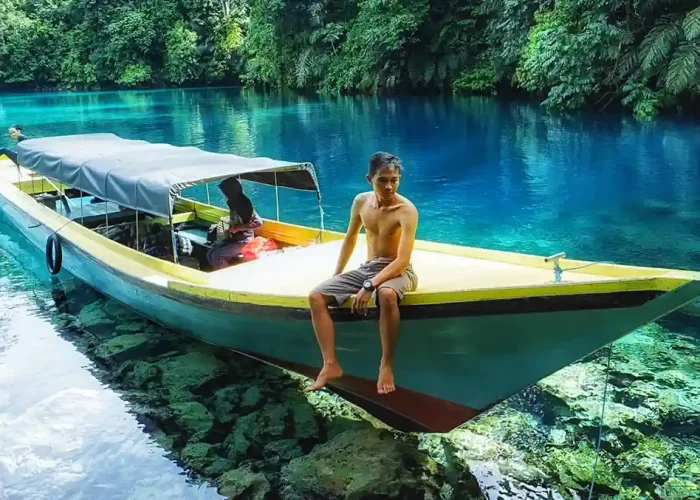
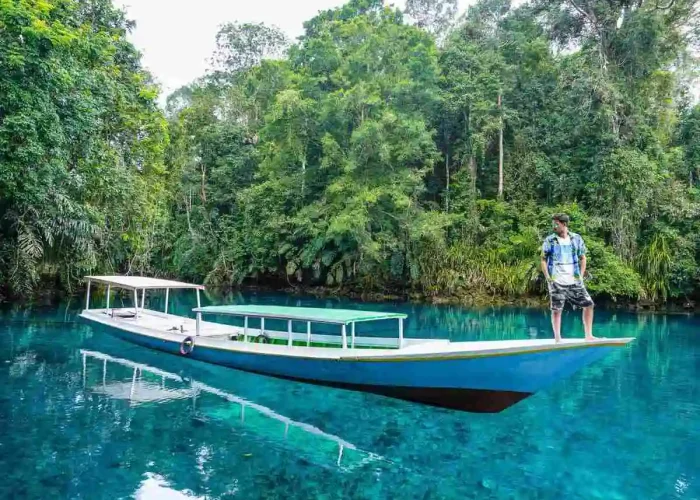
Labuan Cermin is located in Biduk-Biduk District, Berau Regency, East Kalimantan, and is known for its exceptionally clear water. The name Labuan Cermin refers to the water surface, which can reflect light like a mirror. Another unique feature is its character as a so-called two-layer lake, with freshwater and saltwater layers within it.
When visiting, you can:
- Enjoy the clarity of the water from a boat.
- Swim in permitted areas.
- Observe the different characteristics of the water.
- Photograph the reflections on the water surface that have become one of Labuan Cermin’s defining features.
Labuan Cermin can also be an additional option if you want to extend your marine trip in East Kalimantan beyond the Derawan Islands.
13. Kali Biru, Raja Ampat
Kali Biru is a bluish waterway in the Raja Ampat area. The destination offers a different experience from island and marine tourism because the journey takes you into a forest environment and inland waters. Indonesia Travel also lists Kali Biru as one of the adventure destinations in Raja Ampat.
Activities here focus more on nature exploration, such as:
- Walking through the forest toward the waterway.
- Enjoying the clear water.
- Swimming if local conditions and regulations allow.
- Observing the vegetation around the waterway.
Because the location is surrounded by a natural environment, trail conditions and weather should be considered before visiting.
14. Piaynemo, Raja Ampat

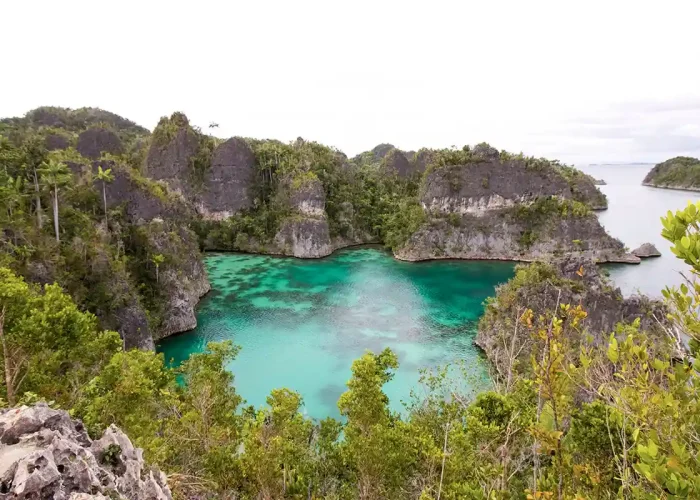
Piaynemo is one of the most recognizable viewpoints in Raja Ampat, particularly because of its small karst islands scattered across the surrounding waters. To see this landscape from above, visitors need to climb a series of stairs to the viewpoint.
Besides enjoying the landscape from above, you can:
- Trek to the viewpoint.
- Photograph the karst islands from above.
- Observe changes in the color of the sea depending on light and weather conditions.
- Combine the visit with other Raja Ampat destinations along the same travel route.
Weather and wave conditions should also be considered because travel to many destinations in Raja Ampat is generally done by boat.
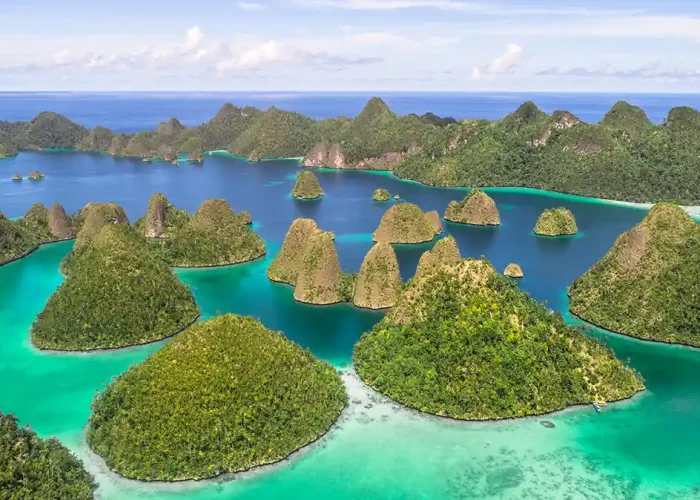
15. Wayag Peak, Raja Ampat
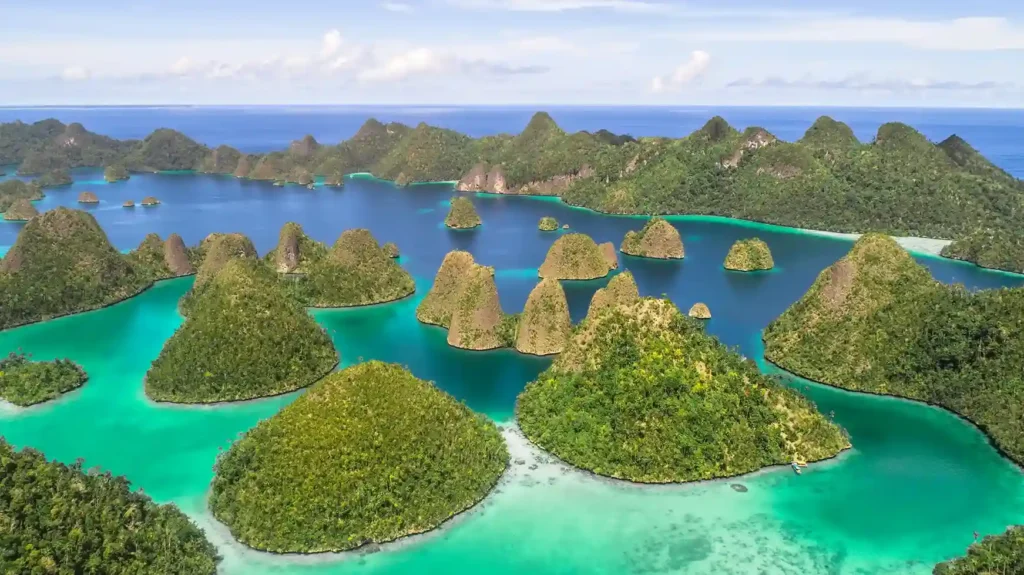
Wayag Peak is located in the Wayag Islands of Raja Ampat, an area known for its karst islands and surrounding waters. From the elevated viewpoint, you can see the small islands that form one of Raja Ampat’s characteristic landscapes. Reaching the viewpoint requires a climb along a rocky trail, so appropriate footwear and physical preparation are necessary.
The main attractions include:
- Karst islands viewed from above.
- Waters and bays between the islands.
- Beaches and coastal areas around Wayag.
- Snorkeling and diving in the waters around Wayag.
Because access is more challenging than some other Raja Ampat spots, visiting Wayag usually requires more careful planning in terms of route, timing, and sea conditions.
16. Kabui Bay (Batu Pensil and Batu Wajah), Raja Ampat
Kabui Bay is a body of water in Raja Ampat surrounded by clusters of karst islands. The area is also connected to Kabui Passage, a narrow waterway between Waigeo and Gam Islands that forms part of Raja Ampat’s nature tourism routes.
Here, you can experience Raja Ampat from the water through activities such as:
- Exploring the bay by boat.
- Viewing the karst island formations up close.
- Visiting the area around Kabui Passage.
- Photographing the islands and surrounding waters from the boat.
Kabui Bay is a suitable addition to your itinerary if you want to explore Raja Ampat not only from viewpoints but also from its waterways.
Read more: Underwater Tourism in Indonesia: Check Recommendations & Travel Tips Here!
Snorkeling Spots
The richness of its marine ecosystems is one of the reasons many travelers include Eastern Indonesia’s marine destinations in their travel plans. Here are several snorkeling spots to consider if you want to explore underwater life across different destinations in the region:
17. Siaba Island, Labuan Bajo
Siaba Island is one of the snorkeling and diving locations in Komodo National Park, known for its relatively calm waters and the presence of coral reefs and marine life. The area is also associated with turtle sightings, although wildlife encounters in nature always depend on sea conditions and the timing of your visit.
If you want to enjoy a marine activity without always being in areas with strong currents, Siaba can be one option to include in your Labuan Bajo itinerary.
Activities include:
- Snorkeling around the coral reefs.
- Observing fish and other marine life.
- Having the opportunity to see turtles when conditions allow.
- Enjoying the waters of Komodo National Park.
Always follow the crew’s instructions and avoid touching corals or chasing marine animals while snorkeling.
18. Manta Point, Labuan Bajo
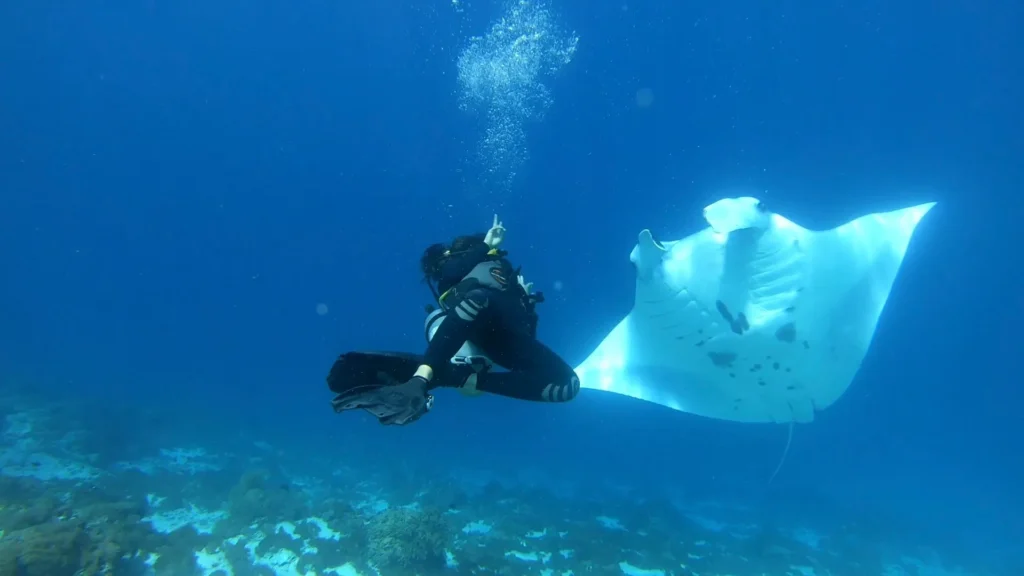
Manta Point is one of the locations around Komodo National Park known for manta ray sightings. Currents in the area can be relatively strong, so the snorkeling experience depends heavily on sea conditions and each visitor’s swimming ability.
Manta sightings cannot be guaranteed, but the location is one of the places frequently sought out by travelers hoping to see these animals in their natural habitat.
When conditions allow, you can:
- Snorkel while looking for manta rays from a safe distance.
- Observe manta rays without touching or chasing them.
- Enjoy the marine life around the area.
- Capture your underwater experience while keeping safety in mind.
Because currents can change, follow the crew’s instructions and do not enter the water if conditions are unsuitable for you.
19. Manjarite Island, Labuan Bajo
Manjarite Island is located within Komodo National Park and is a popular destination on Labuan Bajo sailing routes. Its waters feature snorkeling areas with coral reefs and tropical fish that can be observed when sea conditions are favorable.
Beyond snorkeling, the island’s relatively natural surroundings make Manjarite a common stopping point during trips around several islands in the Komodo area.
Some activities you can enjoy include:
- Snorkeling in the waters around the island.
- Observing fish and coral reefs.
- Swimming in safe areas.
- Resting before continuing your boat journey.
Manjarite is an option for travelers who want to combine snorkeling with exploration of several destinations during a Labuan Bajo trip.
20. Kanawa Island, Labuan Bajo
Kanawa Island is a small island near Labuan Bajo with white sandy beaches and clear waters. The area is known as a snorkeling location because coral reefs and fish can be found in its surrounding waters.
Kanawa’s appeal is not limited to the underwater environment. You can also enjoy the coastline before continuing to other destinations.
Activities at Kanawa Island include:
- Snorkeling in the waters around the island.
- Swimming in safe areas.
- Relaxing on the beach.
- Enjoying views of the island and sea from land.
- Photographing the coastal scenery.
When included in a sailing trip itinerary, Kanawa can be a relaxing stop for enjoying marine activities at a slower pace.
21. Derawan Island, Derawan
Derawan Island is one of the main destinations in the Derawan Islands, East Kalimantan, known for marine tourism and its rich sea life. The waters around the island are suitable for snorkeling and other marine activities.
Besides enjoying the sea, you can also use Derawan Island as a base for exploring several other islands in the Derawan Islands.
Things you can do include:
- Snorkeling in the waters around the island.
- Swimming and enjoying the beach.
- Observing fish and coral reef ecosystems.
- Exploring the surrounding islands by boat.
- Using Derawan as a base for visiting nearby destinations.
For a more complete experience, your trip can continue to Sangalaki, Kakaban, or Maratua depending on your route and travel conditions.
22. Sangalaki, Derawan
Sangalaki Island is known as one of the important marine conservation areas in the Derawan Islands and is famous for its turtle population. The island is also a destination for experiencing marine ecosystems.
Wildlife sightings cannot always be guaranteed, but the area’s environment makes Sangalaki an interesting destination for travelers who want to learn more about marine life.
Highlights of Sangalaki include:
- Turtle habitat.
- Waters suitable for snorkeling and diving.
- Coral reefs and marine life.
- A relatively natural island environment.
When interacting with wildlife, it is important to maintain a safe distance and follow conservation rules so tourism activities do not disturb the animals’ habitat.
23. Maratua, Derawan
Maratua is one of the larger islands in the Derawan Islands, offering a combination of coastal and underwater experiences. Its waters are known for coral reefs and various forms of marine life, making the area interesting for both divers and travelers who want to snorkel. Beyond marine activities, Maratua also has lagoons, beaches, and residential areas that can be explored.
Some activities you can choose include:
- Snorkeling around the island.
- Diving at suitable locations.
- Enjoying the beaches and lagoons.
- Exploring the island.
- Observing marine life with a local guide.
Because Maratua covers a relatively large area, activity locations can be adjusted according to your travel duration and sea conditions.
24. Talisayan, Derawan
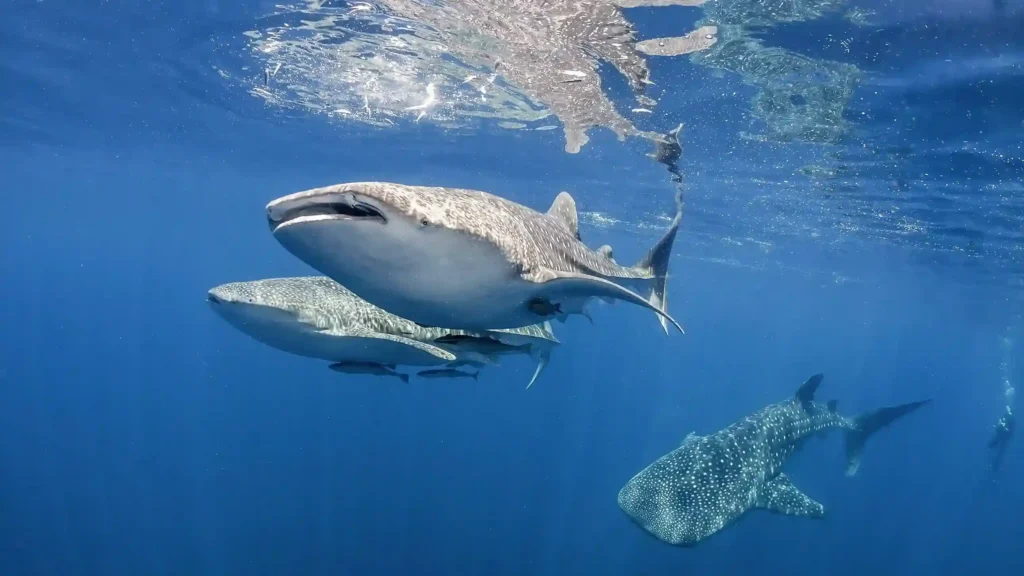
Talisayan in Berau Regency is known as one of the locations in East Kalimantan where whale shark encounters can be observed. These animals can be found in the waters around the area at certain times, but sightings still depend on natural conditions and cannot be guaranteed during a trip. For travelers interested in underwater tourism, the Talisayan experience focuses on the opportunity to observe a large marine animal in its natural habitat.
Things to keep in mind when visiting include:
- Follow the guide’s instructions during wildlife encounters.
- Do not touch or chase whale sharks.
- Maintain the required distance from the animals.
- Sea conditions and wildlife sightings can change.
- Choose an operator that understands responsible marine wildlife interaction guidelines.
With a responsible approach, wildlife observation can become part of your journey while also helping you better understand the local marine ecosystem.
25. Arborek, Raja Ampat
Arborek is a tourism village in Raja Ampat known for its coastal environment and underwater life. The waters around the village feature coral reefs that can be explored through snorkeling, while the local community is another important part of the experience. The combination of marine activities and village life makes Arborek suitable for more than just underwater exploration.
When visiting, you can:
- Snorkel in the waters around the village.
- Observe coral reefs and tropical fish.
- Walk around the village.
- Interact respectfully with local residents.
- Learn about the lives of coastal communities in Raja Ampat.
Arborek is an option for travelers who want to combine marine tourism and cultural experiences in Eastern Indonesia during the same visit.
26. Yenbuba, Raja Ampat
Yenbuba Village is located on Mansuar Island and is known as one of the popular snorkeling locations in Raja Ampat. The waters around the village feature coral reefs and various types of fish, making the area a common stop on Raja Ampat marine tourism routes. Currents can change, so snorkeling should always be done while considering the guide’s instructions and the sea conditions on the day of your visit.
Yenbuba’s attractions include:
- Coral reefs that can be explored through snorkeling.
- A diverse range of reef fish.
- Views of Raja Ampat’s waters.
- A village location that can be visited during your journey.
- Opportunities to learn about coastal community life.
When planning a Raja Ampat itinerary, Yenbuba can be combined with Arborek, Piaynemo, or other destinations depending on your route and weather conditions.
Unique Flora and Fauna
Beyond landscapes and underwater life, Eastern Indonesia is also rich in flora and fauna that form an important part of each region’s character. Some areas are known as habitats for animals that are difficult to find elsewhere, making the experience about more than just scenery.
Here are several destinations where you can learn more about wildlife and ecosystems unique to Eastern Indonesia:
27. Komodo Island, Labuan Bajo
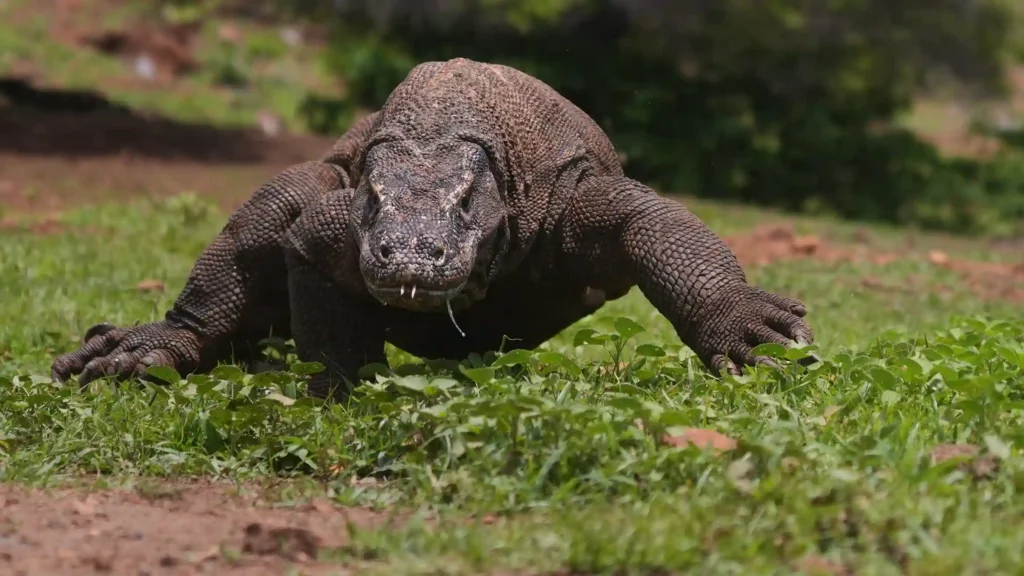
Komodo Island is part of Komodo National Park and is a natural habitat for the Komodo dragon (Varanus komodoensis), an endemic reptile and one of Indonesia’s icons. Komodo National Park was designated a UNESCO World Heritage Site in 1991. Visits to Komodo Island are carried out along designated routes and according to national park regulations. Because Komodo dragons are wild animals, visitors are not allowed to approach or attempt to interact directly with them.
The experience can include:
- Following a guided trekking route.
- Observing Komodo dragons from a safe distance.
- Learning about Komodo dragon habitats and behavior.
- Exploring the island’s landscape.
- Visiting other areas of Komodo National Park during the same trip.
Beyond Komodo dragons, the national park is also home to various bird species, mammals, reptiles, and coastal and marine ecosystems.
28. Rinca Island, Labuan Bajo
Rinca Island is one of the main islands in Komodo National Park and is also a Komodo dragon habitat. Its landscape consists of savanna, forest, hills, and coastal areas that form part of the ecosystem where wildlife lives. Rather than simply searching for Komodo dragons, a visit to Rinca also offers an opportunity to observe how animals and vegetation exist within a relatively dry island ecosystem.
During a trek, you can:
- Observe Komodo dragons with the assistance of park staff.
- Explore designated trekking routes.
- See savanna and forest vegetation.
- Observe other wildlife if you are fortunate.
- Learn about Komodo conservation and the surrounding environment.
Because all wildlife lives in its natural habitat, there is no guarantee that you will see a particular animal during your visit.
29. Wayag Guard Post (Shark Point), Raja Ampat
Wayag is known not only for its karst formations but also for the rich marine ecosystem surrounding the islands. The area often referred to as Shark Point is one of the locations that can be visited when exploring the waters of Wayag to observe marine life. Shark sightings are a natural occurrence, so visitors cannot guarantee that they will see sharks on every visit.
Activities include:
- Observing marine life from a boat or while snorkeling if conditions allow.
- Exploring the waters around Wayag.
- Following the guide’s safety instructions.
- Photographing the landscape and marine life without disturbing the animals.
Because Wayag is relatively far from Raja Ampat’s main tourism areas, reaching the region requires careful planning of your route, timing, and sea conditions.
30. Jellyfish Lake (Kakaban), Derawan
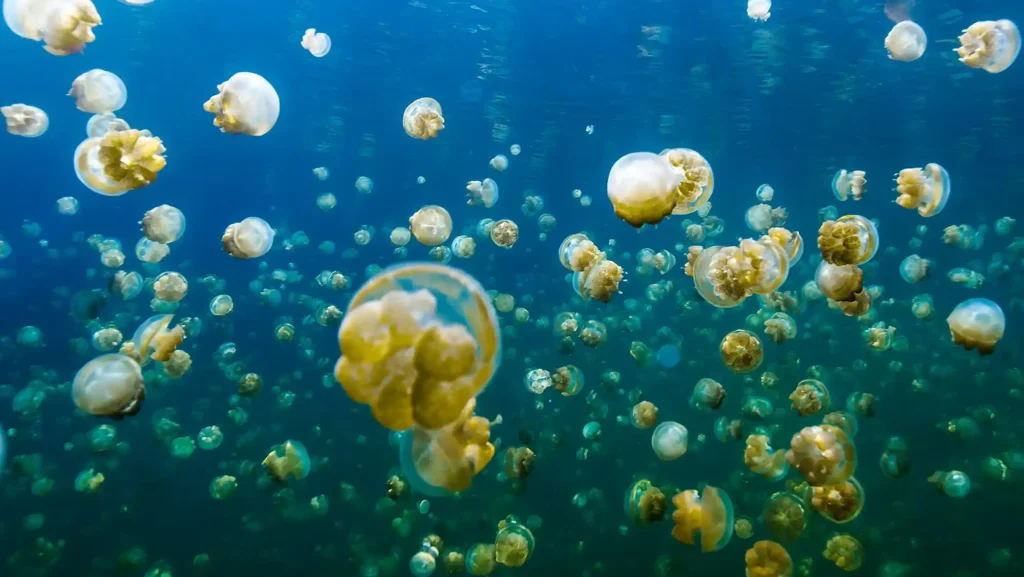
Kakaban Lake is a saltwater lake on Kakaban Island and is famous for its population of jellyfish that can be observed inside the lake. The isolated ecosystem of the lake makes it different from an open marine environment. The jellyfish in this area are known for having very weak stings, but visitors should still follow the rules and instructions provided by the local management regarding activities inside the lake.
Things you can do include:
- Swim or snorkel according to the applicable rules.
- Observe the jellyfish up close without touching them.
- Enjoy the lake ecosystem surrounded by vegetation.
- Learn about the unique characteristics of Kakaban Island’s ecosystem.
Kakaban is one example of how nature tourism in Eastern Indonesia offers more than beaches and open seas, with unique ecosystems that have developed within an island.
Read more: Eco-Friendly Travel in Indonesia: Sustainable Ways to Explore Nature
Cultural Tourism and Natural Heritage
Traveling through Eastern Indonesia can also introduce you to local communities, traditions, architecture, and the ways people maintain their relationship with the surrounding environment. Here are several villages and cultural areas you can include in your itinerary to experience another side of Eastern Indonesia:
31. Waerebo Village, Flores
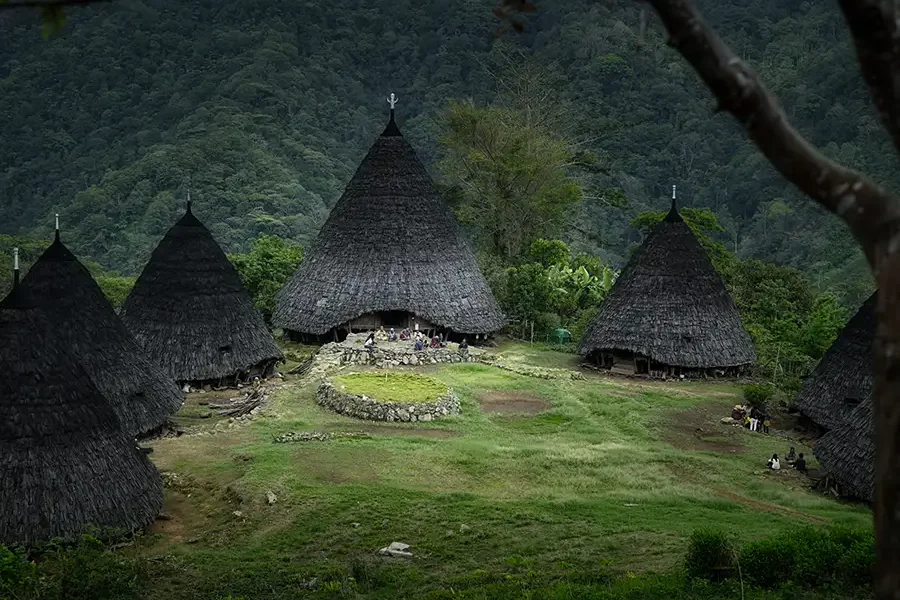
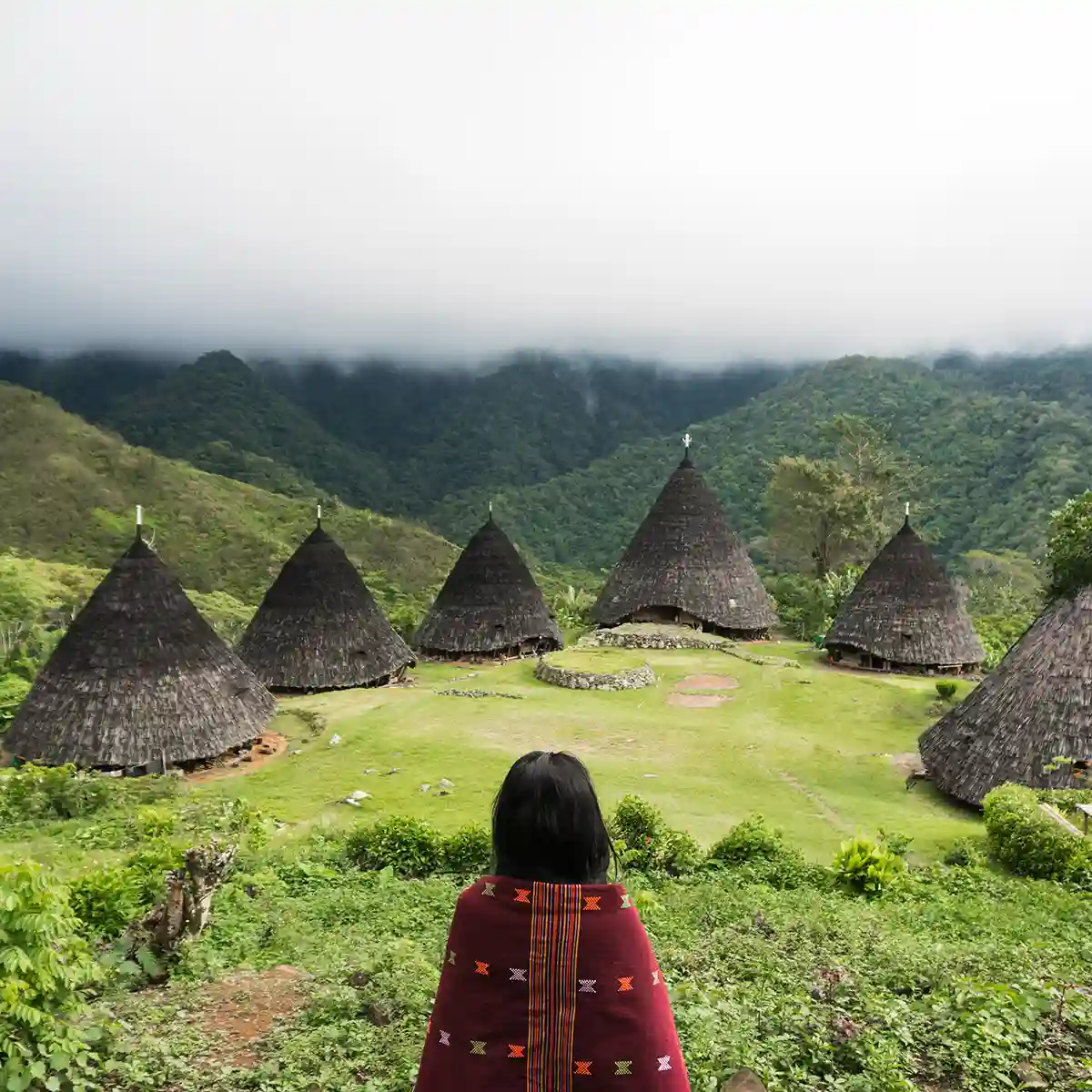
Waerebo Village is located in Manggarai Regency, Flores, and is known for its traditional Mbaru Niang houses with distinctive cone-shaped roofs. The village is located in a mountainous area, so the journey to Waerebo is also part of the experience, with access requiring visitors to walk along a hilly trail.
The preservation of Mbaru Niang in Waerebo received an Award of Excellence at the 2012 UNESCO Asia-Pacific Awards for Cultural Heritage Conservation. The award recognized cultural heritage conservation efforts and does not mean that Waerebo has UNESCO World Heritage Site status.
When visiting, you can:
- See the Mbaru Niang houses and village layout.
- Trek to the village.
- Learn about local traditions and community life.
- Stay overnight in the village if accommodation is available and permitted.
- Enjoy the mountainous surroundings of Flores.
Because Waerebo is an inhabited village, it is important to respect local rules and follow the applicable guidelines while staying in the area.
32. Ratenggaro Village, Sumba
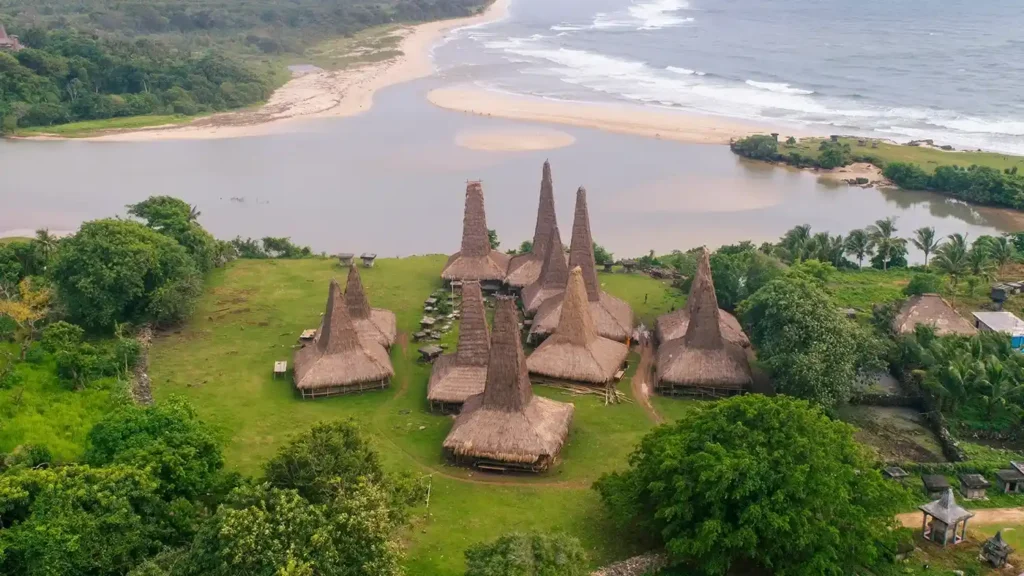
Ratenggaro Village is located in Southwest Sumba and is known for its traditional houses with tall roofs and megalithic stone graves around the settlement. The architecture and village layout demonstrate the relationship between traditional architecture, beliefs, and the lives of the Sumba people. Visiting Ratenggaro offers an experience that differs from exploring beaches or savannas because you can see one of the cultural traditions of Sumba that is still preserved today.
Some things you can explore include:
- Traditional houses with tall roofs that are characteristic of Sumba.
- Stone grave complexes around the village.
- The layout of the traditional settlement.
- Local crafts and community life.
- The village landscape leading toward the coastal area.
If you want to photograph local residents or specific parts of the village, it is best to ask for permission first as a way of respecting the community and its traditions.
33. Prai Ijing Traditional Village, Sumba
Prai Ijing is one of the traditional villages in Sumba that can be included in a journey to learn about traditional architecture and local community life. Traditional houses with tall roofs are among the most recognizable elements when entering the village. Beyond observing the traditional buildings, you can also see how houses, graves, and open spaces are arranged within the settlement.
When visiting, you can:
- Observe traditional Sumbanese houses.
- Learn about the layout of a traditional village.
- Observe everyday community activities.
- Photograph the architecture and village environment while asking permission when necessary.
- Purchase or learn about local crafts when available.
Prai Ijing is a suitable addition to a Sumba itinerary if you want to balance nature exploration with cultural tourism in Eastern Indonesia.
34. Sauwandarek Village, Raja Ampat
Sauwandarek Village is located on Mansuar Island, Raja Ampat, and is known as one of the tourism villages that can be visited while exploring the island region. In addition to its coastal surroundings, the village is also known for traditional crafts made by local residents. Visiting Sauwandarek provides an opportunity to see another side of Raja Ampat beyond snorkeling and island hopping.
Things you can find in Sauwandarek include:
- A coastal community settlement.
- Local crafts such as woven products.
- Everyday community life.
- Coastal and marine environments around the village.
- Opportunities to interact with the local community through available tourism activities.
If you want to purchase crafts or photograph local activities, do so directly and respectfully while following the rules of the village.
Beautiful Beaches
The long coastline and island geography of the region mean that Eastern Indonesia has a wide variety of beaches, from white sand and shallow waters to beaches with distinctive natural formations. Here are several beaches and islands you can visit to complete your exploration of Eastern Indonesia:
35. Manimbora, Derawan
Manimbora Beach is located in the Berau area of East Kalimantan and is known for its white sand and coconut trees along the beach. The atmosphere is relatively peaceful, offering a different experience from busier marine tourism destinations. The character of the beach can change with the tides, so the coastline you see during your visit may not always look the same.
Activities you can enjoy include:
- Walking along the beach.
- Enjoying the coastal atmosphere.
- Taking photos with the sand and sea as a backdrop.
- Relaxing before continuing to another destination.
Manimbora can be included in either a land-based or marine journey around the Berau area.
36. Kelor Island, Labuan Bajo
Kelor Island is a small island near Labuan Bajo with a white sandy beach and clear waters. Its relatively small size makes it a common stop on Labuan Bajo sailing trips. Besides enjoying the beach, you can also take part in light activities on land or in the water.
Activities include:
- Swimming in safe waters.
- Snorkeling around the island when conditions allow.
- Relaxing on the beach.
- Taking a short trek to a higher area.
- Photographing the island from the boat or from land.
Because Kelor Island is usually one of the stops on an island-hopping route, the length of your visit can be adjusted according to your itinerary.
37. Pink Beach, Labuan Bajo
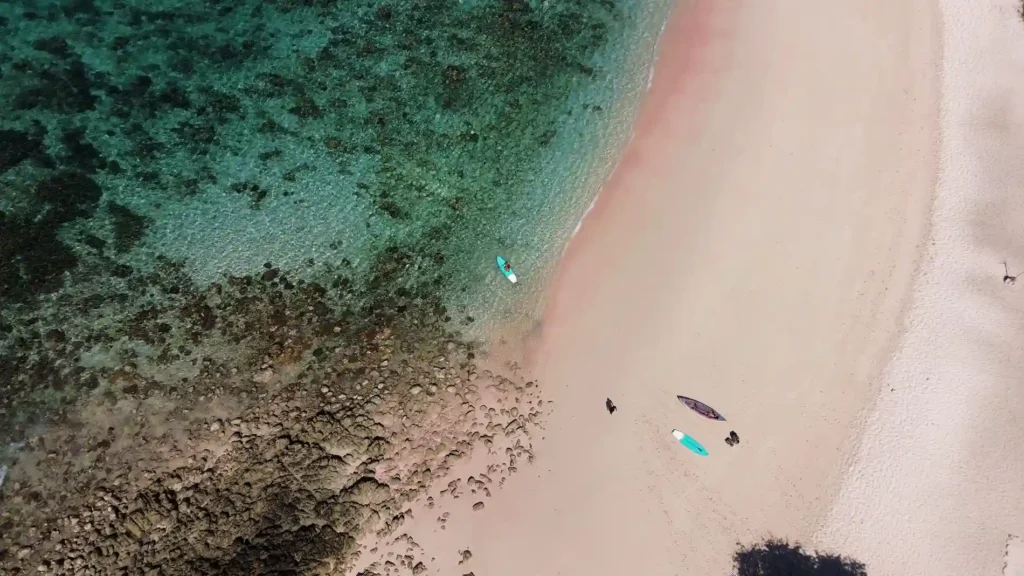
Pink Beach is one of the best-known beaches in Komodo National Park because its sand has a pinkish tone created by a combination of white sand and reddish material, including fragments of coral organisms. The intensity of the color can look different depending on the light, weather, and condition of the beach. Besides enjoying the beach, the surrounding waters can also be used for snorkeling when sea conditions are favorable.
Things you can do at Pink Beach include:
- Swim in safe areas.
- Snorkel around the beach.
- Enjoy the sand and coastal landscape.
- Take photos from the beach or from a boat.
- Explore the surrounding area according to the park’s guidelines.
Because the beach is located within Komodo National Park, visitors need to follow conservation regulations and help keep the environment clean.
38. Seraya Island, Labuan Bajo
Seraya Island is one of the islands near Labuan Bajo, offering a white sandy beach and a tropical island atmosphere. Its surrounding waters can also be used for snorkeling when sea conditions are suitable. Its location makes Seraya Island an option for travelers who want to enjoy an island experience without traveling too far from Labuan Bajo.
Activities you can choose include:
- Relaxing on the beach.
- Swimming.
- Snorkeling.
- Enjoying the sunset when weather conditions allow.
- Staying overnight at available accommodation on the island.
Seraya Island can be an option for a more relaxed trip or an additional destination when exploring the islands around Labuan Bajo.
39. Sabolo Island, Labuan Bajo
Sabolo Island is a small island near Labuan Bajo with a white sandy beach and relatively clear waters. Its simpler atmosphere makes it suitable for travelers who want to spend time along the coast without too many activities.
Activities include:
- Swimming in safe areas.
- Snorkeling when sea conditions allow.
- Relaxing on the beach.
- Enjoying the island atmosphere.
- Photographing the coastal landscape.
Like other islands around Labuan Bajo, the timing of your visit should take weather, tides, and boat routes into consideration.
40. Mbawana Beach, Sumba
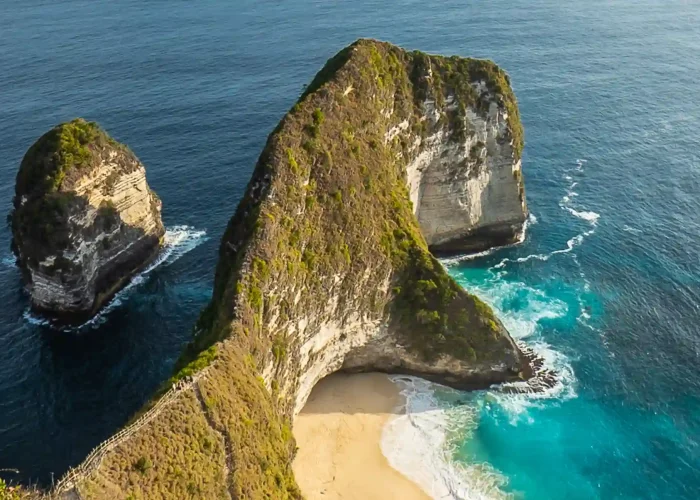
Mbawana Beach is located in Southwest Sumba and is known for a large rock formation that creates a natural arch along the beach. This formation is one of the area’s defining features and makes Mbawana different from typical sandy beaches. Reaching the beach requires paying attention to road and terrain conditions, so it is recommended to use a suitable vehicle and a local companion who understands the area.
At Mbawana, you can:
- Enjoy views of the beach from above.
- Photograph the rock formation.
- Walk around the beach area when conditions are safe.
- Enjoy the coastal atmosphere of Sumba.
Wave conditions and access to the beach should be considered before going down to the shoreline, especially when weather or sea conditions are unfavorable.
41. Walakiri Beach, Sumba

Walakiri Beach is located in East Sumba and is known for its small mangrove trees, which become more visible as the tide goes out. Their silhouettes are one of the visual characteristics that attract visitors in the late afternoon. The timing of your visit has a significant impact on the experience because tidal conditions determine how much sand is exposed and how clearly the mangrove roots and trunks can be seen.
Activities include:
- Enjoying the beach when the tide is low.
- Photographing the mangrove silhouettes.
- Walking across the exposed sand.
- Watching the sunset when weather conditions allow.
If photography is your main purpose, pay attention to the tide and the position of the sun so you can plan your visit accordingly.
42. Friwen, Raja Ampat
Friwen is a coastal area in Raja Ampat that offers a combination of beaches, forests, and underwater life. The area is also known for Friwen Wall, a location that can be explored through snorkeling or diving. Friwen is suitable for travelers who want to combine land and marine activities during the same visit.
Some activities you can enjoy include:
- Snorkeling in the waters around Friwen.
- Diving at suitable locations.
- Relaxing on the beach.
- Enjoying the forest and coastal environment.
- Observing underwater life with a guide.
Current conditions and weather should always be considered because snorkeling and diving experiences depend heavily on the sea conditions during your visit.
43. Pasir Timbul, Raja Ampat
Pasir Timbul is a sandbank that emerges in the waters of Raja Ampat when the tide goes out. Because it is formed by tidal processes, the size and shape of the sandy area can change throughout the day. The destination is usually visited as part of a boat trip, so the timing of your visit needs to be adjusted to the water conditions.
When visiting Pasir Timbul, you can:
- Walk across the sandbank when it emerges.
- Swim in the surrounding waters.
- Take photos from the boat or from the sand.
- Enjoy the waters of Raja Ampat.
- Combine it with other destinations along the same route.
Because Pasir Timbul is highly dependent on the tides, you should not expect the sandbank to look exactly the same as the photos you find online.
44. Poganda Beach, Luwuk Banggai
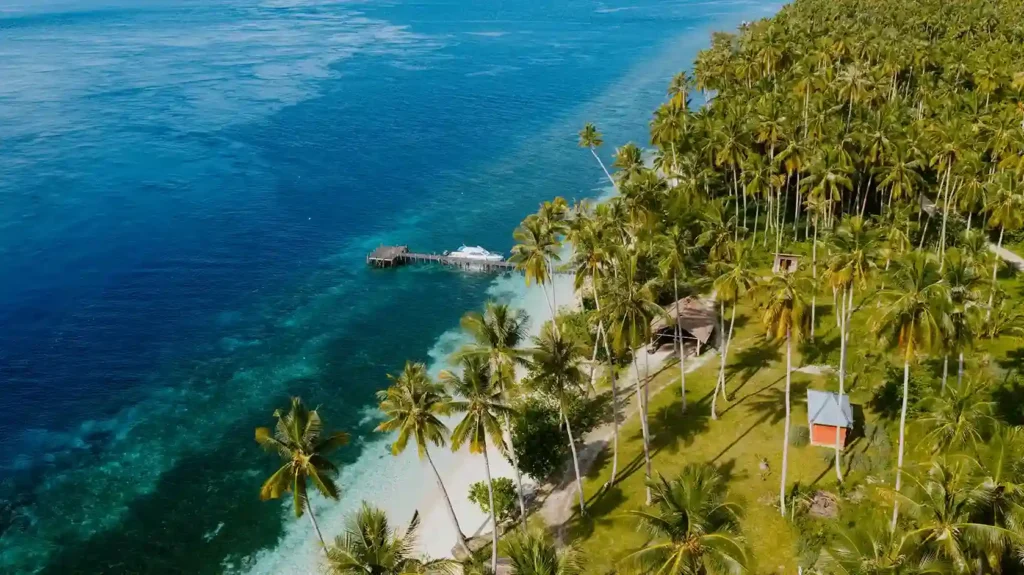
Poganda Beach is a coastal destination in the Luwuk Banggai area of Central Sulawesi, offering white sand and clear seawater. Its relatively peaceful atmosphere makes Poganda an option for travelers who want to explore another side of Eastern Indonesia beyond more popular destinations such as Labuan Bajo and Raja Ampat.
Besides enjoying the beach, you can spend time exploring the coastal area and photographing the surrounding sea landscape.
Some activities you can enjoy at Poganda Beach include:
- Relaxing and walking along the beach.
- Enjoying the clear seawater when conditions allow.
- Photographing the beach and sea.
- Enjoying the coastal atmosphere of Luwuk Banggai.
- Including Poganda as one of the destinations on a trip around Banggai.
Because sea conditions, weather, and access can change, adjust your activities according to the conditions during your visit and information from local residents or site managers. Poganda Beach can also be an option if you want to expand your list of Eastern Indonesia travel destinations to Central Sulawesi.
Read more: 15 Best Place to Visit in Indonesia 2026: IndonesiaJuara Trip’s Curated Recommendations
Ready to Explore Eastern Indonesia with IndonesiaJuara Trip?
Eastern Indonesia offers a wide range of travel experiences, from nature and beaches to islands, snorkeling, wildlife encounters, and opportunities to experience local culture. From Labuan Bajo and Flores to Sumba, the Derawan Islands, Luwuk Banggai, and Raja Ampat, the 44 destinations in this article can serve as a reference when deciding which region and activities best match your travel plans. If you want to visit these destinations without having to arrange the entire journey yourself, you can choose an Eastern Indonesia tour package from IndonesiaJuara Trip, with Open Trip and Private Trip options available for several destinations across the region.
With IndonesiaJuara Trip, your journey is supported by a prepared itinerary, accommodation, and local transportation, along with local guides and crew who understand the destinations, with transparent pricing and no hidden fees. Contact our team to discuss your needs, from the destinations you want to visit and the number of travelers to the type of travel experience you are looking for. Then, choose and book the Eastern Indonesia tour package that suits your trip.