Lessons from Phinisi Boats for Luxury Hospitality: Our Founder’s Insights on Forbes.com

Lessons from Pinisi for Luxury Hospitality Our Founder’s Insights on Forbes.com | IndonesiaJuara Trip
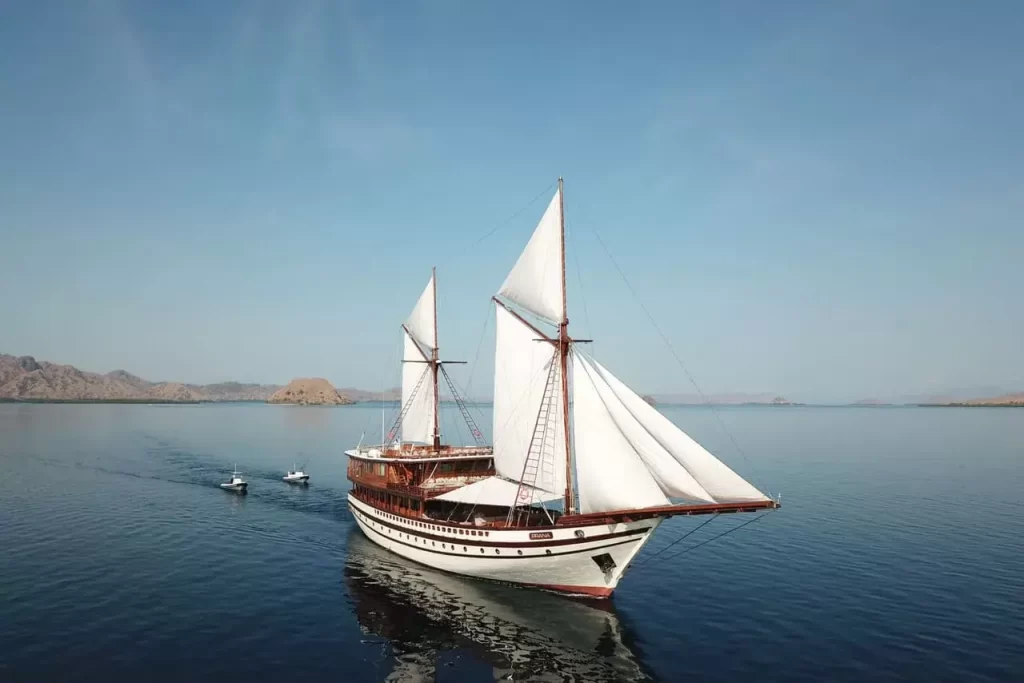
Phinisi boats are traditionally built by skilled boatbuilders in Bulukumba, South Sulawesi, particularly in Tanah Beru and Ara. Today, these traditional vessels, which form part of Indonesia’s cultural heritage, also carry guests from across the country on journeys through Labuan Bajo. Our founder, Agung Afif, explores the values the hospitality industry can learn from phinisi boats in a Council Post published on Forbes.com. He is also a member of the Forbes Business Council. This article explores the lessons phinisi boats offer for luxury hospitality while highlighting what you should consider when choosing a boat for a sailing trip in Labuan Bajo.
Table of Contents
What Is a Phinisi Boat and Why Does UNESCO Recognize It?

A phinisi is a traditional wooden sailing vessel from South Sulawesi, built using skills passed down through generations. In 2017, UNESCO recognized the art of phinisi boatbuilding as an Intangible Cultural Heritage. This recognition aims to safeguard the knowledge and craftsmanship of traditional boatbuilders and ensure these skills continue to be passed down to future generations. It does not certify the quality of individual boats or their operators.
The tradition of phinisi boatbuilding remains alive in several coastal villages in Bulukumba, including Tanah Beru and Ara. Here, boatbuilders shape wooden hulls by hand and pass their techniques from one generation to the next. This is why UNESCO recognizes the craftsmanship itself rather than any particular vessel.
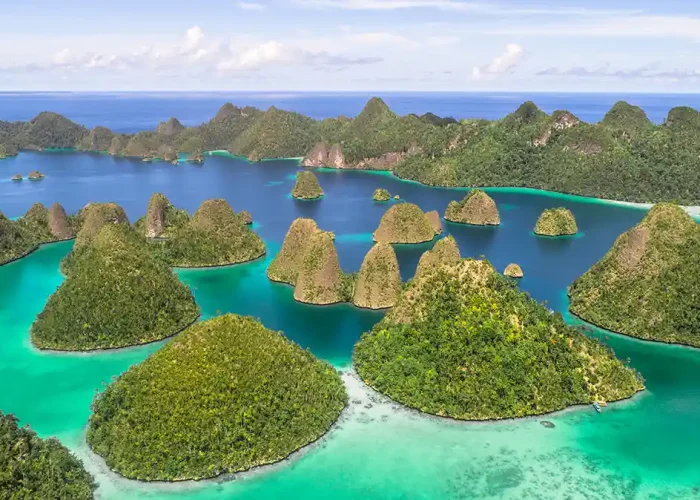
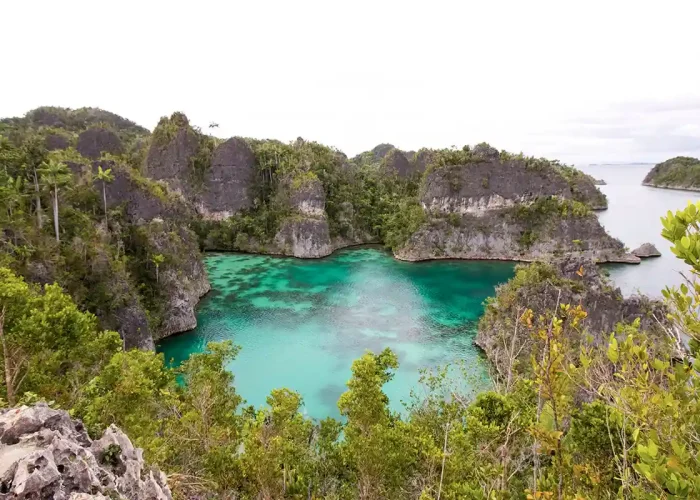
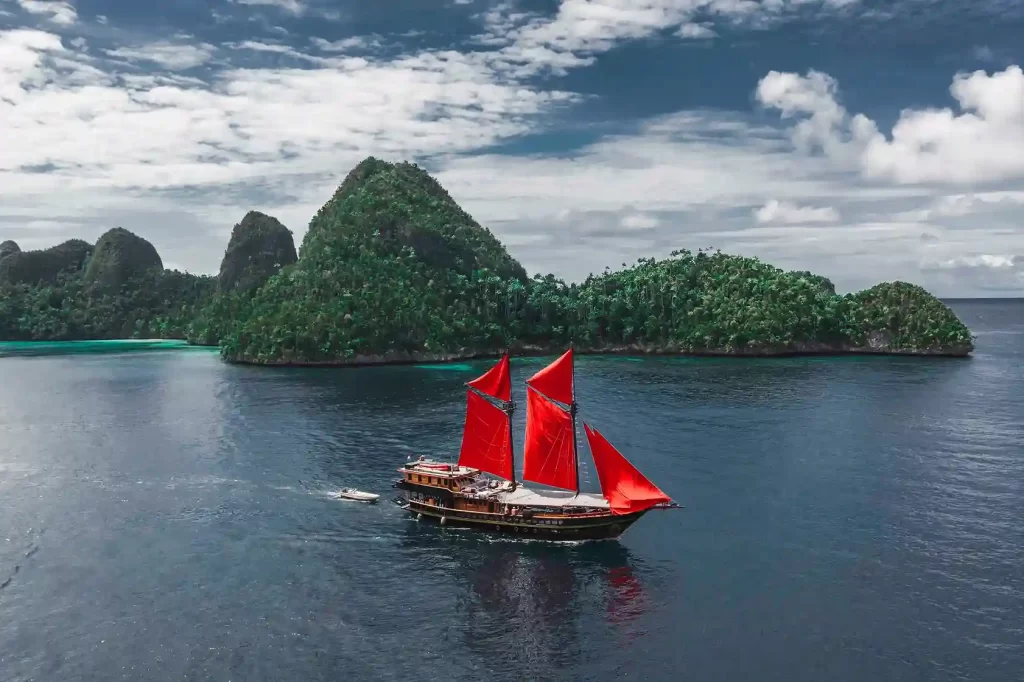
While phinisi boats were once primarily used for transporting goods, some have now been adapted for tourism in Labuan Bajo, Komodo National Park, and Raja Ampat. This allows you to experience Indonesia’s cultural heritage while exploring the country’s natural beauty from the deck of a traditional vessel.
However, a boat that looks beautiful and carries historical significance does not necessarily offer the comfort needed for a multi-day journey. That is why there are several important things to consider before choosing a phinisi boat.
UNESCO Recognition Is Not a Boat Certification: What Should You Ask Before Choosing a Vessel?

UNESCO recognition applies to the tradition of phinisi boatbuilding, not the quality or condition of every individual vessel. This means each boat should still be evaluated based on its safety standards, maintenance, facilities, and crew service.
At IndonesiaJuara Trip, you are welcome to ask questions about the boat, maintenance schedules, crew readiness, and alternative arrangements in case weather conditions change. This information helps you understand what to expect from your trip before making a booking.
Here are several things you should ask before choosing a boat for your trip:
- The Boat’s Origin and Maintenance History
Find out who built the vessel and who is currently responsible for maintaining it. A clear maintenance history helps you understand how the boat is managed and maintained. - The Number of Cabins and Shared Spaces
Compare the number of cabins with the available dining areas, decks, and lounges. An overcrowded boat can make shared spaces feel less comfortable when all guests gather together. - The Boat’s Maintenance Schedule
Ask when the hull, engine, and safety equipment were last inspected and serviced. Regular maintenance is essential to keeping the vessel in good condition throughout the journey. - Alternative Travel Arrangements
Find out what happens if weather conditions, sea currents, or other circumstances require changes to the route, including which alternative destinations may be available. - Safety Decision-making Procedures
Make sure you understand that the captain has the final authority over navigation and safety decisions, as well as how such decisions will be communicated to guests.
These are reasonable questions to ask before booking a boat. The answers can also help you compare different phinisi options available in Labuan Bajo and Raja Ampat.
Read more: The Founder of IndonesiaJuara Trip Has Joined Forbes Business Council
A Day on a Phinisi Boat: Why Comfort Depends on the Details You Cannot See

Comfort on a phinisi sailing trip is not determined solely by the boat’s design or the facilities shown in its photos. Many important details only become noticeable when you spend several days on board, from a good night’s sleep and access to fresh water to timely meals and a well-maintained cabin when you return from exploring the islands.
These experiences are made possible by the crew’s work, supported by the boat’s layout and overall management. To understand why these details matter, imagine what a typical day on a sailing trip in Labuan Bajo might look like.
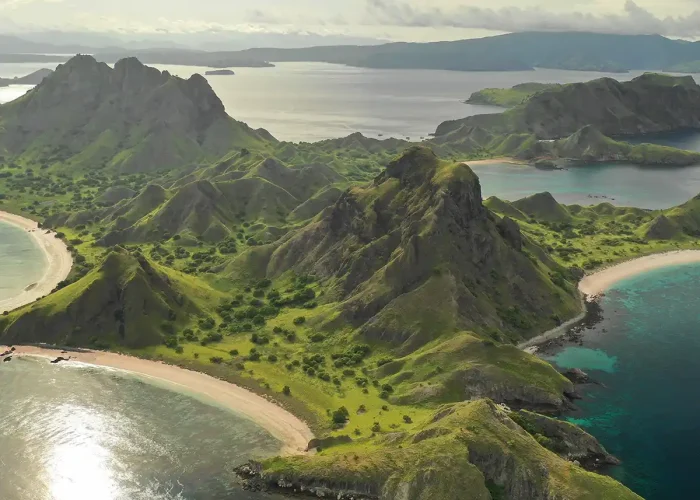
On the second day, for example, you start your morning with breakfast on board before heading to Padar Island for a trek or Manta Point for snorkeling. After returning from your activities, you can rinse off with fresh water, dry your snorkeling equipment, and enjoy lunch. As evening approaches, you can relax on the deck with your family or fellow travelers before heading back to your cabin to rest.
This kind of experience is influenced by several technical aspects of the vessel that may not be immediately visible, including:
- Cabin Location in Relation to the Engine and Generator
Cabins located farther away from engine and generator noise can provide a quieter environment for resting at night. - Freshwater Availability.
The water tank capacity and how the crew manages the supply affect your comfort when showering after snorkeling or swimming. - Dedicated Drying Areas.
A designated deck or space for drying equipment helps keep dining and shared areas clean and organized. - Kitchen and Dining Area Layout
A kitchen positioned to support an efficient serving process allows the crew to deliver meals more smoothly.
For these reasons, besides checking the boat’s photos and layout, you can also ask about cabin locations in relation to the engine, freshwater availability, and deck arrangements. Consider whether the shared spaces are spacious enough for the number of guests, whether the crew has its own working and resting areas, and how regularly the boat is maintained.
The IndonesiaJuara Trip team is happy to provide information about these details for the available vessels. By understanding these aspects, you can choose a boat that is not only visually appealing but also comfortable to stay on throughout a multi-day journey.
Why Can a Labuan Bajo Itinerary Change and How Do We Communicate These Changes?
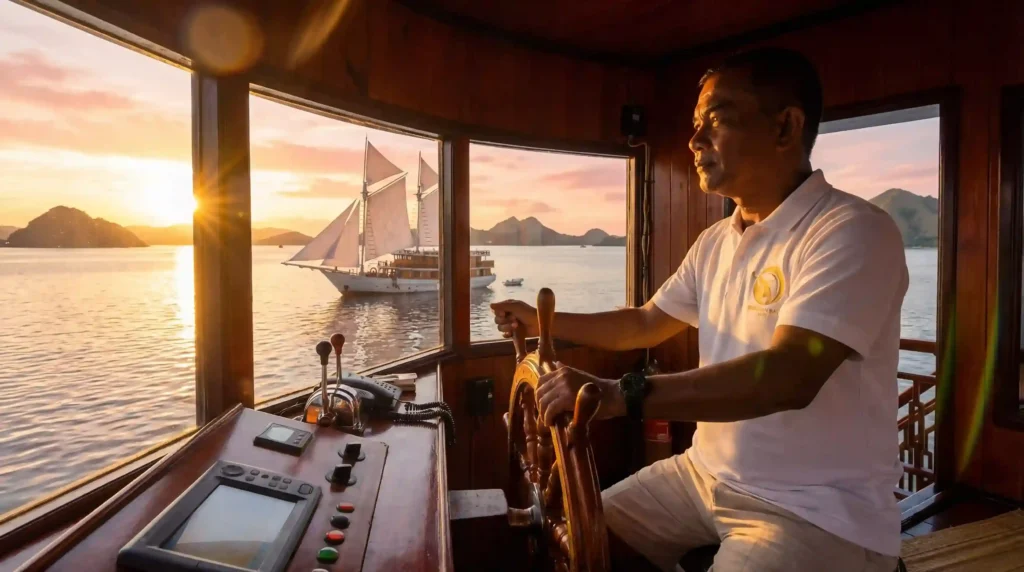
A Labuan Bajo itinerary may change due to weather conditions, sea currents, or regulations within Komodo National Park. In these situations, the captain has the authority to adjust the route to ensure the safety of everyone on board, including passengers and crew members.
That is why, before departure, we explain to our guests that certain parts of the itinerary depend on actual conditions at sea. We also provide possible alternative destinations in writing so guests understand which parts of the trip may change before the journey begins.
For example, snorkeling at Manta Point is highly dependent on sea currents and ocean conditions. Meanwhile, trekking on Padar Island also requires consideration of the weather and the boat’s arrival time. If conditions do not allow a particular destination to be visited, the captain may adjust the route while prioritizing the safety and comfort of everyone on board.
We make an effort to explain in advance which parts of the itinerary are subject to natural conditions, along with possible alternative destinations. If a route change becomes necessary during the trip, the crew will promptly inform guests and explain the reasons behind the decision.
With clear communication, you can better understand the situation and continue enjoying your journey without confusion when itinerary adjustments are necessary.
Explore Labuan Bajo and Raja Ampat on a Phinisi Boat with IndonesiaJuara Trip
Phinisi boats are part of South Sulawesi’s cultural heritage, and today you can experience this tradition firsthand through sailing trips in Labuan Bajo and Raja Ampat. However, a comfortable sailing experience depends on more than just the beauty of the vessel. The boat’s condition, crew readiness, onboard facilities, and trip planning also play important roles.
This perspective aligns with the insights shared by Agung Afif, Founder of Juara Holding Group and CEO of Komodo Luxury, as well as a member of the Forbes Business Council, in his Council Post on Forbes.com about lessons from phinisi boats for luxury hospitality. You can also read more about how these lessons are applied when planning a phinisi sailing experience in Komodo Luxury’s article on luxury hospitality aboard phinisi boats.
If you would like to experience sailing on a traditional phinisi boat, IndonesiaJuara Trip is ready to help you plan your journey. Contact our team to discuss available boats and itineraries, or explore our Labuan Bajo tour packages and Raja Ampat tour packages for your next adventure.