6 Differences Between Sumba and Sumbawa That People Often Confuse
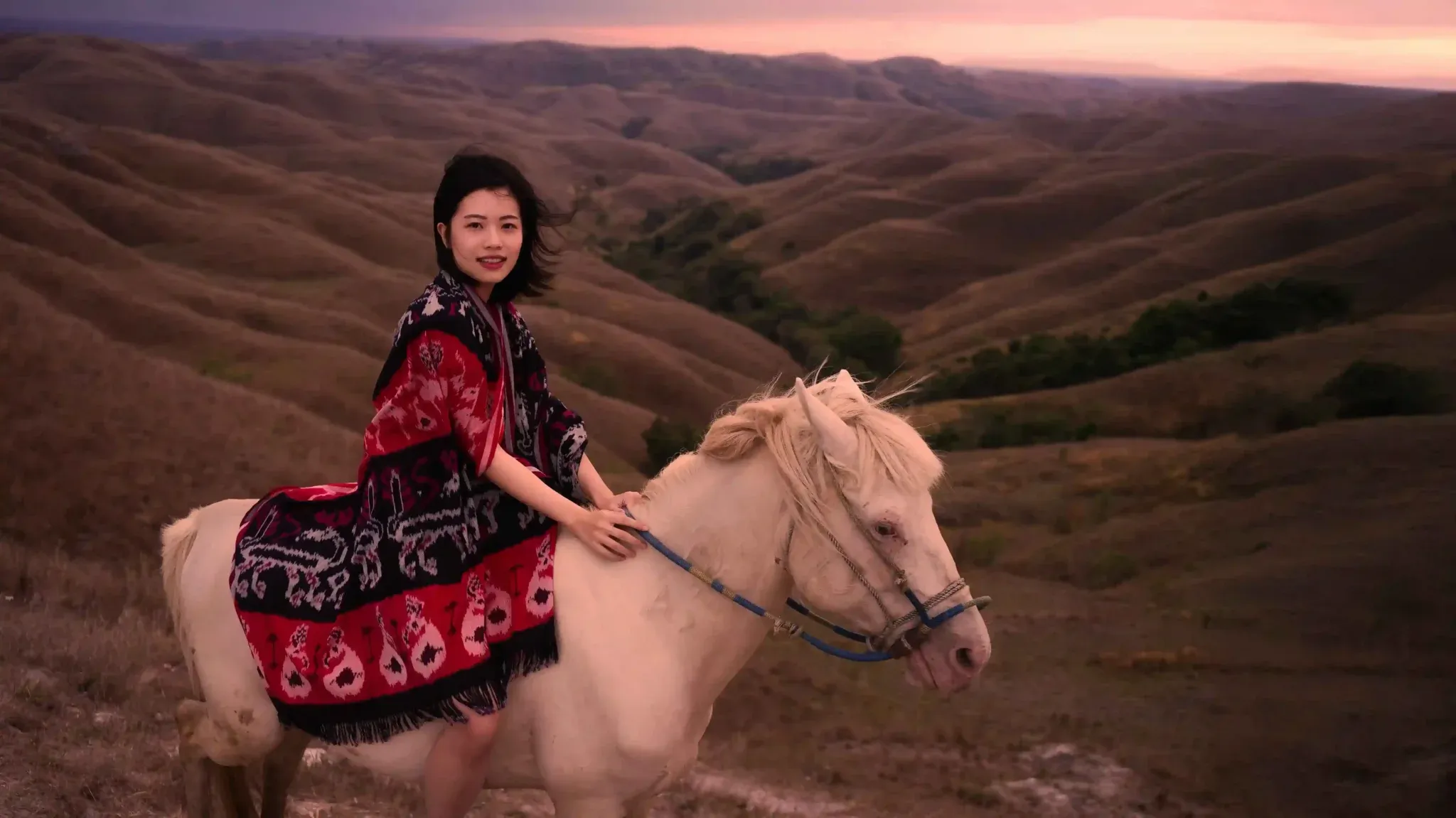
Sumba Horse | Sumba Tour | IndonesiaJuara Trip
Have you ever thought Sumba and Sumbawa were the same place just because their names sound similar? In fact, they are two different islands in the Nusa Tenggara region, with different locations, administrative regions, cultures, traditions, and travel experiences. If you’re planning a trip, understanding the difference between Sumba vs Sumbawa is important so you don’t end up choosing the wrong destination or itinerary.
This article will take a closer look at the differences between Sumba and Sumbawa, from their locations and administrative regions to their communities and cultures, traditional houses and customs, as well as the destinations that make each island unique. This way, you can get a better understanding of what Sumba and Sumbawa are like before deciding which one you want to visit.
Table of Contents
Key Takeaways
- Sumba and Sumbawa are two different islands located in Nusa Tenggara Timur (NTT) and Nusa Tenggara Barat (NTB), respectively.
- Sumba is divided into four regencies, while Sumbawa Island consists of four regencies and one city.
- Sumba is strongly associated with Marapu beliefs, traditional villages, ikat weaving, and Pasola, while Sumbawa has Samawa culture and the heritage of the Sumbawa Sultanate.
- Both islands have horse-riding traditions, but they are different: Pasola in Sumba and Maen Jaran in Sumbawa.
- Their travel experiences are also different: Sumba is known for its savannas and cultural tourism, while Sumbawa offers marine tourism, small islands, and mountainous areas.
Sumba
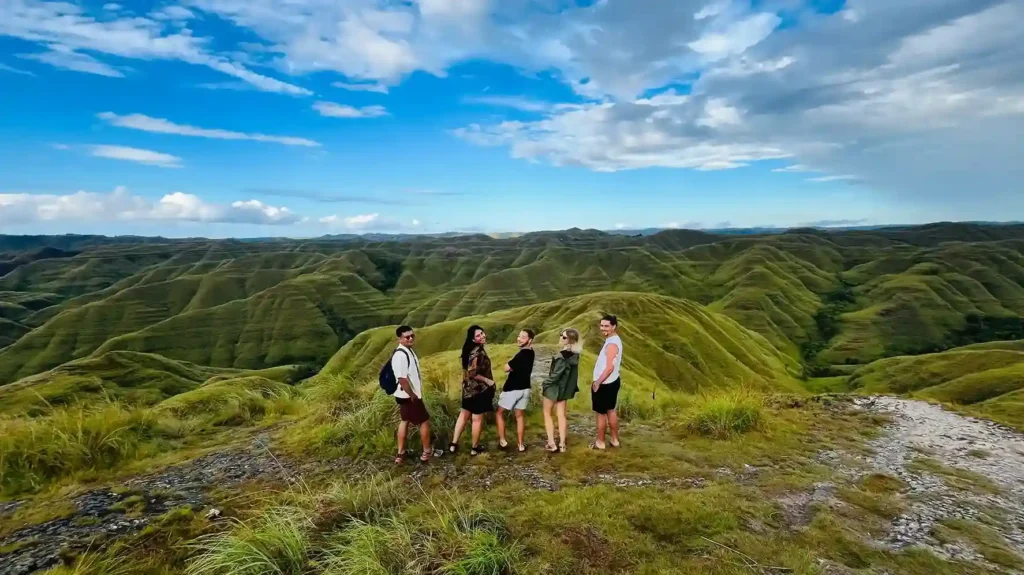
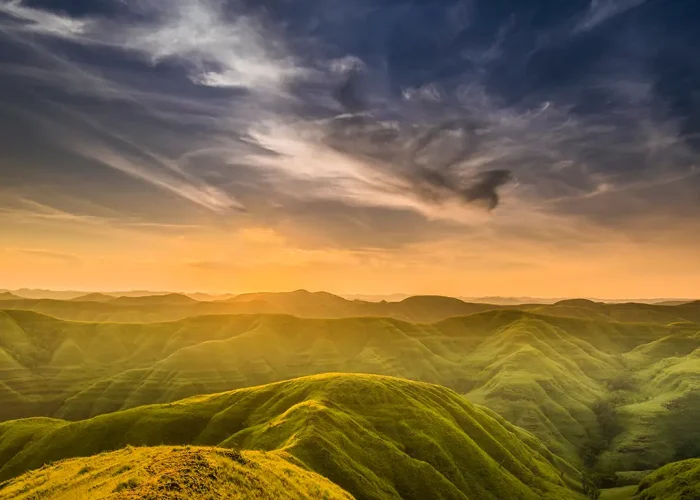
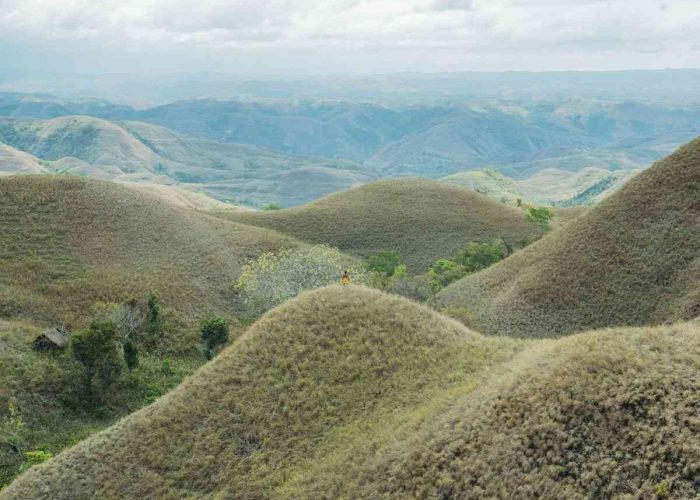
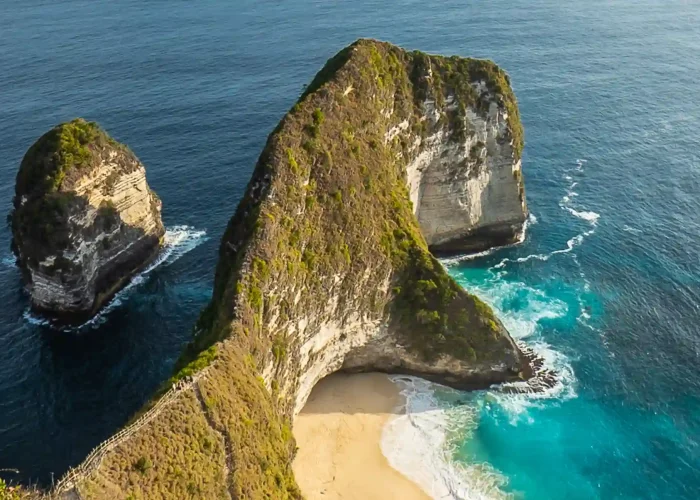
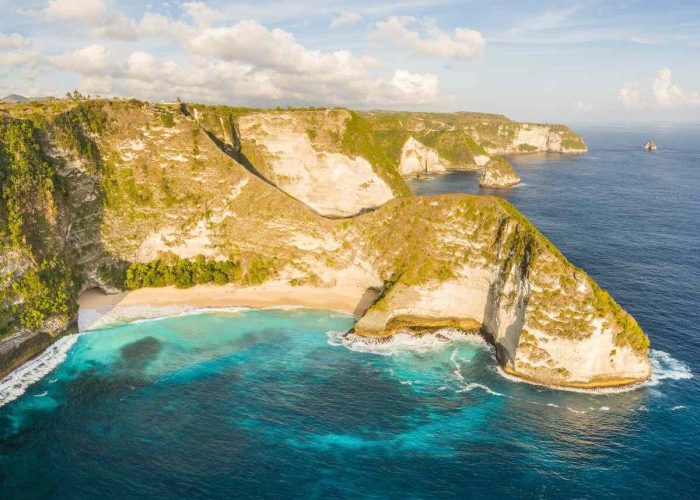
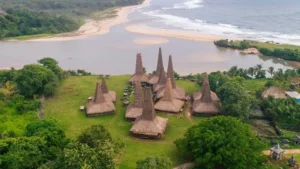
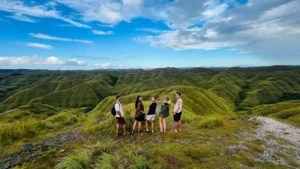
Sumba is one of the islands in East Nusa Tenggara (NTT) and is divided into four regencies: West Sumba, Southwest Sumba, Central Sumba, and East Sumba. The island is known for its landscapes of savannas, hills, beaches, and traditional villages that continue to preserve various local traditions. Beyond its natural scenery, Sumba also has a strong cultural heritage, including Marapu beliefs, traditional houses with towering roofs, ikat textiles, and the Pasola tradition.
Some of the well-known destinations in Sumba include Wairinding Hill, Ratenggaro Traditional Village, Praijing Traditional Village, and Weekuri Lagoon. So, if you want to experience a combination of natural landscapes and traditional culture in one trip, Sumba has a very distinctive character for you to explore.
Sumbawa
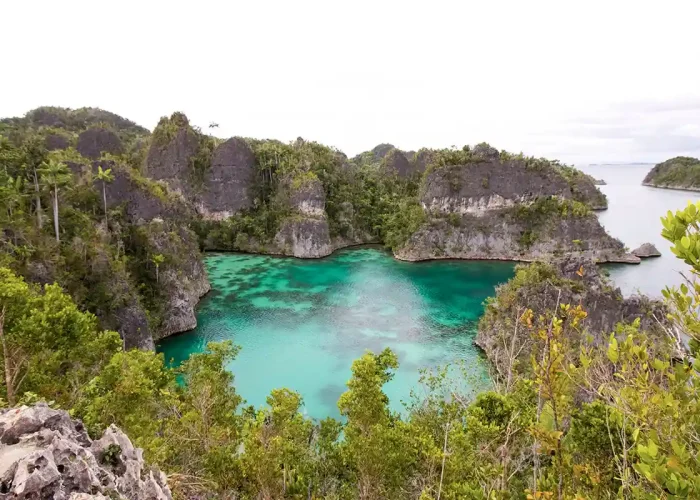
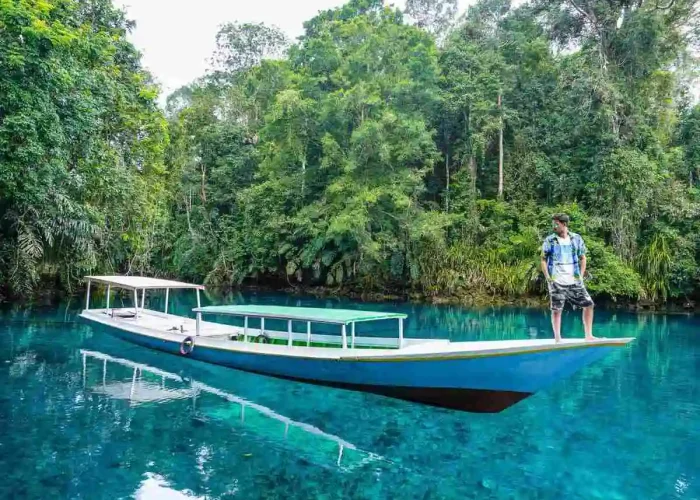
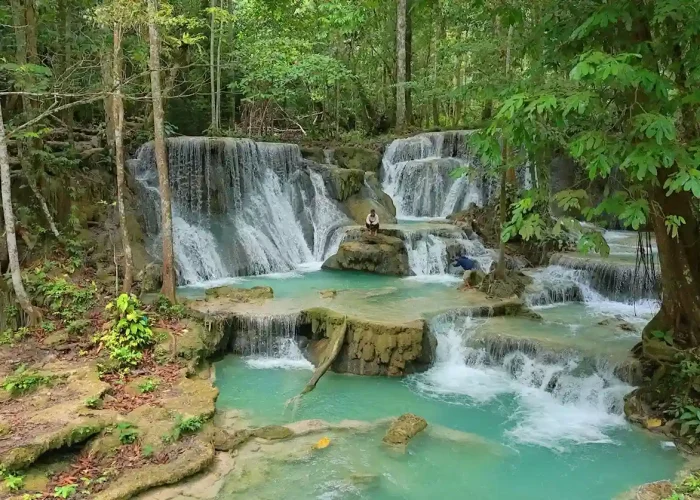
Sumbawa is an island in West Nusa Tenggara (NTB) whose territory includes Sumbawa Regency, West Sumbawa Regency, Dompu Regency, Bima Regency, and Bima City. Unlike Sumba, Sumbawa has a very diverse landscape, ranging from coastal areas and small islands to mountains and volcanic areas such as Mount Tambora.
The island also has a rich Samawa cultural heritage and a history connected to the Sumbawa Sultanate, which can be seen through historical sites such as Dalam Loka Palace in Sumbawa Besar. In terms of tourism, some well-known destinations include Moyo Island, Saleh Bay, Kenawa Island, Lakey Beach, and Mount Tambora. Because of this, Sumbawa can be an interesting choice if you want to combine nature, marine tourism, adventure, and cultural experiences in one trip.
Differences Between Sumba and Sumbawa You May Not Know
Sumba and Sumbawa are both located in the Nusa Tenggara region and have rich natural and cultural heritage, but they still have many differences, from their locations and communities to their traditions, architecture, and travel experiences. Their similar names often confuse, even though Sumba is located in NTT while Sumbawa is in NTB, and each island has its own distinct cultural identity.
Here are the differences between Sumba vs Sumbawa that you should know:
| Difference | Sumba | Sumbawa |
| Location & Province | East Nusa Tenggara (NTT), 4 regencies | West Nusa Tenggara (NTB), 4 regencies + 1 city |
| Culture | Marapu, traditional customs, and Sumbanese culture | Samawa culture and the heritage of the Sumbawa Sultanate |
| Traditional Architecture | Uma Mbatangu/Uma Bokulu, with a tall, towering roof | Dalam Loka Palace, a heritage site of the Sumbawa Sultanate |
| Horse-Riding Tradition | Pasola, a traditional mounted spear-fighting ritual | Maen Jaran, a traditional horse racing event |
| Weaving & Crafts | Sumba ikat weaving with distinctive regional motifs | Textiles and traditional crafts within Samawa culture |
| Travel Experience | Savannas, traditional villages, hills, and beaches | Small islands, marine tourism, beaches, and mountains |
1. They Are Located on Different Islands and in Different Provinces
The most fundamental difference between Sumba and Sumbawa can be seen in their geographical locations and administrative regions. Although both are part of the Nusa Tenggara region, they are located on different islands and in different provinces.
Here is what you need to know about the location of Sumba and Sumbawa:
- Sumba: Sumba Island is located in East Nusa Tenggara (NTT) and is divided into four regencies: West Sumba, Southwest Sumba, Central Sumba, and East Sumba. If you want to visit by air, the main access points are Tambolaka Airport in Southwest Sumba and Umbu Mehang Kunda Airport in East Sumba.
- Sumbawa: Sumbawa Island is located in West Nusa Tenggara (NTB) and includes Sumbawa Regency, West Sumbawa Regency, Dompu Regency, Bima Regency, and Bima City. Some of the air access points to Sumbawa Island include Sultan Muhammad Kaharuddin III Airport in Sumbawa Besar and Sultan Muhammad Salahuddin Airport in Bima.
2. They Have Different Ethnic Groups and Cultural Backgrounds
The cultures of Sumba and Sumbawa developed from different histories and ways of life, which is why the cultural identity of each island has its own characteristics. You can see the differences in their beliefs, community traditions, and cultural heritage that are still preserved today.
Here are some of the cultural differences between Sumba and Sumbawa:
- Sumba: Sumbanese communities have various traditions connected to Marapu, a traditional belief system that remains an important part of the cultural life of some Sumbanese communities. Its influence can be seen in various traditional rituals, traditional villages, traditional house architecture, and customs related to ancestors.
- Sumbawa: The people of Sumbawa have a Samawa cultural identity that plays an important role in the island’s social life and traditions. The history of the Sumbawa Sultanate has also influenced the development of local culture and left behind various historical and cultural legacies that can still be seen today.
3. They Have Different Traditional Houses and Architecture
The difference between traditional Sumbanese and Sumbawan houses can be seen in their shapes, functions, and cultural backgrounds. Traditional architecture in Sumba is closely connected to the lives of indigenous communities, while one of the most iconic buildings in Sumbawa is a heritage site from the Sumbawa Sultanate.
Here are the differences between traditional architecture in Sumba and Sumbawa:
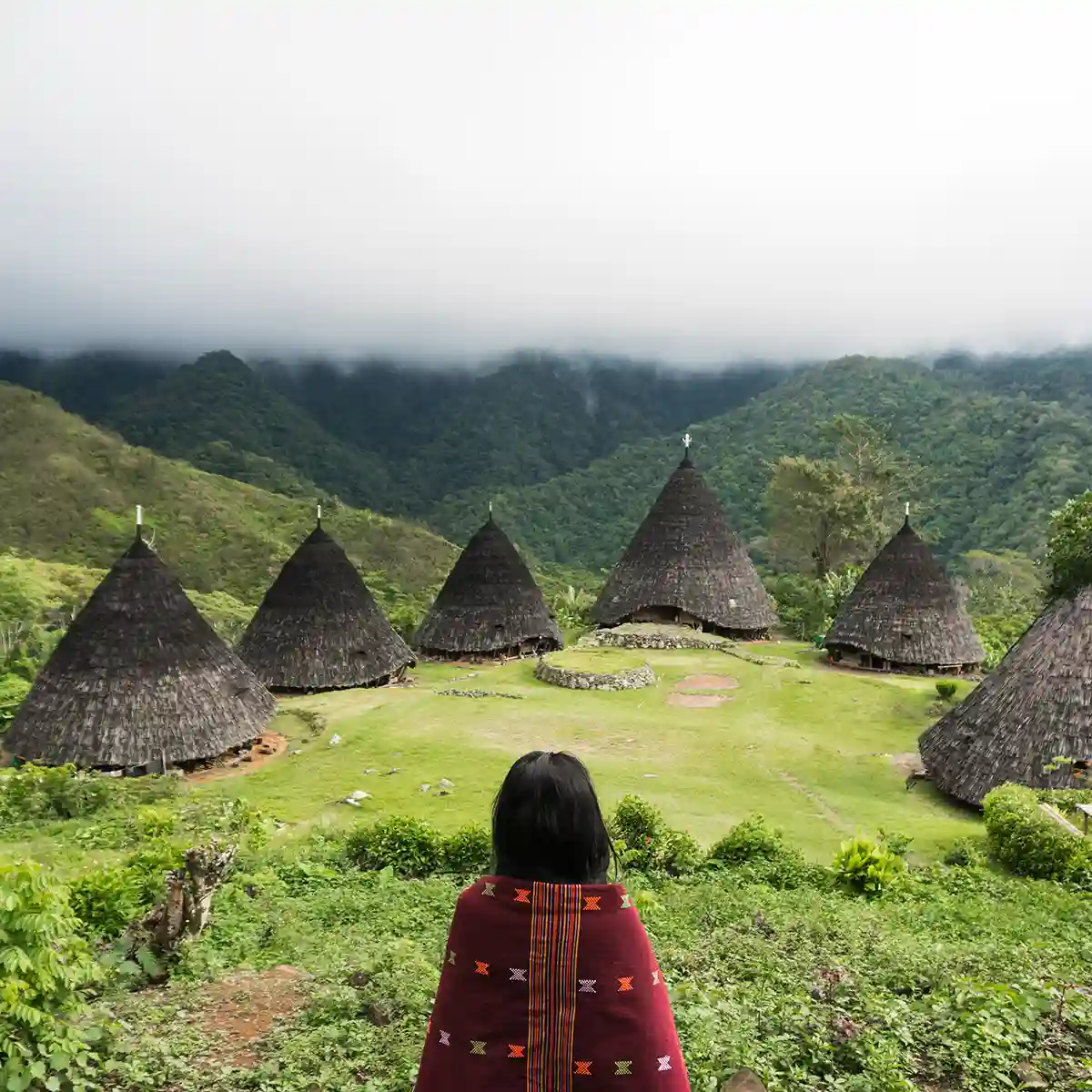
- Sumba: One of the island’s distinctive traditional houses is the Uma Mbatangu or Uma Bokulu, which has a tall, towering roof. The design of this house is closely connected to Sumbanese customs and beliefs, while also serving as an important part of the structure of traditional villages.
- Sumbawa: One of the best-known historical buildings is Dalam Loka Palace in Sumbawa Besar, which was once the palace of the Sumbawa Sultanate. This traditional stilt house is one of the historical sites that reflects the history and architectural heritage of the Sumbawa Sultanate.
Read more: Pasola Tradition in Sumba: A Meaningful and Fascinating Cultural War
4. They Have Different Horse-Riding Traditions
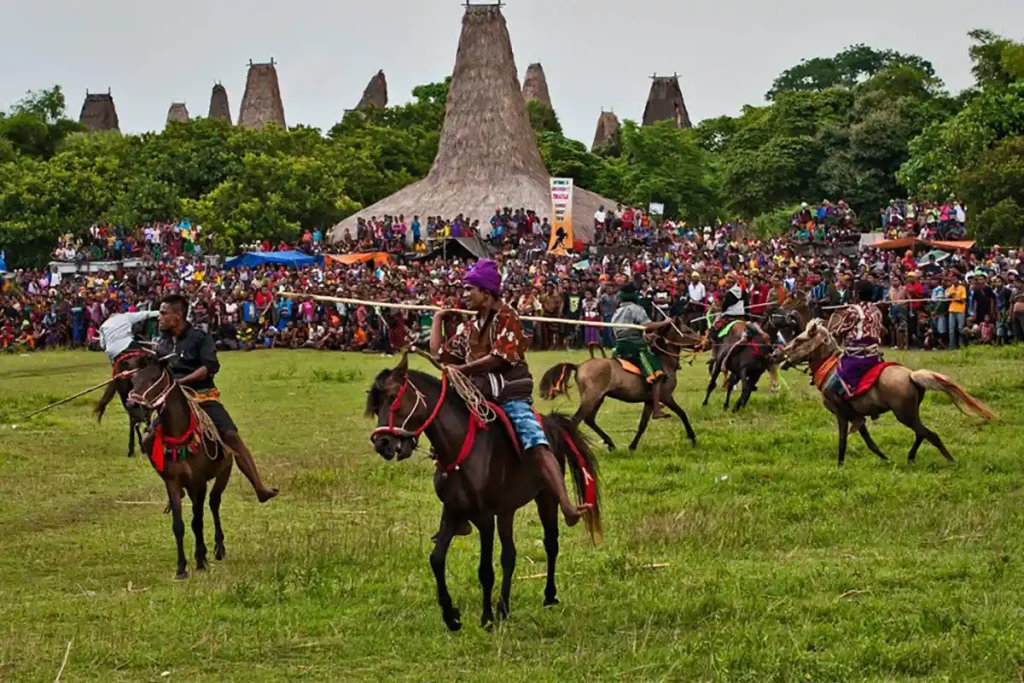
One interesting part of the difference between Sumba and Sumbawa is that both islands have traditions involving horses. However, the activities and cultural meanings behind them are different, so the horse-riding traditions on the two islands cannot simply be considered the same.
Here is the difference between the horse-riding traditions in Sumba and Sumbawa:
- Sumba: Sumba has Pasola, a traditional mounted spear-fighting ritual involving two groups of horse riders who use wooden spears. Pasola is part of a series of traditional rituals and has cultural and spiritual significance for the communities that practice it.
- Sumbawa: Sumbawa has Maen Jaran, a traditional horse racing event that developed as a form of folk entertainment. During the race, jockeys control racing horses as they compete to reach the finish line, and the event has become part of local community traditions.
5. They Have Different Weaving and Craft Traditions
If you’re interested in traditional crafts from Sumba and Sumbawa, both islands also have cultural products with different characteristics. Sumba has a particularly strong craft identity through its ikat weaving, while crafts in Sumbawa have developed within the broader context of Samawa culture.
Here are the differences between the weaving and craft traditions of Sumba and Sumbawa:
- Sumba: Sumba ikat weaving is one of the island’s best-known cultural heritages. Its motifs and production process are connected to the lives and cultural symbolism of local communities, and weaving skills continue to be passed down through generations in various parts of Sumba.
- Sumbawa: Sumbawa also has various traditional crafts that have developed within Samawa communities, including textiles and local handicrafts. However, compared with Sumba, Sumbawa’s cultural identity is not as strongly associated with a single type of textile as ikat weaving is in Sumba.
6. They Have Different Travel Experiences and Tourist Destinations
Tourist destinations in Sumba and Sumbawa both offer beautiful natural landscapes, but their scenery and travel experiences are not exactly the same. Sumba is more easily recognized for its combination of savannas, hills, beaches, and traditional villages, while Sumbawa has an incredibly diverse landscape, ranging from small islands to volcanic areas.
Here is an overview of the differences between tourist destinations in Sumba and Sumbawa:
- Sumba: Some destinations commonly associated with Sumba include Wairinding Hill, Ratenggaro Traditional Village, Praijing Traditional Village, and Weekuri Lagoon. If you enjoy scenic savannas while also learning about traditional culture and village life, Sumba’s travel experience has a particularly distinctive character.
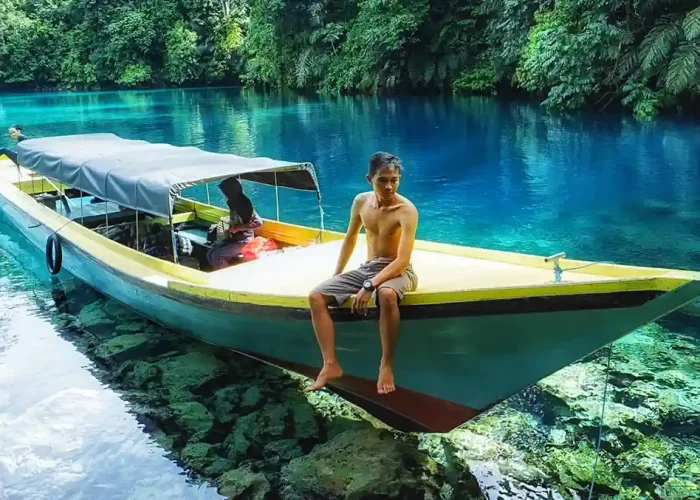
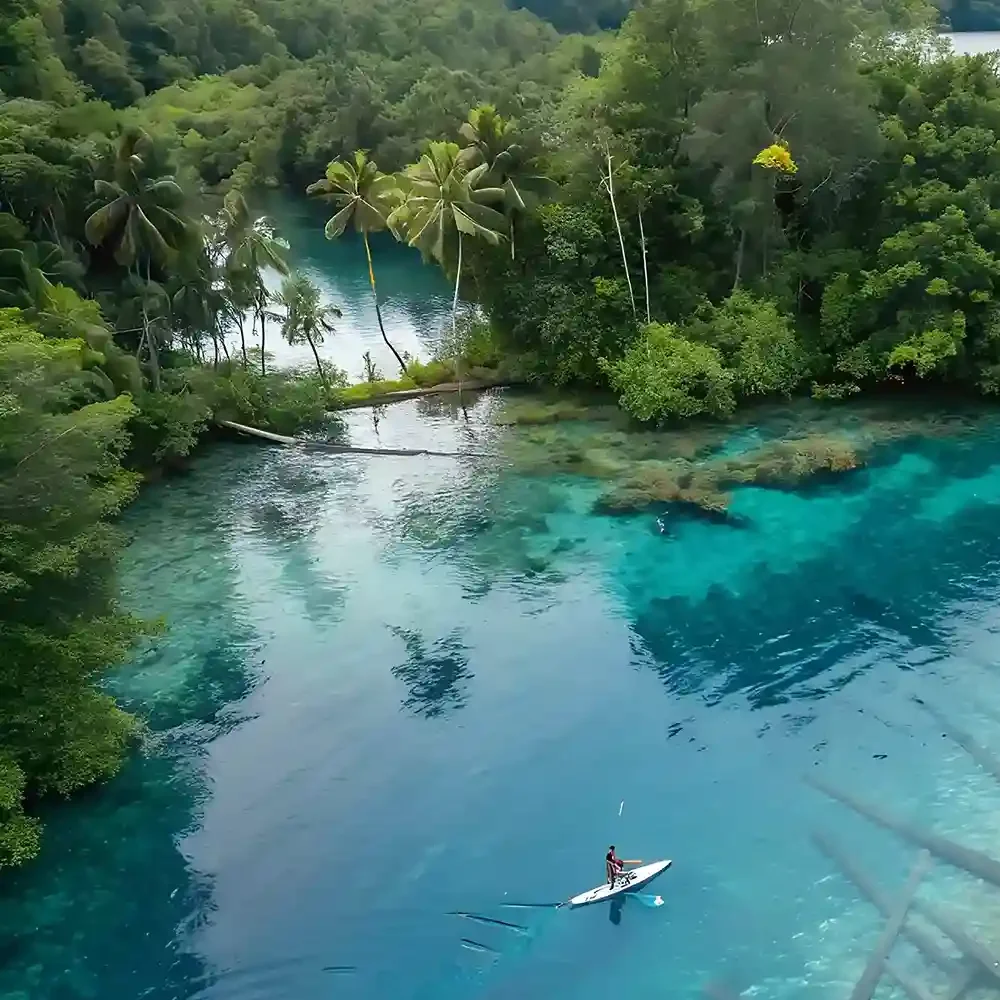
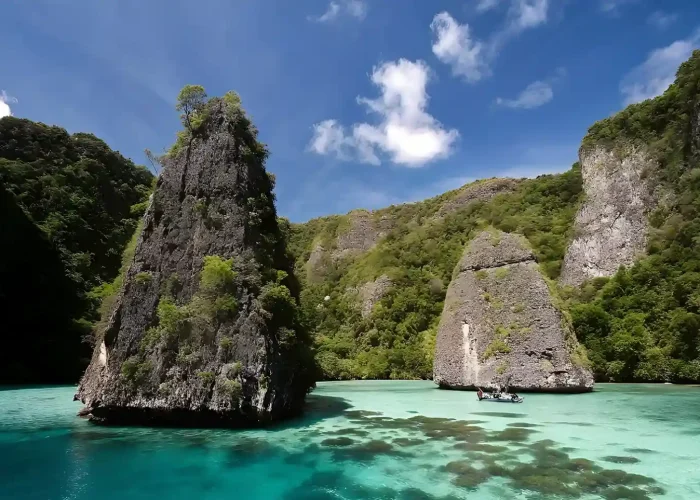
- Sumbawa: Sumbawa has destinations such as Moyo Island, Kenawa Island, Saleh Bay, Lakey Beach, and Mount Tambora. If you’re more interested in marine tourism, small islands, outdoor activities, and mountainous areas, Sumbawa offers a wide range of experiences to consider.
Sumba or Sumbawa: Which One Is Right for You?
Both Sumba and Sumbawa are great choices if you want to experience Indonesia’s natural beauty and culture, but the travel experiences they offer are quite different. If you’re interested in savannas, traditional villages, ikat weaving, Marapu traditions, and Sumbanese culture, a trip to Sumba may be a better match for your interests.
Meanwhile, if you’re more interested in marine tourism, diving, small islands such as Moyo and Kenawa, or adventures around Mount Tambora, Sumbawa has plenty of options to consider. So, instead of deciding which destination is better, it’s better to choose based on the kind of travel experience you actually want to have.
Read more: Complete Guide to a Exploring Sumba with IndonesiaJuara Trip
Plan Your Sumba Trip with IndonesiaJuara Trip!
After understanding the difference between Sumba and Sumbawa, you can now see that the two islands offer different travel experiences even though they are both located in the Nusa Tenggara region. Sumba is closely associated with Marapu culture, traditional villages, ikat weaving, traditional houses, and the Pasola tradition, while Sumbawa has its own Samawa cultural identity, the heritage of the Sumbawa Sultanate, and destinations such as Moyo, Kenawa, and Tambora. These differences are not about which island is better, but rather about the kind of experience you want to have during your trip.
If you decide to visit Sumba, you don’t have to worry about planning your trip entirely from scratch because IndonesiaJuara Trip offers Sumba open trips and private trips that you can choose based on your needs. You’ll also be accompanied by local guides who know Sumba’s destinations and conditions, making your trip more practical while helping you get closer to the local culture. Choose the trip type that suits you best, then contact our team for a consultation and book your Sumba tour with us.