17 Traditional Foods in East Nusa Tenggara You Must Try on Your Trip
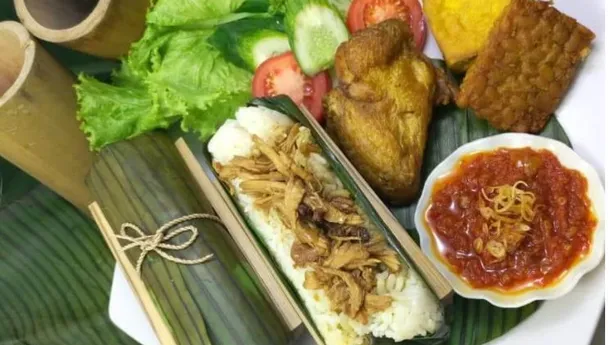
Kolo | Traditional Foods in East Nusa Tenggara | IndonesiaJuara Trip
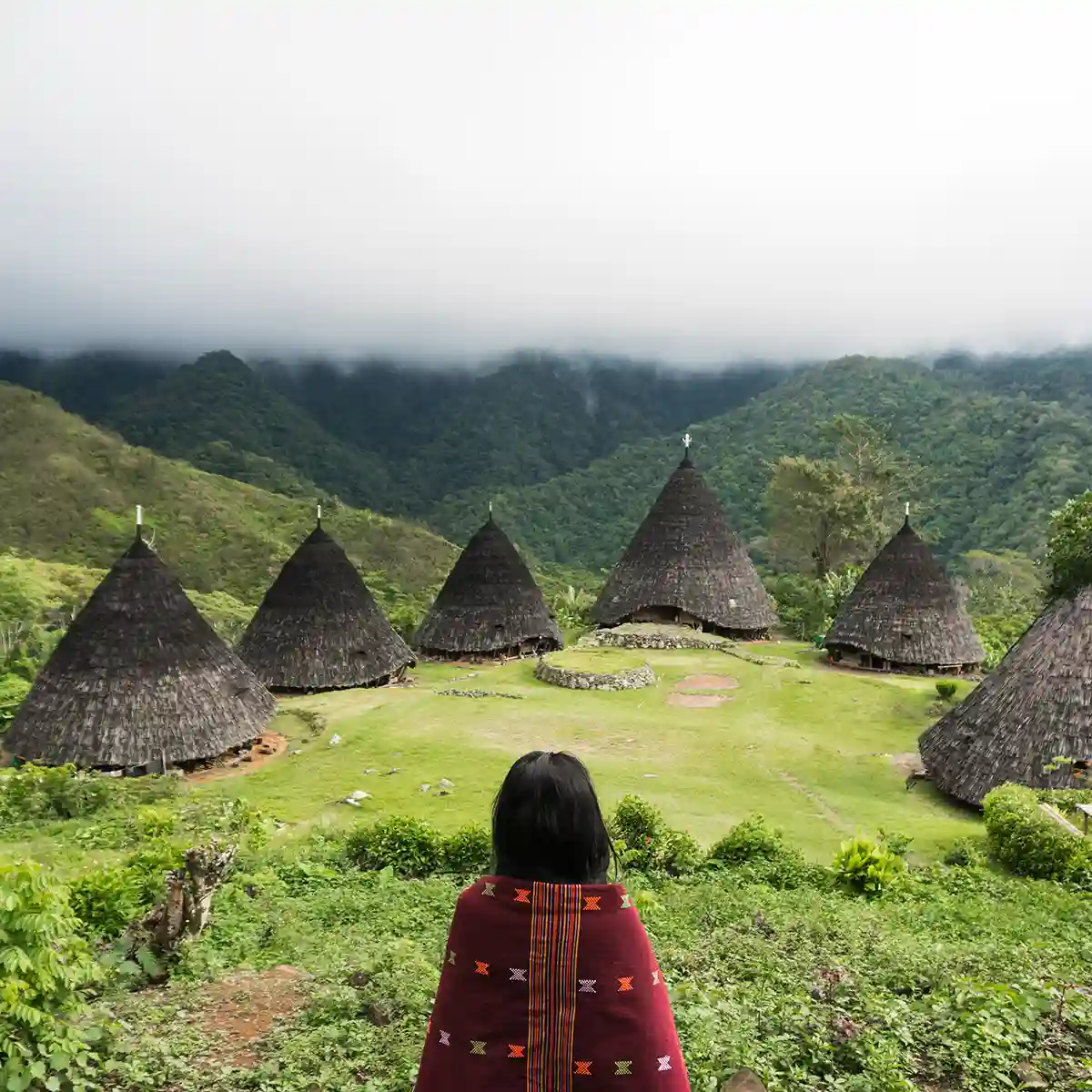
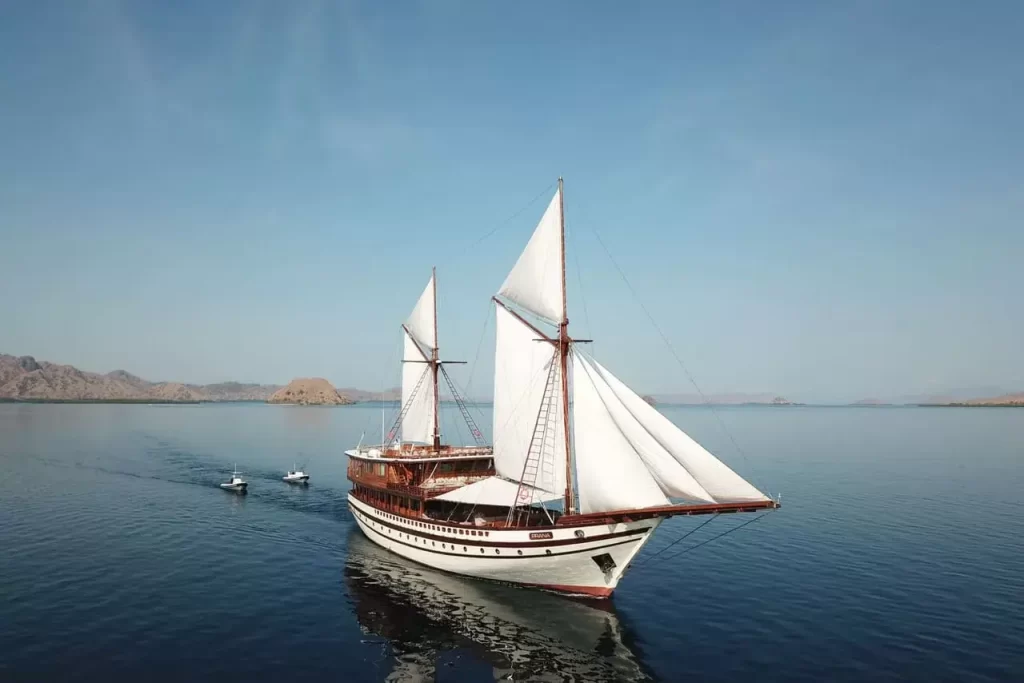
If you’re planning a trip to East Nusa Tenggara, your journey wouldn’t be complete without tasting its traditional cuisine. Beyond breathtaking destinations like Labuan Bajo, Flores, and Sumba, the region is home to a wide variety of traditional food in East Nusa Tenggara, from corn-based dishes and smoked meats to fresh seafood specialties that reflect the area’s rich culinary heritage.
With so many local specialties to choose from, you might be wondering which dishes are truly worth trying first or what foods are genuinely unique to East Nusa Tenggara. What are the must-try traditional dishes during your trip? In this guide, we’ll introduce some of the most popular traditional foods in East Nusa Tenggara, including where each dish comes from, what it tastes like, what makes it unique, and why it deserves a place on your culinary bucket list while exploring this beautiful province.
Table of Contents
Key Takeaways
- Traditional food in East Nusa Tenggara has a distinctive flavor shaped by local ingredients, traditional cooking techniques, and the unique cultural heritage of each region.
- There are many must try traditional dishes in East Nusa Tenggara, from Kolo, Jagung Bose, and Se’i Smoked Beef to Fish in Bilimbi Soup, each offering its own unique flavors and culinary traditions.
- Many traditional dishes in East Nusa Tenggara are still served during cultural ceremonies and prepared using recipes that have been passed down through generations, making them an important part of the region’s cultural identity.
- The best way to experience traditional food in East Nusa Tenggara is by tasting it in its place of origin, whether in Labuan Bajo, Flores, Sumba, Timor, Alor, or Sabu Raijua.
- Traveling with IndonesiaJuara Trip allows you to explore the best destinations across East Nusa Tenggara while enjoying authentic local cuisine through carefully curated Labuan Bajo Tour and Sumba Tour packages.
Why Do Traditional Foods in East Nusa Tenggara Taste So Unique?
The unique flavors of traditional food in East Nusa Tenggara are shaped by the region’s geography, natural ingredients, cultural heritage, and traditional cooking techniques that have been passed down through generations across different islands and communities.
Here are some of the reasons why East Nusa Tenggara cuisine stands out:
- Local ingredients such as corn, cassava, bananas, papaya leaves, and freshly caught seafood are widely used throughout the region.
- Traditional cooking methods are still preserved, including slow smoking over wood, cooking inside bamboo, gentle boiling, and grilling, all of which create distinctive aromas and flavors.
- Most dishes use simple seasonings, allowing the natural taste of each ingredient to shine and giving the food its authentic character.
- Every region has its own signature dish, from Se’i in Timor and Jagung Bose in Kupang to Kolo in Flores and Jagung Titi in Alor.
- Many traditional dishes are closely connected to local customs and cultural traditions, making them an important part of ceremonies, family celebrations, and welcoming guests as a symbol of togetherness and respect.
Traditional Foods in East Nusa Tenggara
Traditional food in East Nusa Tenggara includes a wide range of authentic dishes from Timor, Flores, Sumba, Alor, Rote, and many other islands. Each recipe reflects the region’s diverse cultures, local ingredients, and centuries of culinary traditions.
Here are 17 traditional dishes you should try to make your trip to East Nusa Tenggara even more memorable:
1. Kolo
Kolo is a traditional bamboo rice dish from Flores and one of the most distinctive examples of traditional food in East Nusa Tenggara. It is made by placing rice, coconut milk, water, and a pinch of salt inside a bamboo tube lined with banana leaves before being roasted over an open fire. This cooking method gives the rice a wonderfully fragrant aroma and a unique flavor. Besides being enjoyed as an everyday meal in some communities, Kolo is also commonly served during traditional ceremonies and celebrations as a symbol of togetherness.
What makes Kolo unique?
- Made by cooking rice inside bamboo.
- Has a distinctive smoky aroma from the bamboo roasting process.
- Commonly served with chicken, grilled fish, meat, or vegetables.
- Widely found in Flores and often featured during traditional ceremonies.
- Perfect for travelers who want to experience authentic East Nusa Tenggara cuisine.
2. Catemak Jagung
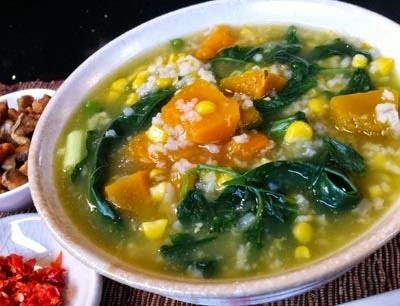
Catemak Jagung is a traditional soup made with corn, legumes, and assorted vegetables. This comforting dish is commonly found on Timor Island and is often enjoyed as an everyday meal because it is both filling and nutritious. Its naturally savory flavor comes from simple ingredients, making Catemak Jagung one of the traditional dishes that reflects the simplicity and resourcefulness of local communities.
What makes Catemak Jagung unique?
- Made with corn kernels, mung beans or peanuts, pumpkin, and various vegetables.
- Features a savory broth that is usually prepared without coconut milk, although some regions have their own variations.
- Commonly served as a home-cooked meal because it is rich in fiber and plant based protein.
- Highlights the important role of corn as one of the staple ingredients in East Nusa Tenggara.
- A great choice if you want to enjoy simple yet flavorful local specialties.
3. Jagung Bose
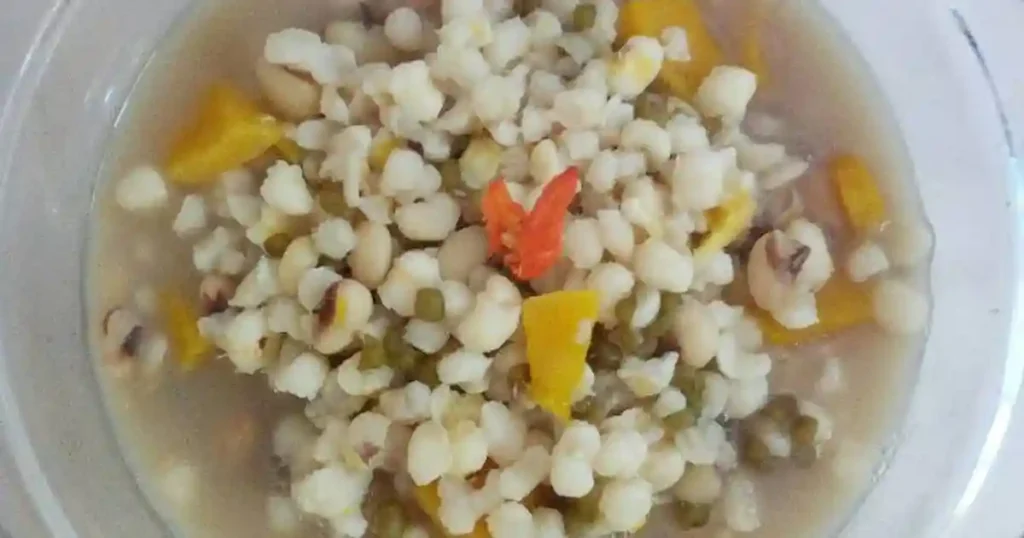
Jagung Bose is one of the most iconic examples of traditional food in East Nusa Tenggara, especially in Kupang and across Timor Island. The dish is made from white corn that is processed until tender, then cooked with legumes and coconut milk to create a rich, creamy texture. Today, Jagung Bose remains both a staple food and a special dish often served during family gatherings and to welcome guests.
What makes Jagung Bose unique?
- Made with white corn that is cooked until soft and tender.
- Prepared with coconut milk and red beans or peanuts.
- Commonly enjoyed with grilled fish, chicken, or Se’i.
- Considered one of the signature dishes of Kupang and Timor Island.
- Perfect for anyone who wants to taste one of the region’s traditional staple foods.
4. Se’i Smoked Beef
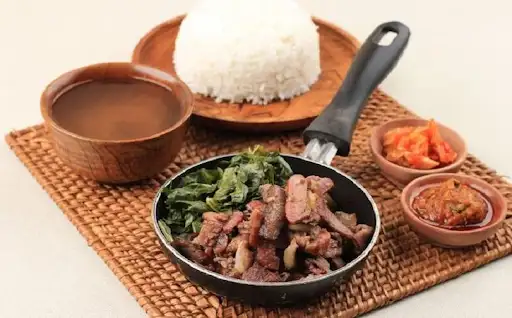
When talking about traditional food in East Nusa Tenggara, Se’i Smoked Beef is almost always at the top of the list. Se’i is made by slicing beef into long strips, seasoning it with simple spices, and slowly smoking it over aromatic wood, especially kosambi wood, which gives the meat its signature smoky aroma. Today, Se’i is not only famous in East Nusa Tenggara but has also become one of Indonesia’s most well-known regional specialties.
What makes Se’i Smoked Beef unique?
- Prepared using a traditional smoking technique that creates its distinctive smoky flavor.
- Commonly served with Sambal Lu’at and stir-fried cassava leaves or papaya flowers.
- Besides beef, pork versions are also available in some non-Muslim communities.
- Originates from the culinary traditions of Timor and the Rote Islands.
- One of the most famous traditional dishes from East Nusa Tenggara.
5. Kue Jawada
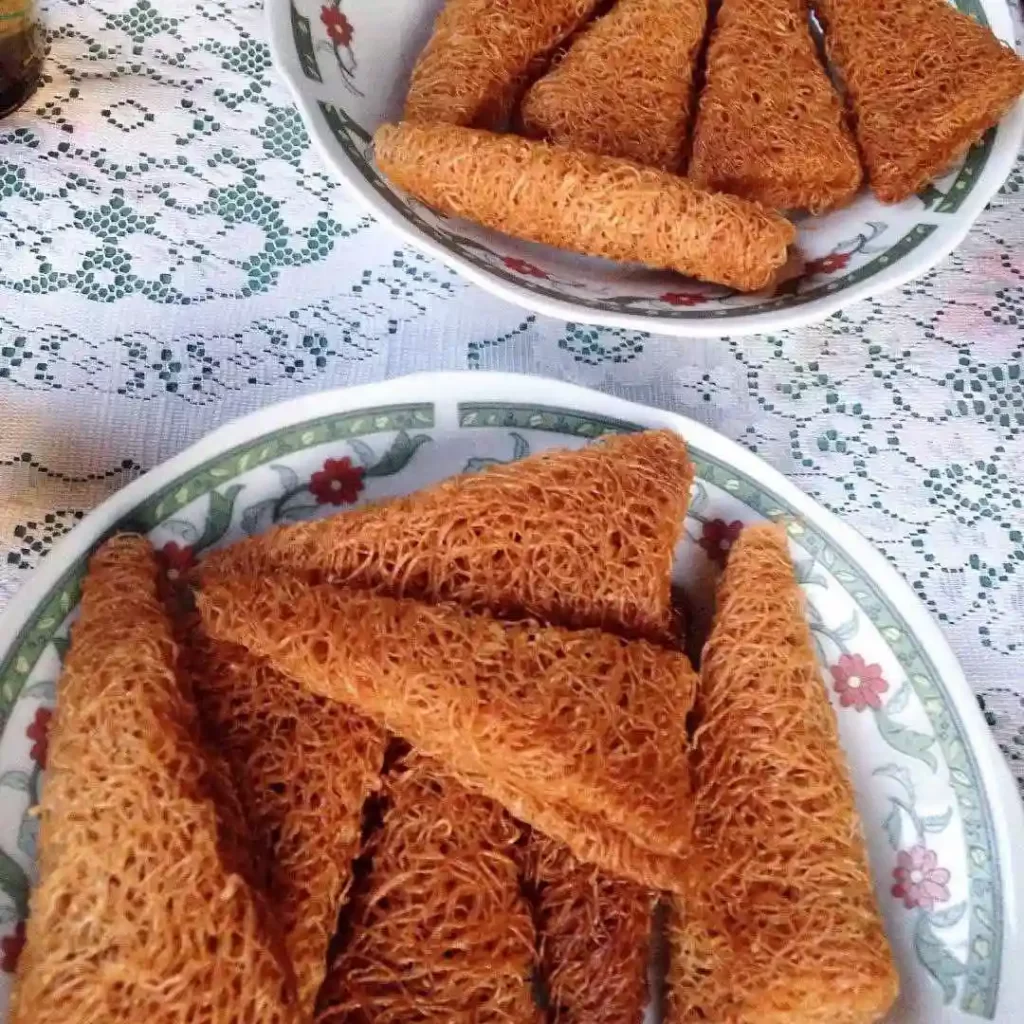
Kue Jawada is a traditional snack from Kupang that is famous for its delicate strands, earning it the nickname “hair cake.” It is made from rice flour, palm sugar, coconut milk, and water, which are poured through a special mold before being deep fried until crispy. Its sweet flavor and crunchy texture make Kue Jawada a popular snack as well as one of the favorite souvenirs to bring home from East Nusa Tenggara.
What makes Kue Jawada unique?
- Nicknamed “hair cake” because of its distinctive shape.
- Made from rice flour, palm sugar, and coconut milk.
- Crispy texture with a naturally sweet flavor.
- Commonly found in Kupang and sold as a popular local souvenir.
- Best enjoyed with a cup of Flores coffee or tea.
6. Jagung Titi
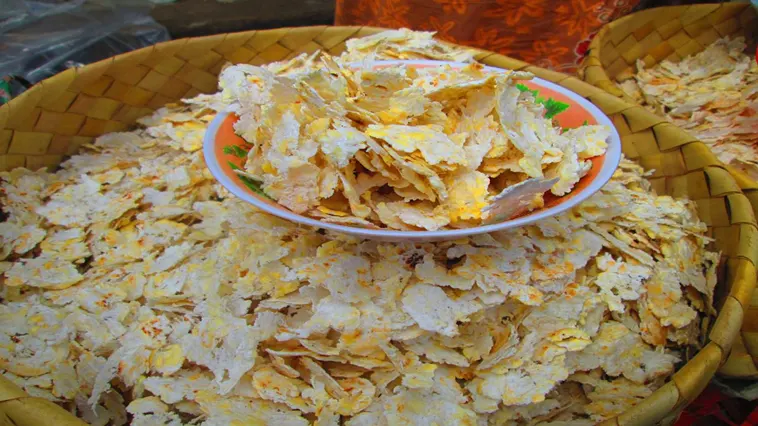
Jagung Titi is a traditional snack from Alor Regency in East Nusa Tenggara. The corn is first roasted, then flattened by hand using stones until it becomes thin and crispy, similar to a corn cracker. It can be enjoyed on its own or served with coffee or tea. Since it is still made using traditional methods, Jagung Titi has become one of the region’s most popular local souvenirs.
What makes Jagung Titi unique?
- Originates from Alor Regency, not Flores.
- Made by roasting corn before flattening it with stones.
- Has a naturally savory flavor and a crispy texture.
- Long shelf life, making it an excellent souvenir.
- One of the most popular traditional snacks in East Nusa Tenggara.
7. Rumpu Rampe
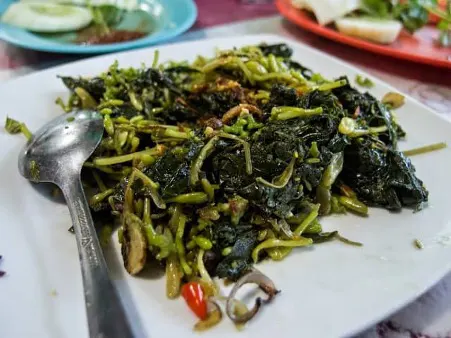
Rumpu Rampe is a traditional vegetable dish that showcases the simplicity and freshness of traditional food in East Nusa Tenggara. It is made with papaya flowers, papaya leaves, cassava leaves, or moringa leaves, which are stir-fried with simple seasonings and anchovies. The combination of savory flavors with a slight bitterness is exactly what makes this dish so loved by local communities. Although it may look simple, Rumpu Rampe is highly nutritious thanks to its variety of locally grown vegetables.
What makes Rumpu Rampe unique?
- Made primarily with papaya flowers and papaya leaves.
- Usually cooked with anchovies for extra savory flavor.
- Rich in fiber, vitamins, and nutrients from local vegetables.
- Commonly served as a homemade dish throughout East Nusa Tenggara.
- Best enjoyed with warm rice and grilled fish.
8. Pelepah Manuk
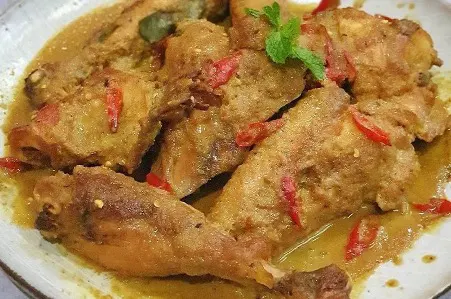
Pelepah Manuk is a traditional chicken dish from Timor Island that is commonly served during traditional ceremonies and family celebrations. In the Timorese language, manuk means chicken, and the dish is usually prepared using free-range chicken simmered in coconut milk and aromatic spices until the flavors are fully absorbed. Its rich, savory taste makes it especially delicious when paired with Jagung Bose or steamed rice.
What makes Pelepah Manuk unique?
- Originates from Timor Island and is closely associated with traditional Timorese cuisine.
- Made with free-range chicken cooked in coconut milk and spices.
- Commonly served during traditional ceremonies and family celebrations.
- Features a rich, savory broth with fragrant spices.
- Pairs perfectly with Jagung Bose.
9. Sambal Lu’at
Sambal Lu’at is a traditional chili condiment that is almost always served alongside Se’i and is considered an essential part of East Nusa Tenggara cuisine. It is made from fresh chilies, shallots, salt, lime or local citrus, and lu’at leaves, which give the sambal its signature aroma and refreshing flavor. Its spicy, tangy, and fresh taste perfectly balances the richness of smoked meat dishes.
What makes Sambal Lu’at unique?
- The classic accompaniment to Timorese Se’i.
- Offers a combination of spicy, fresh, and slightly tangy flavors.
- Made with lu’at leaves, which create its distinctive aroma.
- Prepared using fresh ingredients without preservatives.
- An important condiment in many traditional dishes from East Nusa Tenggara.
Read more: 5 NTT Traditional Houses Full of Philosophy You Should Know
10. Ubi Nuabosi
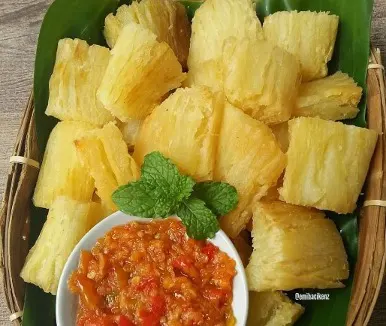
Ubi Nuabosi is a well-known local variety of sweet potato grown in Nuabosi Village, Ende Regency, Flores. It is prized for its softer texture and naturally sweeter taste compared to ordinary sweet potatoes. The potatoes are usually boiled, steamed, or roasted before being served as a snack or side dish. Thanks to its exceptional quality, Ubi Nuabosi has become one of Flores’ best-known local agricultural products.
What makes Ubi Nuabosi unique?
- Grown in Nuabosi Village, Ende Regency, Flores.
- Naturally sweet with a soft, smooth texture.
- Can be boiled, steamed, or roasted.
- One of Flores’ signature agricultural products.
- Delicious when enjoyed with a cup of Flores coffee or warm tea.
11. Muku Loto
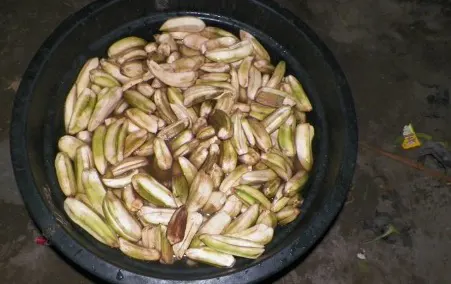
Muku Loto is a traditional dish from Flores made primarily from unripe bananas. The bananas are boiled until tender, then mashed or pounded before being served as a side dish during certain traditional ceremonies. Although it is becoming increasingly rare outside local communities, Muku Loto remains an important part of the culinary heritage and traditional food in East Nusa Tenggara that continues to be preserved.
What makes Muku Loto unique?
- Made from unripe bananas that are boiled until soft.
- Has a smooth texture and a mild, delicate flavor.
- Still served during certain traditional ceremonies in Flores.
- Demonstrates how local communities make use of homegrown produce.
- One of the region’s traditional dishes that is becoming increasingly rare.
12. Manggulu
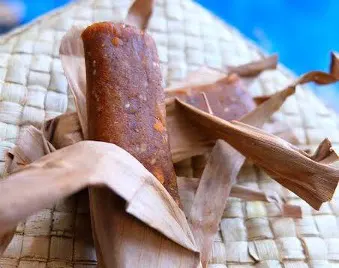
Manggulu is a traditional sweet snack from Flores made with ripe bananas, roasted peanuts, and palm sugar. The ingredients are mixed together until well combined, shaped into long bars, and wrapped in banana leaves, giving it an appearance similar to traditional Indonesian dodol. Besides its naturally sweet and nutty flavor, Manggulu is also quite filling, making it a popular travel snack among local communities.
What makes Manggulu unique?
- Made from ripe bananas, roasted peanuts, and palm sugar.
- Has a dense texture with a naturally sweet flavor.
- Wrapped in banana leaves.
- Popular as both a snack and a souvenir from Flores.
- One of the best-known banana-based traditional foods in East Nusa Tenggara.
13. Ka’pu Pantunnu
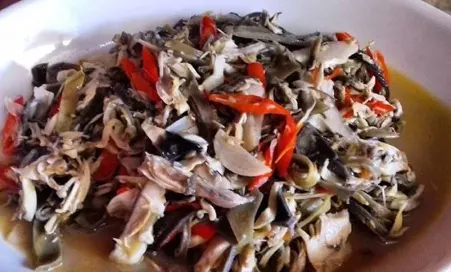
Ka’pu Pantunnu is a traditional dish from Sabu Island that uses banana blossom as its main ingredient. The banana blossom is first grilled to enhance its aroma, then finely chopped and mixed with seasoned grated coconut and fresh basil leaves. The combination of smoky fragrance and savory flavors makes this one of the most distinctive traditional dishes in East Nusa Tenggara.
What makes Ka’pu Pantunnu unique?
- Originates from Sabu Island in Sabu Raijua Regency.
- Made with grilled banana blossom.
- Mixed with seasoned grated coconut and basil leaves.
- Has a distinctive smoky aroma.
- Still commonly served during traditional ceremonies and community celebrations.
14. Wollapa
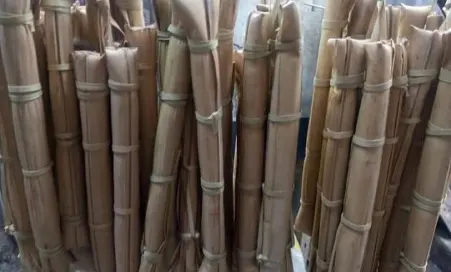
Wollapa is a traditional cake from the Sabu Raijua community made from rice flour, palm sugar, and grated coconut. The mixture is wrapped in dried corn husks before being steamed, creating a soft texture and a simple, naturally sweet flavor. It is often enjoyed as a snack during family gatherings and traditional ceremonies. Although it is not yet widely known among travelers, Wollapa remains one of the traditional foods that local communities continue to preserve.
What makes Wollapa unique?
- Originates from Sabu Raijua Regency.
- Made from rice flour, palm sugar, and grated coconut.
- Wrapped in dried corn husks before steaming.
- Soft texture with a naturally sweet taste.
- Frequently served during family gatherings and traditional ceremonies.
15. Fish in Bilimbi Sour Soup
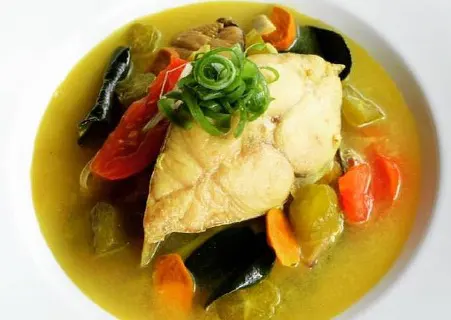
As an island province, East Nusa Tenggara is famous for its fresh seafood, and Fish in Bilimbi Sour Soup is one of its signature dishes. It is typically prepared with fresh mackerel, tuna, snapper, or other local fish cooked with bilimbi, tomatoes, lemongrass, turmeric, and aromatic spices. The result is a light, refreshing broth with a perfect balance of tangy and savory flavors, making it an ideal choice for lunch.
What makes Fish in Bilimbi Sour Soup unique?
- Made with freshly caught sea fish.
- Features a refreshing broth flavored with bilimbi.
- Seasoned with turmeric, lemongrass, shallots, tomatoes, and other spices.
- Commonly found in coastal areas throughout East Nusa Tenggara.
- Best enjoyed with steamed rice and sambal.
16. Lawar Ikan
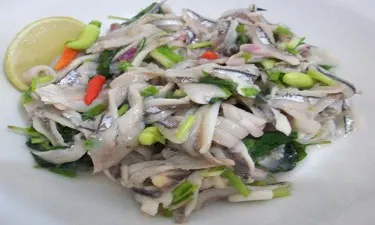
Lawar Ikan is a traditional seafood dish enjoyed by coastal communities in several parts of East Nusa Tenggara. Fresh fish such as skipjack tuna or mackerel tuna is thinly sliced and mixed with lime juice, vinegar, chilies, shallots, and spices, creating a refreshing dish without requiring prolonged cooking. It highlights how local communities transform freshly caught seafood into simple yet flavorful traditional food in East Nusa Tenggara.
What makes Lawar Ikan unique?
- Made with fresh sea fish such as skipjack tuna or mackerel tuna.
- Flavored with lime juice and aromatic spices for a refreshing taste.
- Not cooked over high heat like many traditional soup dishes.
- A signature seafood specialty from coastal communities.
- Best enjoyed while the fish is at its freshest.
17. Karmanaci
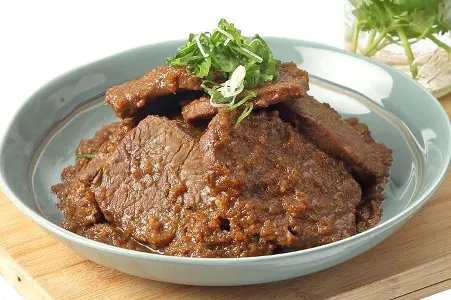
Karmanaci is a traditional beef dish from East Nusa Tenggara made by slowly cooking beef with sweet soy sauce, shallots, nutmeg, cloves, cinnamon, and various spices until the flavors are fully absorbed. At first glance, it resembles Indonesian beef stew, but its taste is richer thanks to the influence of European culinary traditions combined with local spices. Today, Karmanaci is still commonly served during family gatherings, celebrations, and special occasions as one of the region’s signature dishes.
What makes Karmanaci unique?
- Made with tender, slow-cooked beef.
- Offers a rich combination of savory, sweet, and aromatic spice flavors.
- Influenced by European culinary traditions introduced to Timor.
- Commonly served during family celebrations and festive occasions.
- Delicious when paired with steamed rice or Jagung Bose.
Read more: 24 Beautiful and Captivating Tourist Attractions in NTT
Tips for Enjoying Traditional Food in East Nusa Tenggara During Your Trip
Experiencing traditional food in East Nusa Tenggara becomes even more memorable when you try each dish in its place of origin and stay open to tasting local specialties you may have never encountered before. Every island has its own unique culinary traditions, making food an essential part of exploring the region.
Here are a few tips to make your culinary journey in East Nusa Tenggara even more rewarding:
- Try local specialties where they originated. Many dishes taste their most authentic when enjoyed in their hometowns, such as Se’i on Timor Island, Kolo in Flores, or Jagung Titi in Alor.
- Visit local restaurants or family run eateries. Besides being more affordable, these places often serve authentic East Nusa Tenggara cuisine prepared with traditional recipes and locally sourced ingredients.
- Don’t skip corn based dishes. Corn is one of the region’s staple foods, so dishes like Jagung Bose and Catemak Jagung deserve a place on your must try list.
- Ask about the ingredients and spice level. Some traditional dishes in East Nusa Tenggara are prepared with local ingredients or chilies that may be unfamiliar to visitors. Asking beforehand can help you choose dishes that match your preferences.
- Bring home local food souvenirs. If you come across long lasting specialties like Jagung Titi or Kue Jawada, be sure to take some home so you can continue enjoying the flavors of East Nusa Tenggara even after your trip ends.
Enjoy an Unforgettable Holiday While Tasting Traditional Food in East Nusa Tenggara with IndonesiaJuara Trip
There are still many more examples of traditional food in East Nusa Tenggara that haven’t been covered in this list, as every island and region across the province has its own unique culinary traditions and local specialties. The best way to truly experience these authentic flavors is to taste them where they originated, from Labuan Bajo and Flores to Sumba. Along the way, you’ll not only enjoy freshly prepared local dishes but also gain a deeper appreciation for the culture and traditions behind every recipe.
If you’re planning a trip to East Nusa Tenggara, IndonesiaJuara Trip is ready to help you create a journey that is seamless, comfortable, and truly memorable. With carefully designed Labuan Bajo Tour and Sumba Tour packages, you’ll do more than visit iconic destinations across Labuan Bajo, Flores, and Sumba. You’ll also have the opportunity to experience some of the region’s most authentic traditional dishes throughout your adventure. Book your trip with IndonesiaJuara Trip today and discover the spectacular landscapes and rich culinary heritage of East Nusa Tenggara in one unforgettable journey.