10 Tips for Swimming Safely with Stingless Jellyfish in Kakaban Lake You Should Know
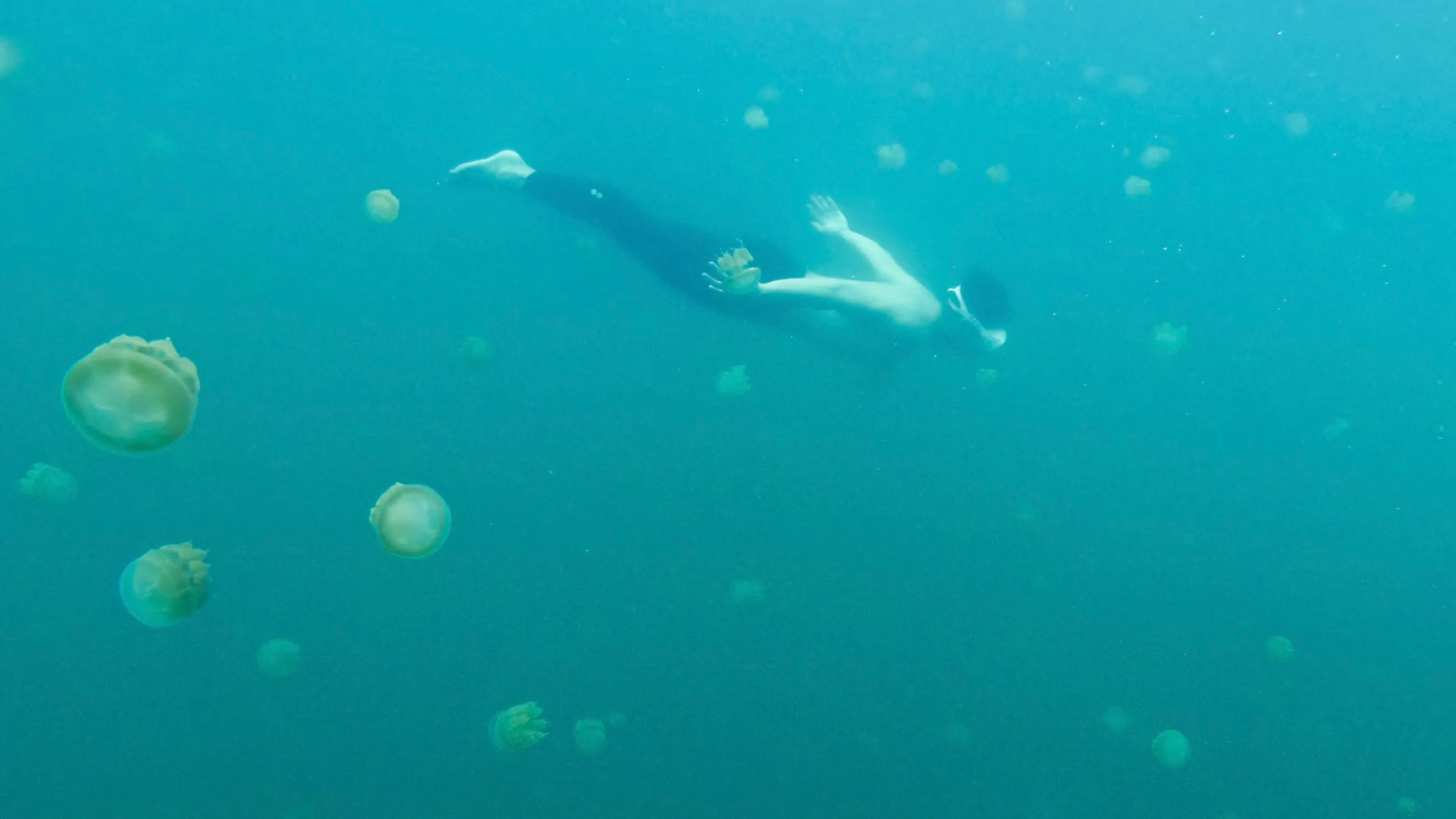
Kakaban Lake Derawan | Derawan Tour | IndonesiaJuara Trip
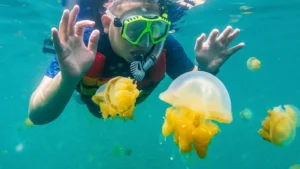
Swimming alongside thousands of stingless jellyfish in Kakaban Lake is one of the most unique natural experiences you can have in Indonesia. Unlike regular snorkeling trips, here you get to float right in the middle of a natural habitat where these stingless jellyfish have adapted over thousands of years within a closed saltwater lake ecosystem. Still, many travelers wonder, “If the jellyfish don’t sting, is there really anything I need to be careful about while swimming with them?”
The answer is yes, there is. Even though the jellyfish in Kakaban Lake are known to be safe to observe up close, you still need to understand the right way to interact with them so you don’t disturb their lives or damage the ecosystem they depend on. This article covers practical tips for swimming safely with stingless jellyfish in Kakaban Lake so your experience stays comfortable, safe, and responsible.
Table of Contents
Key Takeaways
- Swimming with stingless jellyfish in Kakaban Lake is safe as long as you understand the lake’s conditions and follow the guidelines in place during your visit.
- Keeping your distance, avoiding touching the jellyfish, and swimming with slow, gentle movements are the main ways to protect Kakaban’s jellyfish habitat while still enjoying a comfortable experience.
- Skipping sunscreen, bringing the right gear, and entering through the official path all help keep the environment at Kakaban Jellyfish Lake as natural as possible.
- Following your local guide’s instructions and avoiding mistakes like chasing jellyfish or getting too close for photos makes your swim safer and more responsible.
- Keeping the area clean and respecting Kakaban Lake’s ecosystem ensures this unique natural attraction stays preserved for future visitors.
Is It Safe to Swim With Stingless Jellyfish in Kakaban Lake?
Yes, swimming with stingless jellyfish in Kakaban Lake is safe as long as you follow the visitor guidelines in place. The jellyfish species living in this lake have adapted to their enclosed environment over time, which is why they no longer carry the strong stings found in some open ocean species. That said, you still need to be careful, since their bodies are extremely delicate and human activity can easily throw off the ecosystem’s balance. Understanding the right way to interact with them is really what makes the difference between a comfortable swim for you and a safe habitat for the jellyfish.
Tips for Swimming Safely With Stingless Jellyfish in Kakaban Lake
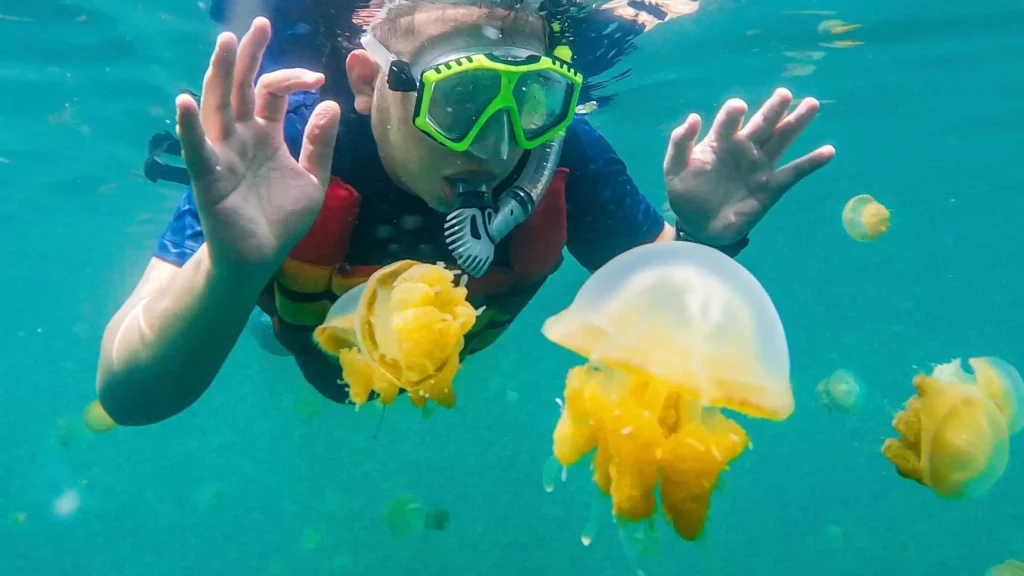
To make the most of your swim with the jellyfish in Kakaban Lake, you need to treat this place like the natural habitat it is, not just another tourist stop. Every guideline here exists for one simple reason, to protect the jellyfish while still letting you enjoy this rare moment without leaving a negative mark on the surrounding environment.
Here are the tips for swimming safely with stingless jellyfish in Kakaban Lake that you should know before you go:
1. Understand the Conditions of Kakaban Lake
Before you swim with the stingless jellyfish in Kakaban Lake, it helps to understand what makes this place different from anywhere else. The lake has a completely different character from open water since it’s a closed saltwater ecosystem that serves as the natural home for several unique organisms.
Getting familiar with the lake’s conditions will help you adjust how you swim and prepare yourself before getting in the water. Here’s what you should know beforehand:
- The jellyfish here live in a natural environment that needs to be protected.
- Water movement and surrounding conditions differ from typical ocean snorkeling spots.
- Tourism activities need to be carried out in a way that doesn’t disrupt the habitat.
Once you understand the lake’s characteristics, you can enjoy your time at Jellyfish Lake Kakaban more comfortably while also seeing why each rule during your visit exists in the first place.
2. Avoid Wearing Sunscreen
Skipping sunscreen before entering Kakaban Lake is one of the most important steps for protecting the water quality. Unlike open ocean water with much broader circulation, Kakaban Lake is a closed ecosystem, meaning chemicals from body care products can linger in the water far longer than they would elsewhere.
Before swimming, it’s best to:
- Apply sunscreen only after you’re done with your time in the lake.
- Rinse off beforehand if you’ve already applied lotion, perfume, or other chemical-based products.
- Avoid bringing unnecessary products into the water with you.
This simple habit goes a long way in protecting Kakaban Lake’s ecosystem, helping it stay an ideal environment for the jellyfish and other organisms living there.
3. Bring the Right Gear
Packing the right equipment makes your swim in Kakaban Lake far more comfortable without disturbing the jellyfish’s natural movement. You don’t need much gear here compared to regular ocean snorkeling, since the main activity is simply observing and swimming slowly around the jellyfish.
Here’s what you should bring along:
- A snorkel mask so you can see the jellyfish clearly.
- A dry bag to keep your personal belongings safe.
- An underwater camera to capture the moment from a safe distance.
Skip fins or flippers, since their kicking motion can accidentally strike the jellyfish. With minimal gear, you can still fully enjoy snorkeling in Kakaban Lake without putting extra pressure on its ecosystem.
4. Enter Through the Official Path
Using the designated entry point is a simple way to help protect the area around Kakaban Lake. The access route to the lake is designed specifically so tourist activity doesn’t damage the lake’s edges or the surrounding zones where various organisms live. Once you arrive at the site, just follow the marked path and stay out of any restricted areas set by the site managers.
Besides protecting the environment, this also keeps your swim safer since you’ll already be within the area approved for visitors. By sticking to the official access route, you’re supporting responsible tourism in Kakaban while helping preserve this unique ecosystem for the long run.
5. Swim Slowly
Moving slowly through the water is the best way to enjoy Kakaban Lake without disturbing the jellyfish around you. Unlike swimming in a pool or the open sea, this environment calls for calmer movements since jellyfish bodies are extremely soft and can easily get pushed around by strong water motion. While you’re in the lake, avoid swinging your arms or legs excessively.
Try to move at a relaxed pace, let the jellyfish come to you on their own, and simply enjoy the moment as they drift around you. Besides being safer for the stingless jellyfish of Kakaban, swimming slowly also gives you a clearer view of their natural movement patterns. The experience feels far more genuine this way, since you’re not chasing the jellyfish but rather becoming a quiet part of the environment they call home.
Read more: Kakaban Lake: A Unique Experience Swimming with Stingless Jellyfish
6. Don’t Touch the Jellyfish
Avoid touching the jellyfish even though they appear harmless and don’t carry a sting dangerous to humans. A common mistake visitors make is assuming the jellyfish in Kakaban Lake can be handled freely simply because they’re stingless, when in reality their bodies are extremely fragile and vulnerable to pressure or contact. While swimming, let the jellyfish move freely around you without trying to guide, lift, or chase them.
Direct contact can damage their delicate tissue layer and disrupt their natural behavior. The best way to enjoy this Jellyfish Lake in Indonesia is by keeping your distance and observing closely without touching. That way, you still get an unforgettable experience while helping keep the jellyfish population healthy.
7. Keep Your Distance When Taking Photos
Keeping a respectful distance while taking photos helps you capture great moments without stressing the jellyfish. Many visitors want close-up shots, but getting too close often means your camera, hands, or body end up accidentally bumping into them.
To photograph them safely, try the following:
- Use a camera with zoom or a wide-angle lens so you don’t need to get too close.
- Avoid chasing jellyfish just to get a specific angle.
- Let the jellyfish drift naturally into your frame instead.
Photographing Kakaban Jellyfish Lake isn’t about getting as close as possible, it’s about capturing the unique atmosphere of being immersed in their natural habitat. Great photos are still very much possible without compromising the comfort and safety of the creatures living in the lake.
8. Pay Attention to Your Guide
Listening closely to your local guide will help you better understand Kakaban Lake’s conditions throughout your visit. Guides usually know which areas are safe for swimming, the latest site regulations, and the best way to interact with the surrounding environment.
Before getting into the water, take the time to listen to the briefing, which usually covers:
- Which swimming areas are permitted.
- What to avoid while you’re in the lake.
- Environmental conditions worth noting during your visit.
Following your guide’s instructions isn’t just about your own safety, it’s also a way of respecting the local community and their conservation efforts around Kakaban Lake. With proper guidance, you can enjoy swimming with the jellyfish in a way that’s both responsible and memorable.
9. Don’t Leave Any Trash Behind
Not leaving trash around Kakaban Lake is a small step with a huge impact on the ecosystem’s survival. Since this lake is a relatively closed environment, any trash or foreign object that ends up there can affect water quality and the organisms living within it. During your visit, make sure to take everything back with you, including food wrappers, plastic bottles, tissues, or any other small items.
It’s a good idea to use a small bag or dry bag to store your personal items so nothing accidentally falls into the lake. Keeping the area clean also means not taking anything out of the lake either, whether that’s jellyfish, aquatic plants, or any other natural element. By practicing a leave no trace approach during your nature trip, you’re helping preserve Kakaban Lake as one of the world’s most unique jellyfish habitats.
10. Protect the Ecosystem’s Balance
Protecting Kakaban Lake’s ecosystem means enjoying your swim without leaving a negative footprint on the surrounding environment. Every visitor plays a role here, since the growing number of tourists can easily throw off the natural balance if activities aren’t carried out responsibly.
While you’re at the lake, avoid actions that could alter the environment, such as:
- Stepping into restricted areas along the lake’s edges.
- Taking or bringing home any organisms from the lake.
- Discarding anything that could contaminate the water.
Beyond following the rules yourself, you can also make a difference by encouraging fellow travelers to do the same. A nature experience in Kakaban isn’t just about the photos or the story you bring home, it’s also about helping preserve this place so future visitors get to enjoy it too.
Common Mistakes to Avoid While Swimming in Kakaban Lake
Besides knowing the right way to swim with the jellyfish, it’s worth understanding a few common mistakes visitors tend to make at Kakaban Lake. Small things that seem harmless can actually have a big impact, since this lake’s ecosystem is incredibly sensitive.
Here are the mistakes you should steer clear of:
- Catching or Lifting Jellyfish
Even though the jellyfish in Kakaban aren’t dangerous like some ocean species, that doesn’t mean they’re meant to be handled or played with. Lifting a jellyfish out of the water puts stress on its body that can threaten its survival. - Swimming Too Actively
Overly forceful swimming creates small currents that disrupt the jellyfish’s natural movement. If you need to move to another spot, do it slowly and stay aware of what’s around you. - Chasing Jellyfish for Photos
Chasing jellyfish just to get a closer shot can lead to accidentally touching or blocking their path. Let them approach you naturally so the experience stays safe for both sides. - Skipping the Pre-Swim Briefing
Some visitors jump straight into the water without listening to what the guide has to say. Yet that short briefing usually contains important details about safe swimming zones, conservation rules, and current conditions at the site.
Read more: Complete Guide to a Exploring Derawan with IndonesiaJuara Trip
Plan Your Trip to Kakaban Jellyfish Lake With IndonesiaJuara Trip
Swimming with stingless jellyfish in Kakaban Lake requires the right preparation to keep the experience enjoyable while protecting its natural surroundings. From understanding the lake’s conditions and bringing the right gear, to skipping sunscreen before swimming and following conservation guidelines and your local guide’s instructions, every small step helps keep the Kakaban jellyfish habitat safe. With proper preparation, you can enjoy your swim at Kakaban Jellyfish Lake without disrupting the unique ecosystem that makes the Derawan region so special.
If you’d rather skip the hassle of arranging transportation, itineraries, and activities on your own, you can plan your trip to Kakaban with IndonesiaJuara Trip, an experienced tour operator for exploring the Derawan Islands. We work with trusted local operators to make sure your journey runs smoothly, covering everything from itinerary planning and accommodation to on-trip assistance. In our Derawan tour packages, Kakaban Lake stands out as one of the main destinations where you can experience swimming with stingless jellyfish firsthand.
Contact our team now to book your Derawan tour and start planning your journey through the beauty of the Derawan Islands, including the unforgettable experience of swimming with stingless jellyfish at Kakaban Lake.