The Unique Culture of East Kalimantan
Indonesia is one of the countries with the most diverse ethnic groups. These diverse cultures have a wide range of cultural values, each with its own characteristics. Every region has its own cultural heritage, including dance, traditional ceremonies, songs, and architecture. East Kalimantan is one such province with a rich cultural heritage. One of the unique culture of East Kalimantan is the Dayak people. East Kalimantan is deeply rooted in Dayak culture, which is evident in its architectural styles and arts.
Table of Contents
Key Takeaways
- East Kalimantan is part of Indonesia’s incredibly diverse cultural heritage, largely shaped by the strong influence of the Dayak ethnic groups in the region.
- Traditional houses such as Lamin and Bulungan reflect values of togetherness, life philosophy, and a blend of local culture with external influences.
- The Lamin house is known as a large stilt house that can accommodate many families and features distinctive ornaments such as a dragon head symbolizing heroism.
- Traditional dance arts like Tari Hudoq and Tari Mandau showcase Dayak cultural identity through movements, costumes, music, and meanings rich in spiritual values and courage.
- The cultural richness of East Kalimantan makes it an attractive destination to visit, offering an authentic and memorable cultural experience.
Traditional Houses of East Kalimantan
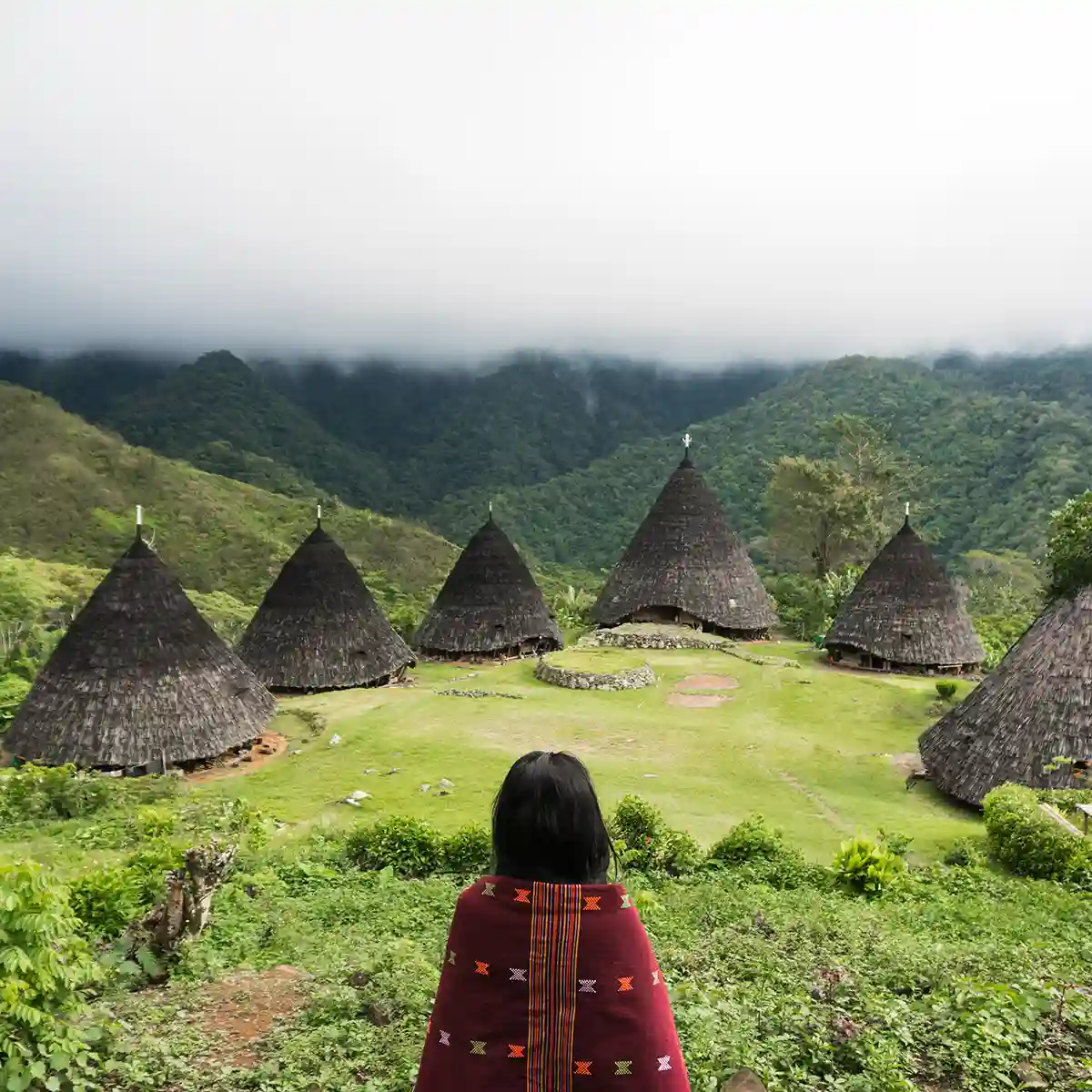
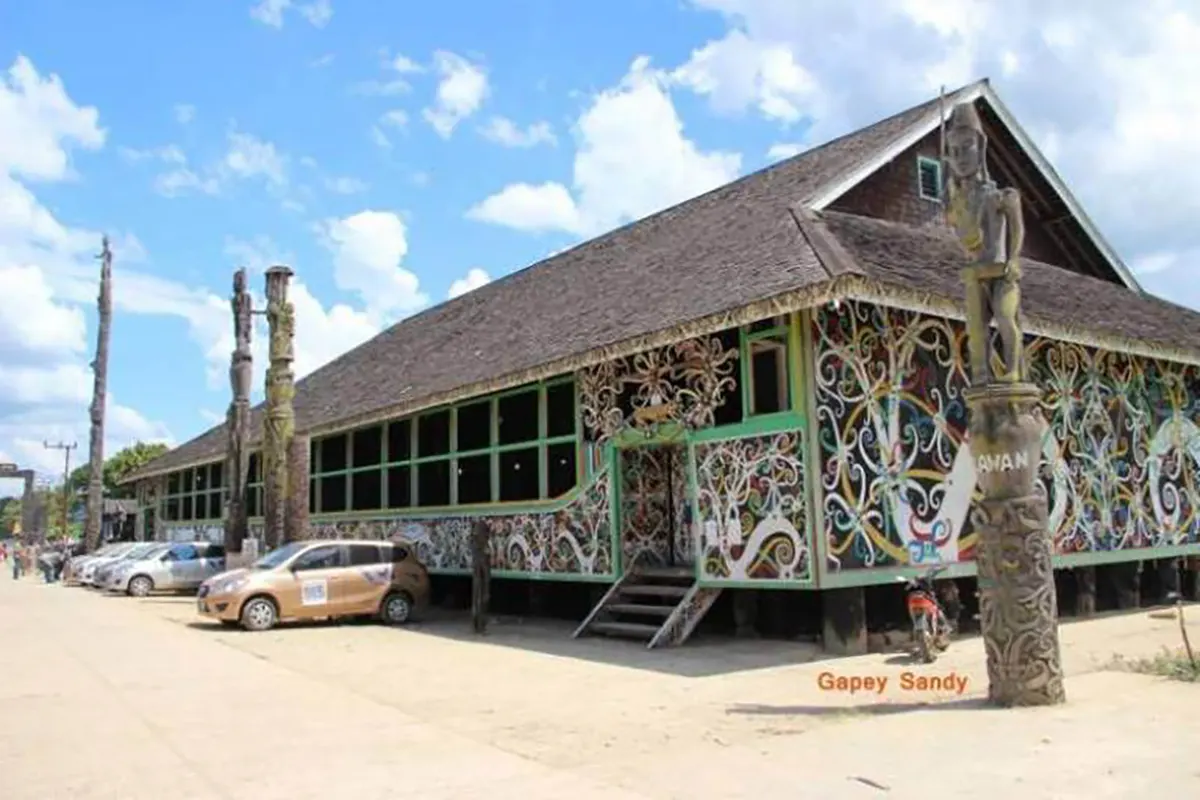
The architectural style of the Dayak culture is prominently seen in the traditional houses of East Kalimantan. These houses are typically large, symbolizing the communal values of the Dayak people. The spacious design allows many people to live together. Additionally, the carvings on the houses serve as protection against negative forces.
Lamin House
East Kalimantan is identical to Lamin houses, originating from the Dayak Kenyah tribe. Lamin houses are stilt houses standing 3 meters high and can accommodate up to 25 to 30 families. A distinctive feature of Lamin houses is the dragon head decoration at the roof’s end, symbolizing heroism and grandeur.
Bulungan House
Another traditional house in East Kalimantan is the Bulungan House. This house blends Malay and Dayak architecture with Dutch East Indies colonial architecture influences. Initially, Bulungan houses were used for significant meetings during the Bulungan Sultanate. These houses are adorned with floral and plant motifs and horn ornaments on the roof, representing East Kalimantan’s cultural patterns, while the bright colors reflect Malay culture.
Traditional Dances of East Kalimantan
Cultural discussions are incomplete without mentioning the arts. One fascinating aspect of East Kalimantan’s culture is its traditional dances. In addition to spacious traditional houses and intricate carvings, East Kalimantan is known for dances like the Hudoq Dance, Giring-Giring Dance, and Mandau Dance.
These dances, originating from the Dayak community, showcase the unique cultural traits of the Dayak people through music, movements, costumes, and vibrant colors.
Hudoq Dance
The Hudoq Dance is notable for its iconic masks and performances. Hudoq masks depict animals considered pests, such as crows, rats, and monkeys, as well as eagles and human figures. The Hudoq Dance symbolizes gratitude and prayers to the divine for abundant harvests.
Mandau Dance
Equally unique is the Mandau Dance, a war dance performed during the reception of special guests, the opening of significant events, or festivals. As the name suggests, the Mandau Dance features a traditional Dayak sword called Mandau. This dance reflects the noble characteristics of the Dayak people, such as their high fighting spirit in upholding dignity and honor.
Baca juga: Complete Guide to a Exploring Derawan with IndonesiaJuara Trip
Explore the Culture & Natural Beauty of East Kalimantan with IndonesiaJuara Trip
After exploring the cultural richness of East Kalimantan, from the unique Lamin and Bulungan traditional houses that are full of philosophy, to various traditional dances such as Tari Hudoq and Tari Mandau that carry deep meanings and strong Dayak identity, we can see that this province is not only visually rich but also rich in values and history. Every cultural detail reflects a way of life that is deeply connected to nature, tradition, and togetherness, making East Kalimantan one of the most authentic and fascinating cultural destinations to explore more deeply.
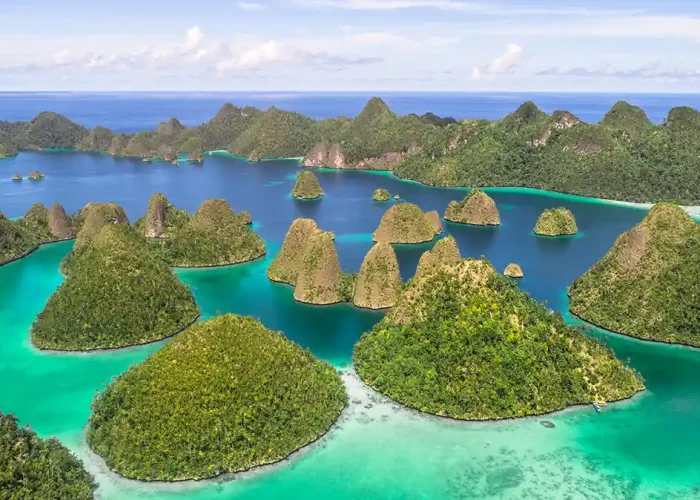
In addition to its cultural wealth, East Kalimantan also holds a natural paradise that is already famous internationally, namely the Derawan Islands with their crystal-clear waters, white sandy beaches, and extraordinary marine biodiversity. You can explore the beauty of Derawan, Maratua, Kakaban, and Sangalaki more comfortably and in a curated way with IndonesiaJuara Trip as your premium travel partner, offering seamless experiences, exclusive itineraries, and professional service. If you’re ready to experience both the cultural and natural beauty of East Kalimantan firsthand, now is the time to contact our team and book a Derawan tour with us for a more unforgettable holiday experience.